Progressive management systems for world-class performances
PEOPLE AND COMPETENCIES AT THE HEART OF LEAN 5.0
Digitalization today offers significant opportunities for improving productivity, transparency, and agility. However, in many organizations, these opportunities remain only partially realized. Despite significant investments in digital tools, measurable improvements in performance often fall short of expectations. The reason is rarely the technology itself, but rather the gap between digital solutions and their effective use in daily operations.
In an environment characterized by rising costs, unstable supply chains, and increasing performance demands, this gap becomes even more critical. Organizations are expected to respond faster, operate more efficiently, and continuously adapt yet without the right capabilities, digitalization alone cannot deliver these outcomes.
This is why INTERNATIONAL LEAN ACADEMY 2026 places people and competencies at the center of Lean 5.0. The focus is not on tools, but on how to build the knowledge, skills, and structure required to translate digital potential into consistent, measurable results. Through practical insights and real case studies, participants will explore how leading organizations successfully connect people, Lean principles, and digital solutions into a unified performance system. The emphasis is on turning strategy into daily execution, improving process stability, and enabling faster, data-drivendecision-making in complex and dynamic environments.
On the second day, participants will take part in Gemba Walk workshops, visiting real production environments and observing how these principles are applied in practice.
The key message is clear: sustainable results are achieved only when competent people, robust processes, and the right digital solutions work together as one system. In practice, digital transformation does not fail because of technology, it fails due to a lack of capabilities, structure, and disciplined execution.
EVENT SCHEDULE | 28 May 2026
08:30 – 09:00
09:00 – 09:10
Event registration
Opening – DEMETRA Lean Way
09:10 – 09:40
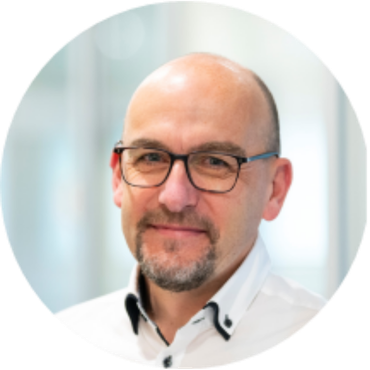
From firefighting to data-driven problem solving Boris Šturm, Polycom Škofja Loka, Slovenia
09:40 – 10:10
Lean in real life and why it’s important to continue Branko Kutin, Hidria, Slovenia
10:10 – 10:40
10:40 – 11:00
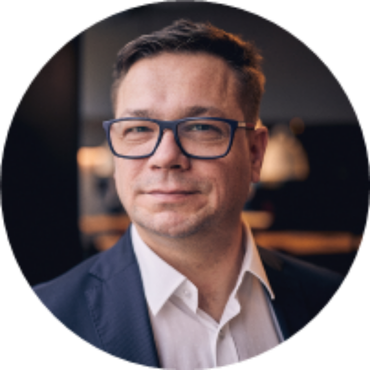
Managing growth in a small-scale brewery with Lean Matej Pelicon, Pivovarna Pelicon, Slovenia
Coffee break & NETWORKING
FOUNDATION: PROCESS & PEOPLE
11:00 – 11:30
11:30 – 12:00
12:00 – 12:30
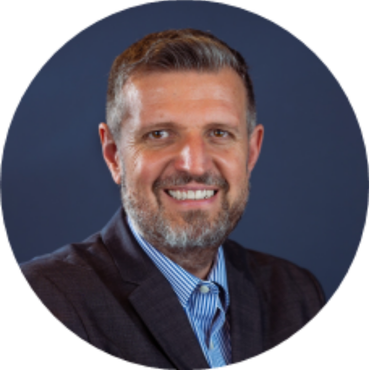
From Industrial Engineering to Digital Lean Execution Miloš Dejanović , Forma Ideale, Serbia
Building capabilities, developing people, digitizing the future Gergely Szabó , Albemarle, Hungary
Why leadership development drives sustainable transformation dr. Marijeta Kobetič , Pisana preslica, Slovenia
12:30 – 13:15
Lunch break
PANEL
13:15 – 14:00
Panel Discussion
AI creates potential. People create value. So why do most companies still fail?
DIGITAL & FUTURE
14:00 – 14:30
Why most transformations fail before they even start Michał Matejczyk , Entra Group, Poljska
14:30 – 15:00
15:00 – 15:15
Artificial intelligence in manufacturing dr. Marko Štefančič, GZS, Slovenia
Prize draw for participants
INTEGRATION
15:15 – 15:45
15:45 – 16:05
16:05 – 16:15
Developing the factory of the future Bojan Šinkovec, DEMETRA Lean Way, Slovenia
LEAN DIGITAL EXCELLENCE AWARD Closing & networking
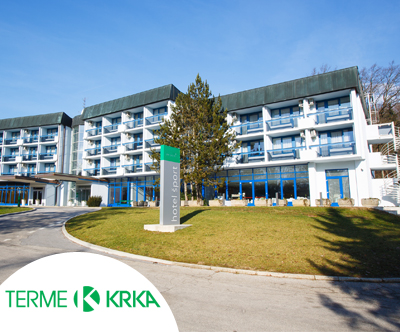
EVENT SCHEDULE | 28 May 2026 | Hotel Šport, Otočec
EVENT STRUCTURE
Day 1 – Conference (28 May, Hotel Šport, Otočec)
A strategic and inspiring conference focused on the key success factors of digital transformation:
• building competencies that enable and amplify the value of digital solutions • understanding the role of leadership in integrating digital tools into daily work • developing organizational readiness for sustainable transformation • identifying opportunities for value creation and performance improvement
Outcome: Clear direction, shared understanding, and focus on what truly drives success in digitalization.
Day 2 – Gemba Walk Workshops (29 May, selected companies)
A hands-on learning day in real production environments, focused on practical application:
• conducting structured Gemba Walk workshops • observing real processes in daily operations • identifying concrete improvement opportunities • understanding how digital tools, data, and competencies support execution • discussing findings and improvement ideas directly on-site
Outcome: Connecting theory with practice and understanding how Lean, people, and digital support work together in reality.
WHAT MAKES THIS EVENT DIFFERENT?
• experienced speakers with real implementation background • practical examples of managing performance in a digital environment • learning through Gemba — directly in companies • exchange of experience with forward-thinking leaders • strong focus on value creation, not just tools
Our continuous improvement approach at Albemarle:
Building capabilities, developing people, digitizing the future
At Albemarle, continuousimprovement is a strategic enabler — helping us deliver better service, greater efficiency, and scalable value across both manufacturing and enterprise functions. Even though a Shared Service Hub works differently than a manufacturing site, Lean principles are universal.
This presentation will show you how a continuous improvement mindset and framework can be applicable in this environment. You’ll gain insight into how we build capabilities, empower our teams, and leverage digital tools to simplify work, eliminate waste, and create a culture where improvement is everyone’s responsibility.
Key Takeaways
What Lean & Six Sigma look like in the service sector
How we develop and support our people on their CI journey
Gergely Szabó is a Lean Six Sigma Black Belt at Albemarle Corporation, where he specializes in driving operational excellence across service centers that support the company’s global chemical operations. With a strong foundation in process improvement across diverse functions including HR, STP, Logistics, Supply Chain and Contract Management, he brings deep expertise in continuous improvement, operational excellence, digital transformation, and cross-functional collaboration. Gergely is passionate about developing people and fostering a culture of continuous improvement and personal growth. He firmly believes that the most critical pillar of a company’s long-term success lies in how it invests in and develops its people.
About the Company
Albemarle leads the world in transforming essential resources into critical ingredients for mobility, energy, connectivity and health. From our strength in lithium, bromine and other specialty chemical solutions, we partner with customers to pioneer new ways to move, power, connect and protect with people and planet in mind. As a values-driven company, we understand it is not enough to build things better, stronger and faster — we have to be cleaner, safer and smarter. Through the world’s most diverse and reliable supply chain, we adapt, manage and utilize the world’s most essential resources to create the greatest value out of every molecule.
Driving operational excellence in production at Hidria:
Lean in real life and why it's important to continue
Every company faces similar challenges when implementing LEAN practices in its operations. Individual projects that bring savings must become continuous efforts towards improvement, changing people’s mindsets, and, above all, cooperation between all employees.
Through the story and our plans for the future, we may show some ideas that you can also tackle in your company.
Key Takeaways
Why LEAN at all?
Our LEAN awakening
Where are we now?
Lessons from the journey and what is really important?
Branko Kutin is the HCI (Hidria Continuous Improvement) Director at the Hidria Corporation. In his more than 30 years of work at Hidria, he has worked in various departments at the Tolmin location. First in quality, then with the establishment of the continuous improvement department, he became its head. After that his path took him to the management of production at the Tolmin location, where he has spent the last 10 years. He is now the Director of Continuous Improvement at the corporation. He is a certified Six Sigma Black Belt.
About the Company
Hidria is a leading Slovenian high-tech corporation, specialized in automotive and industrial technologies. It develops electric motors blades, providing solutions for electric, hybrid vehicles, cold start systems for diesel engines, advanced sensor technology and high-pressure aluminum castings. With seven locations in Slovenia and abroad, it employs around 2,000 people. Hidria is among the world’s leading suppliers of solutions for the automotive industry and makes a significant contribution to the development of energy-efficient and sustainable technologies.
Firefighting is not problem-solving:
From firefighting to data-driven problem solving
This presentation shows how organizations move from reactive firefighting to structured, data-driven problem solving using Lean methodologies (A3, 8D, PDCA) supported by digital tools, systems, and real-time dashboards. It emphasizes the critical role of people building a problem-solving culture, strengthening ownership, and enabling cross-functional collaboration for sustainable, long-term improvements.
Key Takeaways
From reactive firefighting to structured problem solving
Digital enablement: data-driven decisions, transparency, and faster execution
People & culture: ownership, standardized problem-solving, and cross-functional collaboration
Boris Šturm is a Lean Manager at Polycom, where he introduces and implements various Lean tools and methodologies to improve performance, efficiency, and problem-solving capabilities across the organization. He began his career in 2006 at Hidria, where he was first exposed to Lean principles, later advancing into project management roles and building strong experience in manufacturing optimization and team development.https://performance-storyboard.com/lean-academy-speakers-presentation-3/
About the Company
Polycom Škofja Loka d.o.o. is a development and manufacturing company specializing in polymer solutions, toolmaking, and injection molding for demanding industries such as automotive and industrial applications. The company provides end-to-end services from product development and tool design to serial production, assembly, and logistics supported by advanced automation and digitalized production systems.
Digitalizing Chaos? Or Fixing the Foundation First?
Why Most Transformations Fail Before They Even Start
Many digital transformation initiatives in manufacturing fail not because of technology, but because they start in the wrong place. Companies often digitalize unstable or inefficient processes, which leads to automating problems instead of solving them. At the same time, the human side is underestimated: limited digital skills, low readiness, and resistance caused by a lack of understanding of the purpose of digitalization.
This session explains why process maturity and people readiness are the real foundation of successful transformation. It shows how Lean Management and World Class Manufacturing create a stable operational base, while capability-building supports adoption and long-term change. It also highlights the role of a digital transformation roadmap in defining where to start, what to prioritize, and how to connect improvement efforts with the right technologies.
Key Takeaways
Don’t digitalize broken processes
People matter as much as technology
Align process, people, and tech through Lean + roadmap
Interactive Q&A Session
Michał Matejczyk
Entra Group I Poland
About the Speaker
Michał Matejczyk is Vice President and Development Director at Entra Group, with over 20 years of experience in manufacturing, maintenance, Lean Management, and digital transformation. He specializes in combining process improvement, World Class Manufacturing, and people development to deliver sustainable results. He has led transformation projects across Europe and globally, supporting companies in production excellence, organizational change, and digital roadmaps. He is also an experienced speaker and trainer in Lean, Industry 4.0, and digital leadership.
About the Company
Entra Group is a consulting and digital transformation company focused on operational excellence in manufacturing. We help companies improve performance by combining Lean Management, World Class Manufacturing, and data-driven solutions. Our approach integrates process optimization, people development, and digital technologies to deliver sustainable results, based on experience from projects across Europe and globally.
Growth Without Increasing Headcount?
Managing growth in a small-scale brewery with lean
Lean principles are not exclusively reserved for medium- or large-scale corporations. They can be successfully implemented in a small company environment, especially when managing growth with only a handful of dedicated employees.
While World Class Manufacturing(WCM) primarily focuses on optimizing production lines, its rigorous methodology can also be effectively applied to improve distribution efficiency and streamline various administrative processes.
By eliminating waste and standardizing workflows, a small company such as a microbrewery can scale its operations smoothly, ensuring that every batch meets quality standards while the team remains small and agile.
Matej Pelicon is the Head of Production and co-founder of Pivovarna Pelicon, Slovenia’s leading craft brewery. With over a decade of hands-on experience in brewing operations, he oversees the entire production process from raw materials to finished product. Matej drives operational excellence by implementing Lean principles on the shop floor, optimizing workflows, and building a culture of continuous improvement within a small, agile team. His key areas of expertise include production management, process optimization, quality assurance, and people development in a craft manufacturing environment.
About the Company
Pivovarna Pelicon is Slovenia’s top-ranked craft brewery, founded in Ajdovščina with a pioneering spirit built from the ground up as one of the country’s first independent breweries. The company produces a wide range of craft beers and non-alcoholic beverages for the HORECA, retail, and direct-to-consumer markets. Pivovarna Pelicon actively implements Lean manufacturing principles to optimize production, streamline logistics, and maintain consistent product quality while scaling operations. Their journey reflects how small manufacturers can achieve operational excellence through structured processes, team development, and a relentless focus on continuous improvement.
Lean + Leadership
Why Leadership Development Drives Sustainable Transformation
Many Lean transformations fail not because of tools or methods, but because leadership behaviors do not change. Companies improve processes, introduce standards, and implement systems, yet the impact remains limited if leaders are not equipped to guide, engage, and develop their teams.
This session, based on real coaching experiencewith leaders, shows how leadership development creates the conditions for Lean to truly work, highlighting how mindset, daily behaviors, and the ability to lead people are essential to sustain improvements and build a culture of continuous improvement.
Key Takeaways
Lean without leadership = short-term results
Leadership behaviors drive engagement and improvement
Dr. Marijeta Kobetič is a certified coach and consultant with international accreditations from EMCC (EIA Practitioner) and ICF (ACC, ACTC), specializing in leadership development, executive advisory, and supporting organizations in building modern leadership cultures. She delivers individual and team coaching in companies, as well as development programs and workshops focused on strengthening leadership skills and effective management. She holds a PhD in Pedagogy and is a certified Transactional Analyst – Counsellor, and she also lectures at the Faculty of Applied Social Studies.
About the Company
Pisana preslica is an independent coaching and consulting practice led by Dr. Marijeta Kobetič, focused on leadership development and organizational effectiveness. Through coaching and development programs, she supports leaders and teams in strengthening leadership capabilities and building a culture of effective collaboration and continuous improvement.
Integrating People, Processes, and Technology
From Industrial Engineering to Digital Lean Execution
Digital systems for managing audits and improvement suggestions play a critical role in improving production processes, increasing transparency, and enabling continuous improvement. Yet many manufacturing companies still rely on Excel sheets or paper forms, limiting visibility, slowing execution, and reducing employee engagement.
This session presents practical experience in implementing 6S as a foundation of Lean, supported by a digital system for audit tracking and improvement management (Performance Storyboard). It demonstrates how this approach integrates with MTM (Method Time Measurement) to support process standardization and improve productivity.
The focus is on how the combination of digital tools, structured methods, and active employee involvement leads to greater process transparency, clearer responsibilities, and stronger adoption of a continuous improvement culture on the shop floor.
Leading initiatives related to Lean transformation, operational excellence and process optimization. Key areas of expertise include MTM (Method Time Measurement), productivity improvement, Lean implementation, people development, and building sustainable continuous improvement systems in manufacturing organizations.
About the Company
Forma Ideale is a company from Serbia, founded in 1995 and headquartered in Kragujevac. It specializes in the production and sale of panel furniture, including kitchens, wardrobes, cabinets, and living and bedroom furniture. The company is known for its wide range of affordable and functional products, as well as its well-developed network of retail showrooms across Serbia and the Balkan region. In addition, it exports its products to broader European markets.
From Concept to Industrial Application
Artificial Intelligence in Manufacturing
Artificial Intelligence is no longer a question of access to technology, it is a question of organizational capability.
A national study on the use of AI in Slovenian organizations reveals a clear pattern: tools are spreading faster than the ability to use them systematically, safely, and with measurable impact. The real challenge is no longer how to start, but how to move beyond the pilot phase.
The key gaps are not technological, but organizational in governance, accountability, impactmeasurement, and executiondiscipline.
This session addresses a critical question: what differentiates organizations that remain stuck in experimentation from those that develop AI into a true organizationalcapability?
Key Takeaways
ArtificialIntelligence is no longer a technological challenge, the real question is whether organizations can implement it safely, systematically, and with real business impact
The main barriers are not tools, but gaps in governance, accountability, performancemeasurement, and executioncapability
Moving from pilots to organizational maturity requires a shift — from technology enthusiasm to clear priorities, competencies, standards, and disciplined execution
Interactive Q&A Session
dr. Marko Štefančič
GZS | Slovenia
About the Speaker
Marko Štefančič, MBA, is the Director of the Slovenian AI Competence Center (KCUI). He brings over 30 years of experience in the IT industry, including leadership roles at Gartner in Slovenia and Central Asia, with a focus on technology strategy, digital transformation, and the development of consulting initiatives.
He works closely with both industry and the public sector on the practical implementation of Artificial Intelligence, including governance, capabilitydevelopment, and building an ecosystem for trusted, competitive, and responsible AI adoption.
About the Slovenian AI Competence Center (KCUI)
The Slovenian AI Competence Center (KCUI) serves as the national entry point for Artificial Intelligence and a central support mechanism for its responsible, safe, and effective adoption in Slovenia.
It connects ten leading organizations and brings together expertise in training, consulting, and implementationsupport, helping organizations successfully integrate AI into practice.
Lean starts with maturity, not software:
DEVELOPING THE FACTORY OF THE FUTURE
Many digital transformation initiatives fail to deliver expected results — not because of technology, but because they start in the wrong place. Digitalization is too often treated as a software project, while the real foundations lie in people, their capabilities, and process stability. When these elements are not in place, organizations risk creating “digitalized inefficiencies” instead of real improvements.
In this session, Bojan Šinkovec presents a different approach to digital transformation one that starts with Lean maturity, not technology. Through a real example of a Lean 5.0 model factory, he will demonstrate how to objectively assess the current level of operational excellence and digital readiness, identify key gaps, and define the right next steps toward a higher level of maturity.
The session will show how a structured maturity assessment creates clarity and enables a focused, realistic, and sustainable transformation path.
Key Takeaways
Digitalization without maturity = digitalized chaos
Bojan Šinkovec is the founder and CEO of DEMETRA Lean Way, with over 25 years of experience in industrial operations, Lean transformation, and digitalization of continuous improvement systems.
He is the creator of PERFORMANCE STORYBOARD®, a Lean 4.0 platform used in over 16 countries, supporting organizations in connecting daily management, problem solving, and performance monitoring into one integrated system. His work focuses on bridging Lean principles, people development, and digital solutions to achieve sustainable results.
About the Slovenian AI Competence Center (KCUI)
DEMETRA Lean Way is a consulting and software company specialized in Lean management and digital operational excellence.
We help organizations build structured systems for performance management, problem solving, and continuous improvement by combining Lean methodologies, people development, and digital solutions.
With the PERFORMANCE STORYBOARD® platform, organizations transform daily activities into measurable results and establish a scalable foundation for Lean 4.0 transformation.
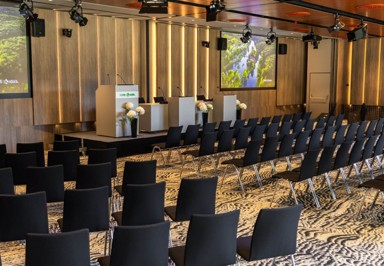
Where will the conference day of LEAN ACADEMY 2026 take place?
Take the best advantage
Integrated Strategy Management: Integrate strategic planning with daily operations to ensure cohesive execution of long-term goals and align activities with business strategies.
Goal Setting and Performance Tracking: Define and track strategic objectives and Key Performance Indicators (KPIs) to measure progress and ensure alignment with organizational goals.
Real-Time Data and Analytics: Utilize advanced analytics for insights into performance metrics and operational efficiency. Present real-time data to management for swift, informed decisions.
Continuous Improvement Culture: Foster a culture of continuous improvement with PMB’s structured approach, promoting regular feedback, accountability, and proactive problem-solving.
Hands-on workshop focused on real processes and practical improvements.
Content: Gemba walk, process observation, challenge definition, solution development and presentation. Award for the best improvement idea.
Group size: up to 12 participants
Time slots: 08:00 – 11:00 → First group 12:00 – 15:00 → Second group
Registration & selection: Participants can choose location and time based on registration order. Registrations are open until all available spots are filled – early booking is recommended.
Arrival: Individual arrival. Please arrive at least 15 minutes before the start.
SOME MEMORIES FROM LEAN ACADEMY
PARTICIPATION FEE
Price for participation in the event: € 370 per person
Price for early bird registrations until April 30: € 290 per person