Many companies implement Lean, but the expected results often fail to materialize. Where does the problem most commonly arise?
Lean fails when it is introduced as a project rather than as a way of thinking. Companies often expect quick results while overlooking the fact that Lean must be understood and practiced by everyone — not only by Lean departments or specialists.
Lean requires a change in behavior, not just the implementation of tools.
If that mindset shift does not happen, the results simply do not follow.
Why is it so difficult in practice to move from plans to real actions?
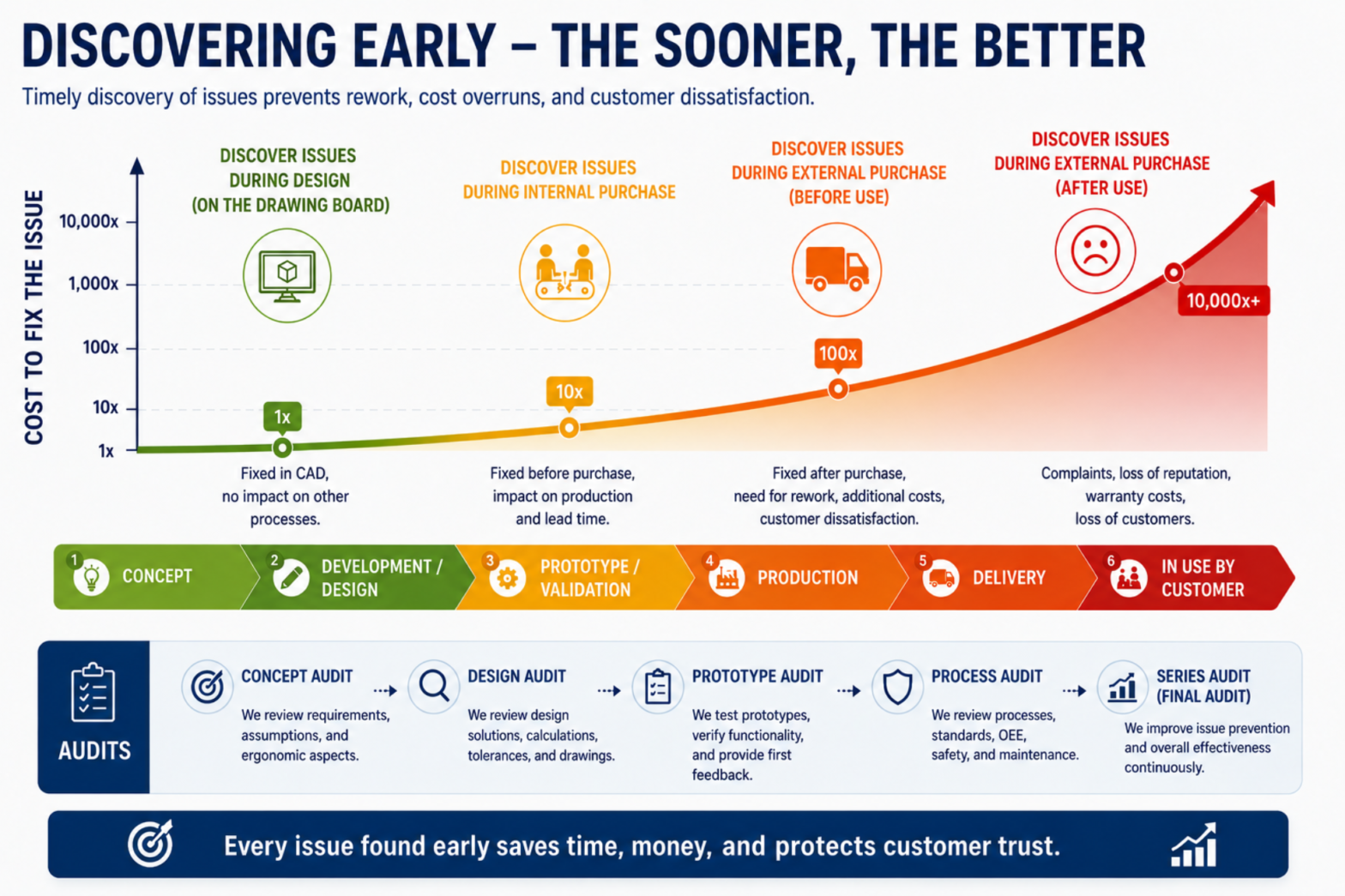
On paper, everything looks good — audits are completed, problems are identified.
But afterward, delays begin. Responsibilities get shifted, priorities change, action statuses are postponed, and over time they become increasingly difficult to track. Very quickly, everything gets lost.
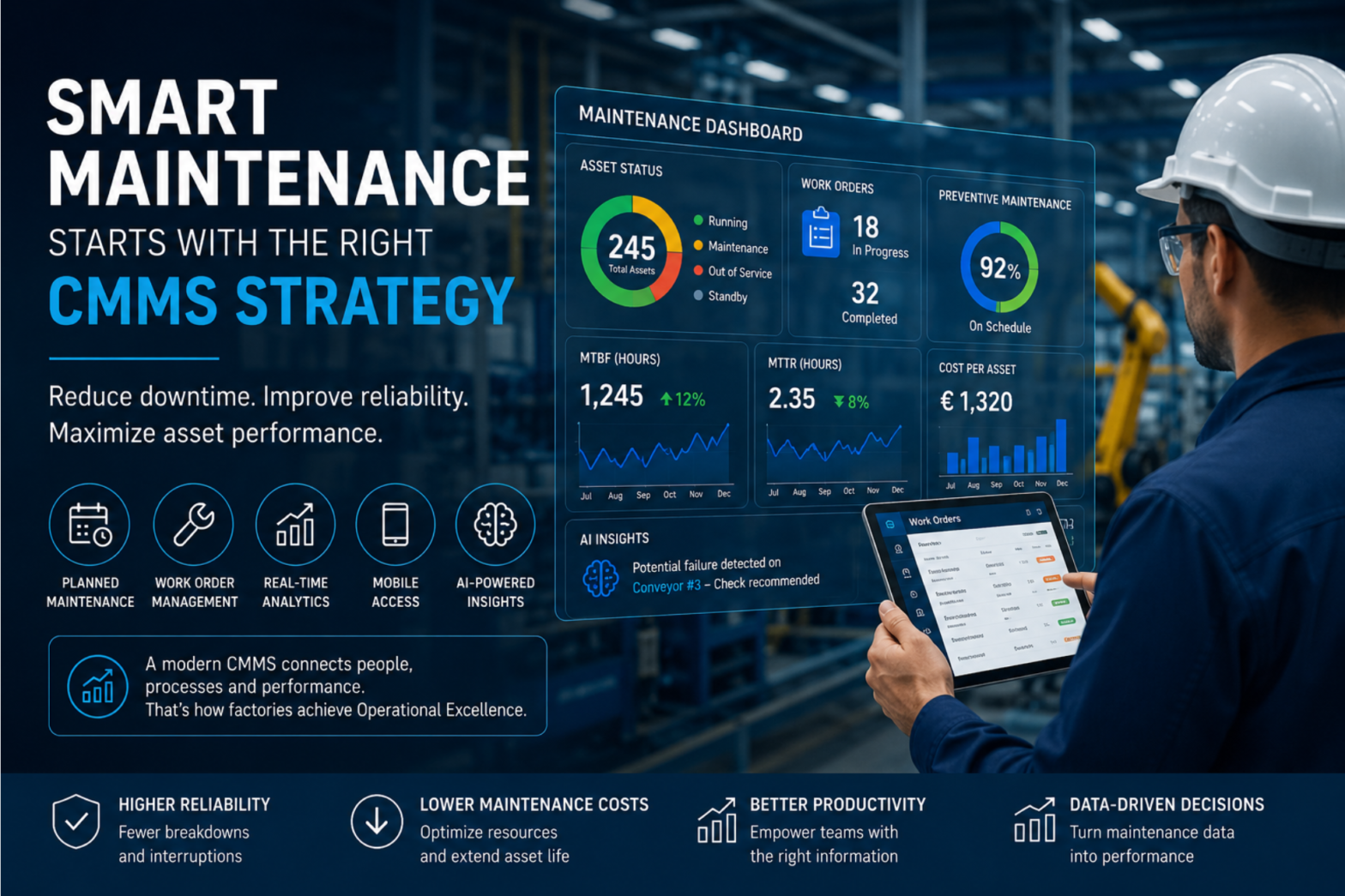
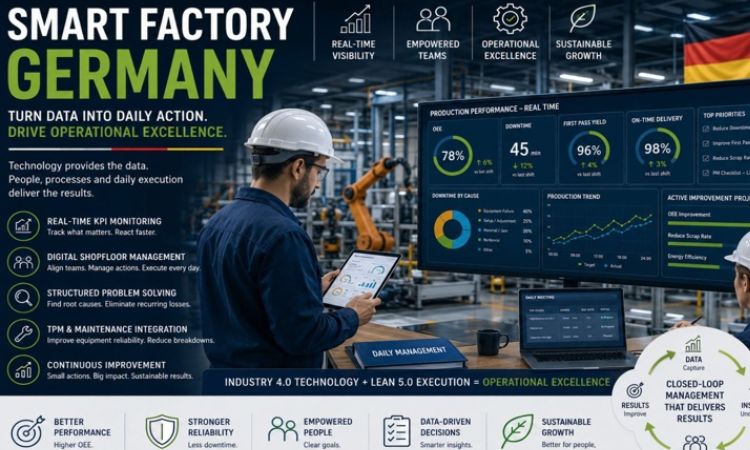
The digitalization of audits that we are implementing at Forma Ideale changes this paradigm. Actions become transparent, they are generated immediately when a deviation is detected, and they always remain “alive” within the system.
How can companies ensure that improvements do not remain short-term initiatives, but become part of everyday work?
By making them visible and measurable every single day. Sustainability comes through visibility.
When audits are digitalized, you effectively “illuminate” the process. Lean stops being something you do “when there is time” and becomes part of the daily operational routine because the system itself reminds, measures, and reports.
How difficult is it to change the mindset and working habits of people within an organization?
This is undoubtedly one of the key questions for everyone practicing — or trying to practice — Lean in daily operations. It is the core of the Lean 4.0 transformation.
People are afraid of digitalization when they see it as a system for monitoring and controlling efficiency.
At Forma Ideale, our approach is different: digital tools are there to support employee competencies.
The challenge exists until people recognize the benefit. People change when they have a clear system, transparent information, and a sense of ownership and responsibility.
The moment they realize that a digital system helps them solve problems on the production line faster, the mindset shifts from resistance to collaboration.
Can you share a concrete example where the right approach delivered visible results?
One of the best examples is the transformation of our LPA (Layered Process Audit) system within the factory.
Previously, we used paper-based checklists that often ended up as “completed forms” stored in binders without leading to real action. Engineers spent too much time processing data, while reports lacked visibility across the organization.
We introduced a digital system where audits are performed directly on the production line using tablets.
The result?
The speed of closing corrective actions tripled.
The moment a deviation is detected, the system automatically generates a task for the responsible person together with a photo of the issue. There are no more “forgotten” failures or misunderstandings between colleagues.
Most importantly, trust in the data increased dramatically.
Today, during morning meetings, we no longer spend ten minutes trying to understand what happened. We move immediately to discussing how to solve it.
That is the transition from passive observation to active process management supported by digitalization.
What are the most common mistakes companies make when implementing Lean or improvement initiatives?
The biggest mistake — one we also experienced ourselves — is introducing Lean purely as a top-down directive that eventually gets stuck at middle management level.
When Lean is driven only from the top, operational teams perceive it as additional pressure and control, which creates resistance and weak collaboration.
We completely reversed that strategy by adopting a bottom-up approach.
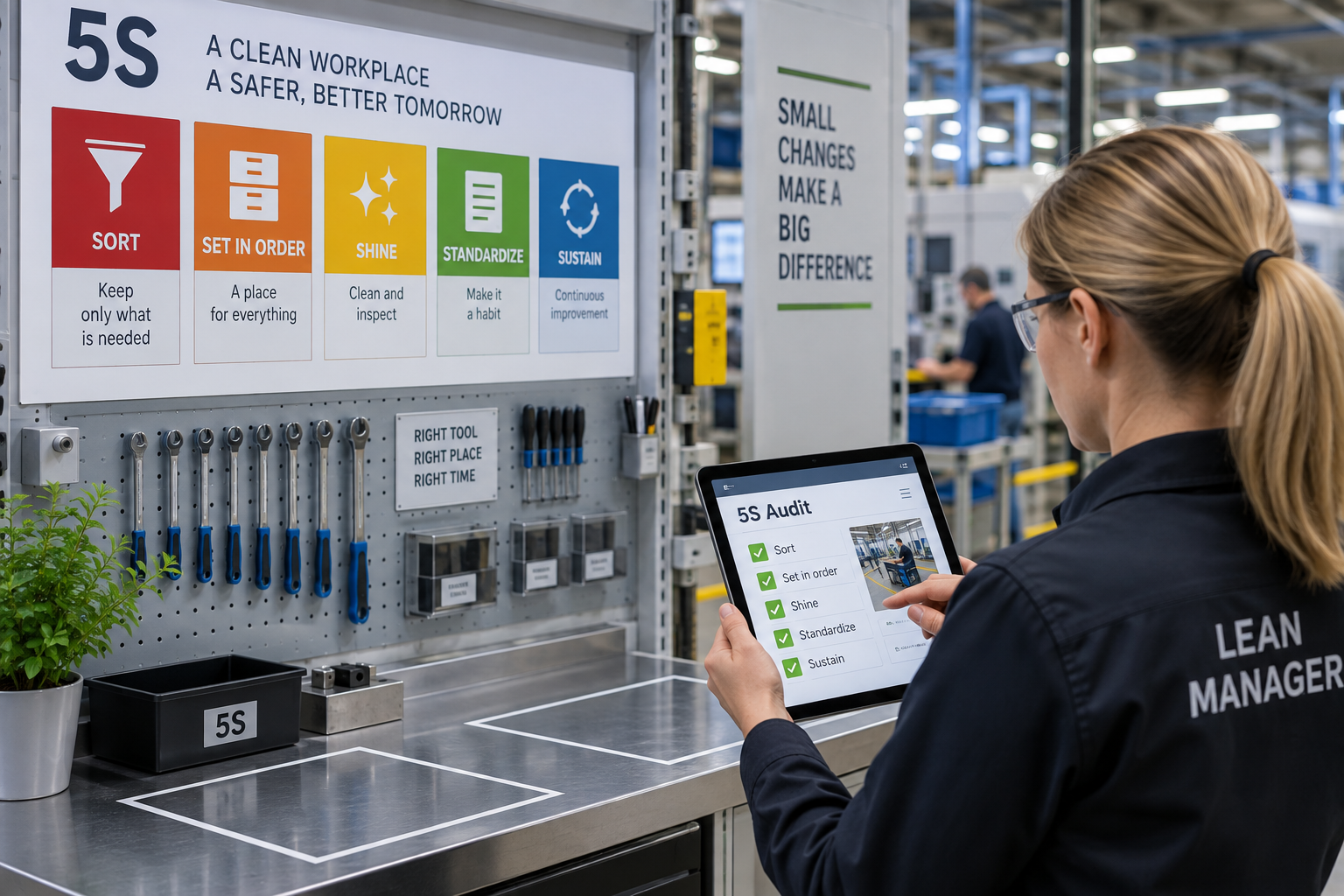
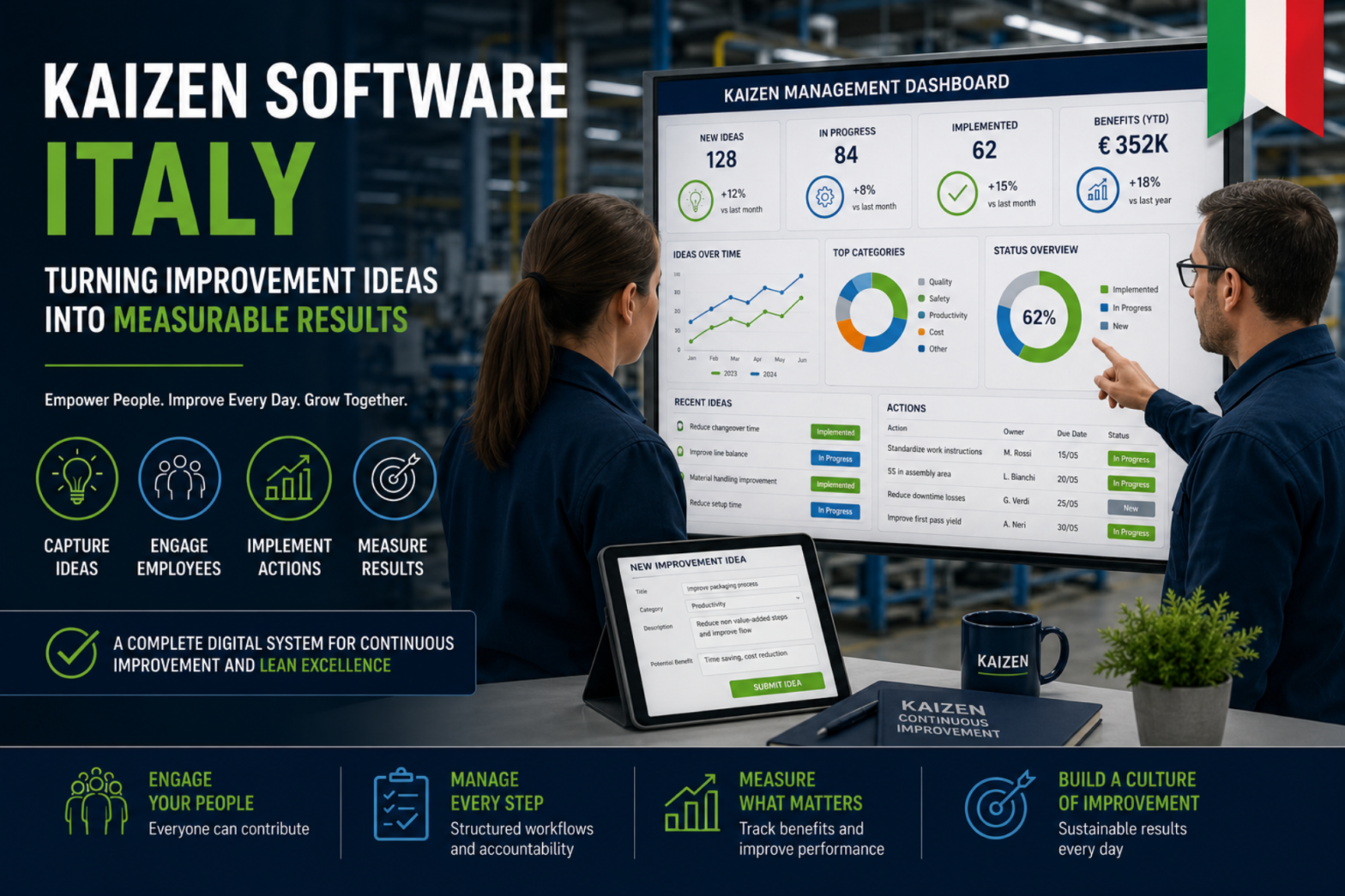
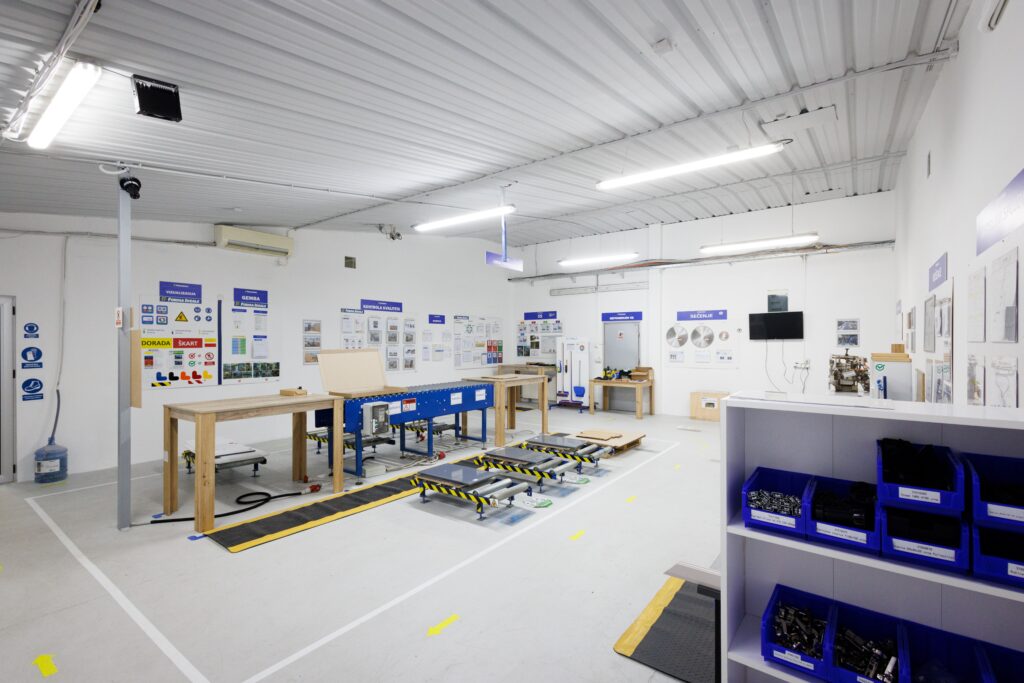
Instead of forcing change from above, we started from the foundation — through our Lean Workshop initiative. We first trained operational teams on 5S principles, audit execution, and how to submit improvement suggestions through practical workshops.
Only when the people who directly create value understood why we were doing this and felt that their opinions mattered did we begin scaling the system upward.
As a result, when Lean reaches the shopfloor, it no longer arrives as an enemy, but as an agreed standard that everyone is already prepared for.
The digitalization of audits, which I will also discuss in Slovenia, is simply the logical continuation of that journey — we digitalized a process that people already trusted because they had been involved in it from day one.
What is one thing companies can immediately start doing differently?
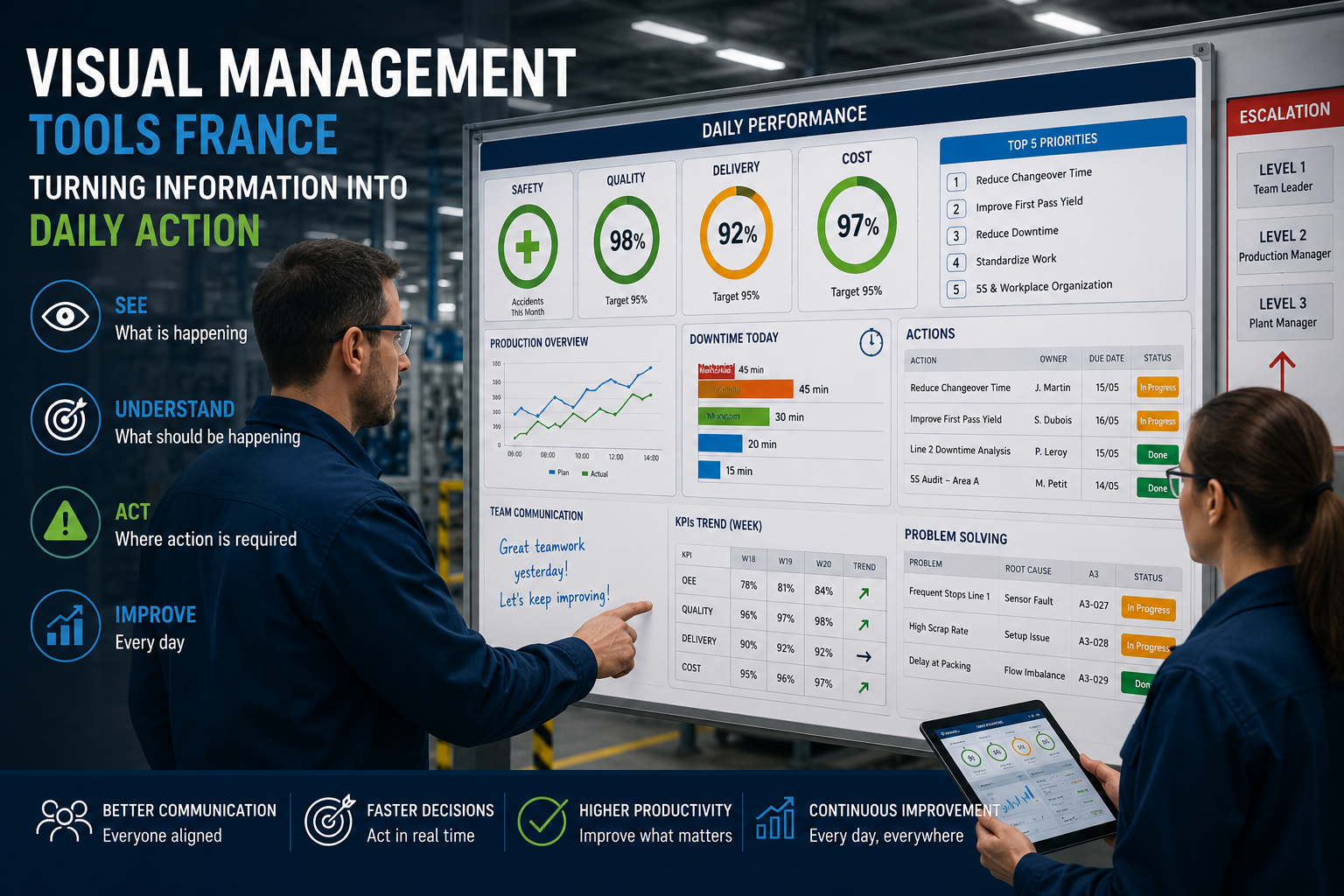
Stop hiding data and start visualizing it.
Whether it is a paper-based Shopfloor Management board or a digital dashboard, transparency is the first step toward trust.
People must stop thinking that problems belong to “someone else.” Problems belong to all of us, and they must be visible in order to be solved — not hidden or used for blame.
We cannot improve what we cannot see.
What can participants expect from your presentation at LEAN AKADEMIJA 2026?
Expect a practical roadmap showing how to move from “paper overload” to “digital precision.”
I will share real examples from Forma Ideale — lessons we learned, mistakes we made, and how we used digitalization to strengthen accountability and leadership at every level of the organization.
Do companies lose more because of poor strategy or poor execution?
These two are inseparably connected.
A poor strategy is like using the wrong map — no matter how fast or disciplined the execution team is, they will simply reach the wrong destination faster.
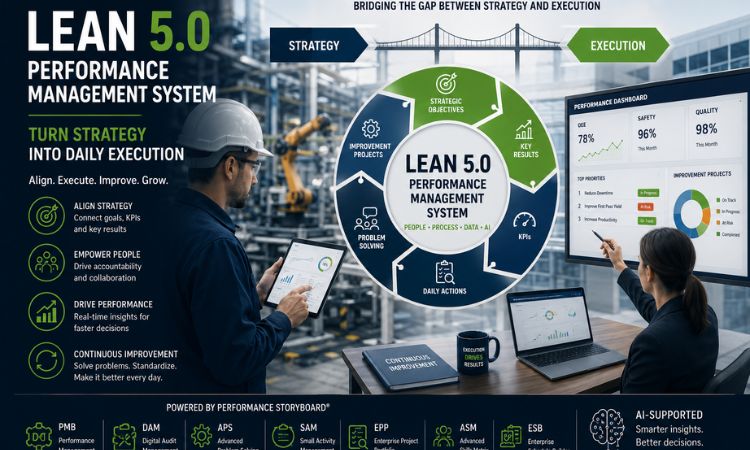
On the other hand, execution often becomes disconnected from strategic direction because there is no “bridge” connecting the two.
At Forma Ideale, that bridge is created through digital audits and trained operational teams.
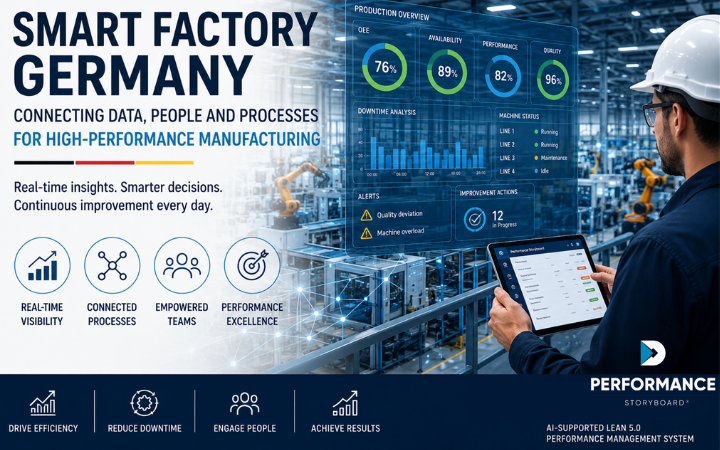
They allow us to see in real time whether execution on the shopfloor is aligned with the strategic direction defined by management.
Companies lose the most in this vacuum — when management believes one strategy is being executed, while real shopfloor data (often hidden in paper documents) tells a completely different story.
In the end, the biggest loss comes from a lack of transparency. Without transparency, you cannot know whether execution is truly supporting your strategy — or working against it.