Your plant closes 8D reports every week.
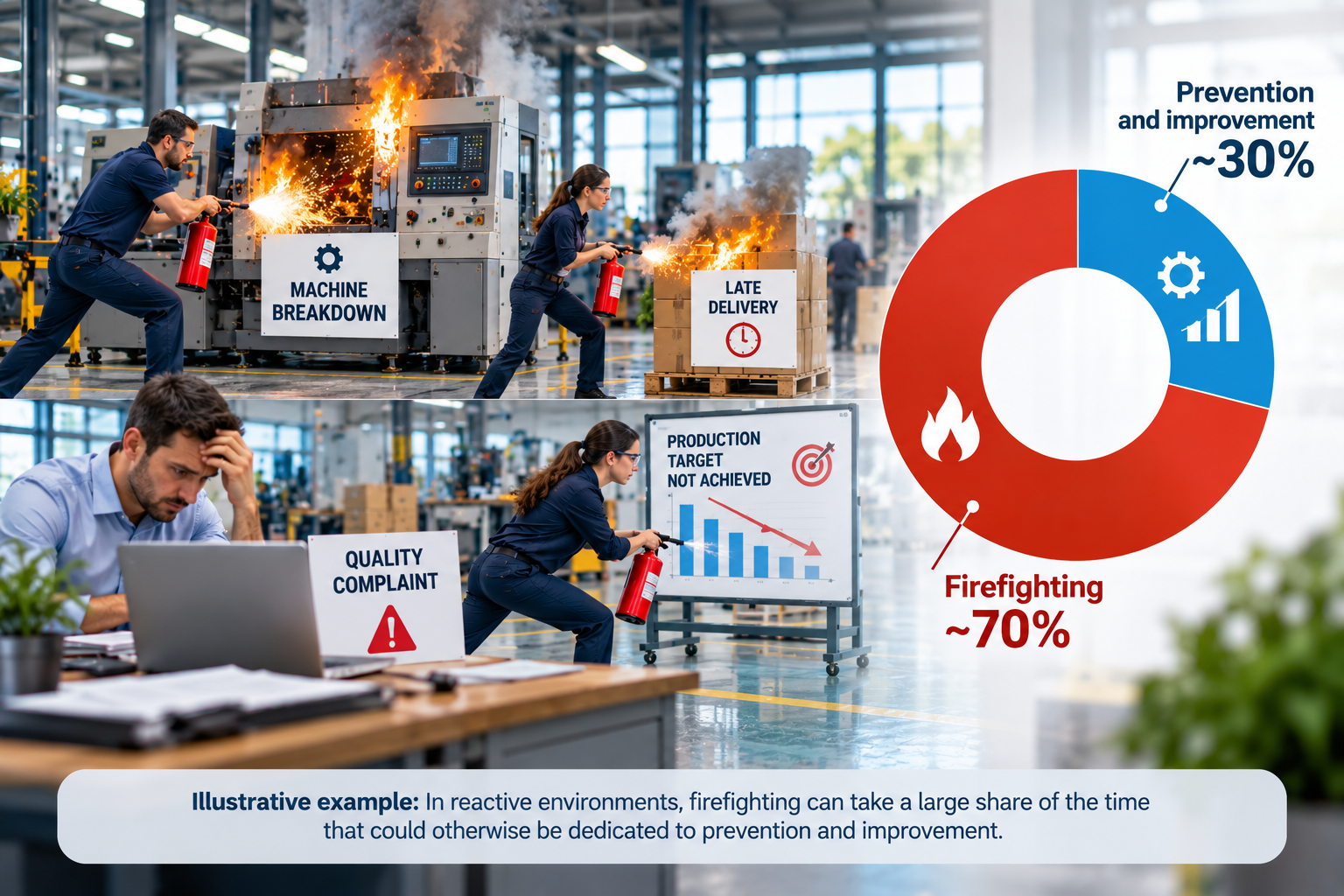
Yet the same defects return.
The same downtime reappears.
The same containment actions resurface in the next escalation.
The problem isn’t competence.
It’s structure.
In many U.S. manufacturing environments, 8D runs as documentation, not as part of a Lean Management System. Reports are completed. Corrective actions are logged. But daily performance doesn’t fundamentally change.
That gap is exactly where Performance Storyboard® operates.
Instead of isolating 8D inside quality documentation, it embeds structured problem-solving into daily KPI review, TPM routines, and leadership execution.
Why 8D Alone Is Not Enough
The Eight Disciplines methodology is powerful. It creates structure, forces root cause thinking, and formalizes corrective actions.
But effectiveness depends on what happens after the report is closed.
If corrective actions are not:
- connected to KPIs
- reinforced in daily management
- aligned with TPM activities
- verified through follow-up
then recurrence becomes likely.
8D becomes reactive instead of preventive.
From 8D Tool to Lean Management System
The real shift happens when 8D is embedded inside a system that drives execution every day.
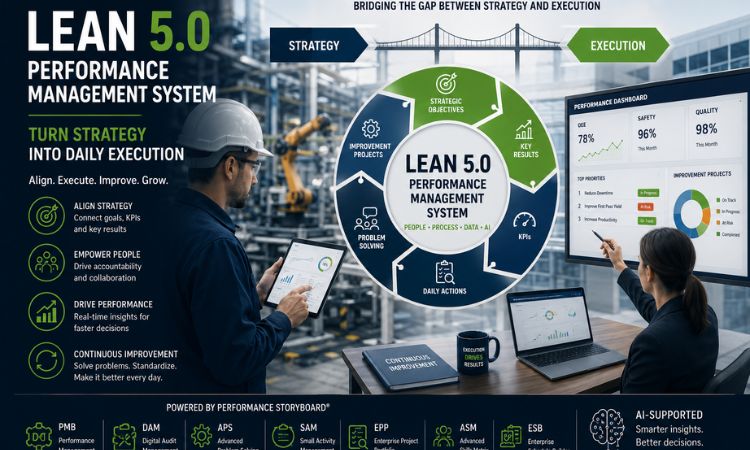
Performance Storyboard® connects:
- KPI deviations
- Daily Management routines
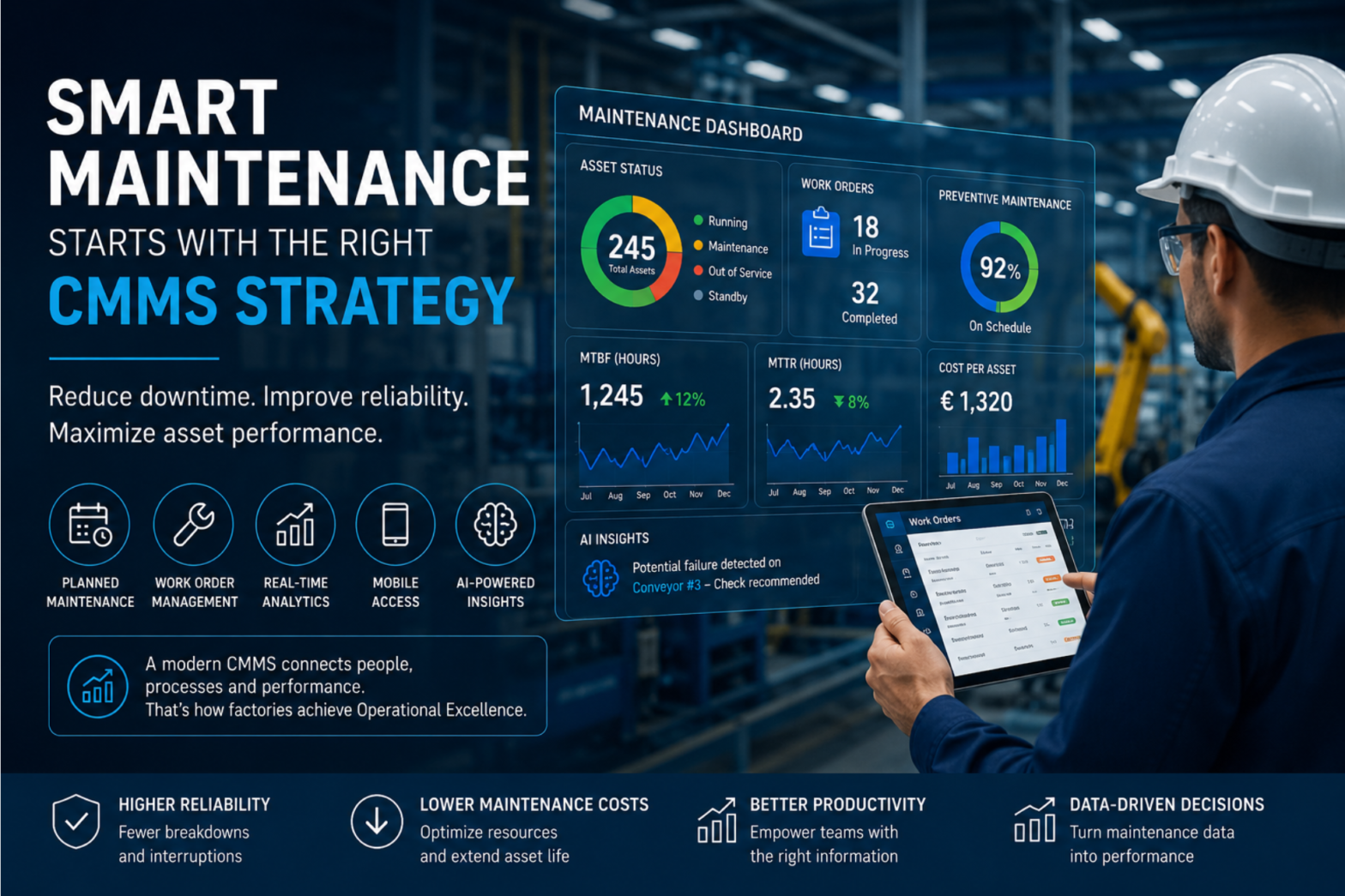
- TPM (Total Productive Maintenance)
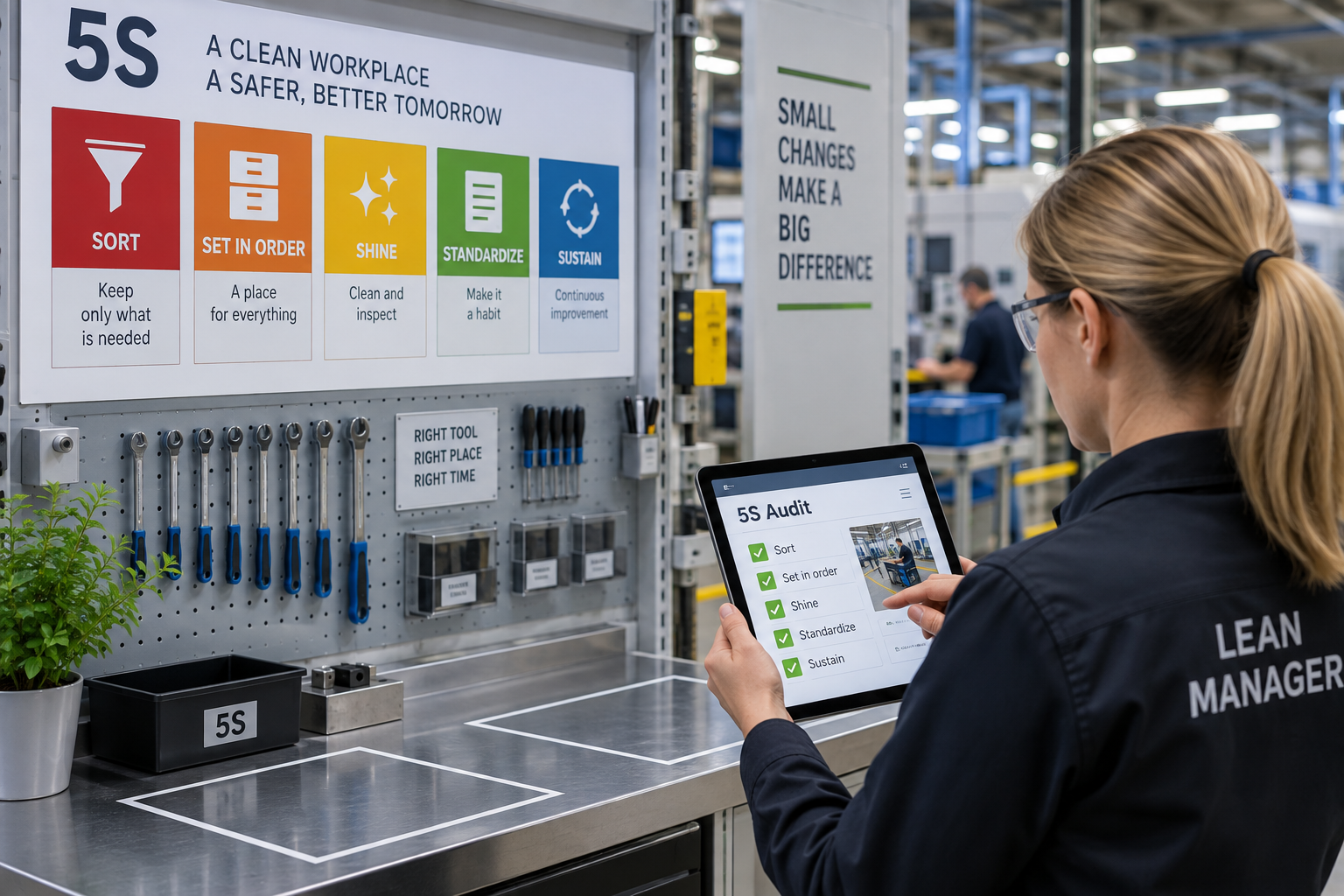
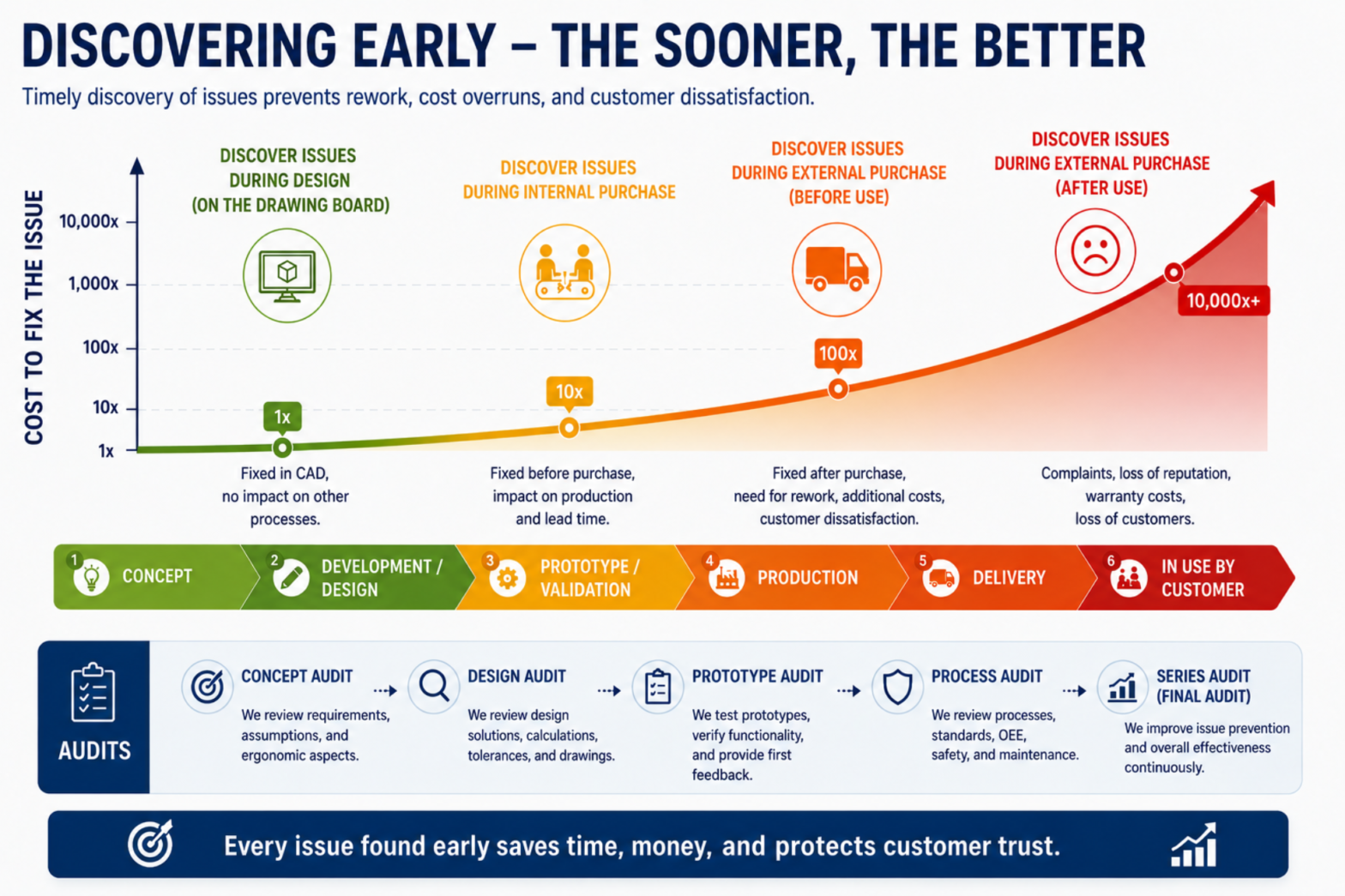
- Digital audits
- Structured problem-solving (APS)
This creates a closed performance loop.
When a KPI turns red, action is triggered.
When a root cause is identified, ownership is assigned.
When a corrective action is implemented, sustainability is verified.
Problem-solving becomes operational discipline.
APS – Advanced Problem Solving: Modular by Design
At the center of this structure is APS – Advanced Problem Solving.
APS supports 8D, A3, 5 Whys, PDCA, and company-specific methodologies — but its real strength lies in modularity.
Every organization solves problems slightly differently.
APS allows companies to configure the workflow to match their existing standards.
That means:
- Steps can be adapted
- Approval logic can reflect corporate structure
- Documentation can follow internal templates
- Escalation can mirror real operational flow
Digitalization strengthens what already works.
Companies do not adapt to the system.
The system adapts to the company.

AI Supports Structure — It Doesn’t Replace It
AI inside APS helps detect recurring patterns, data correlations, and historical trends.
But structure remains central.
Root cause validation, corrective actions, ownership, and follow-up stay embedded in daily management routines.
Technology accelerates insight.
Discipline ensures sustainability.
8D vs. Lean Management System
For clarity — here is the structural difference:
| 8D Software | Lean Management System (with APS) |
| Case-based problem resolution | KPI-driven performance control |
| Reactive after issue occurs | Embedded in daily execution |
| Focus on closing reports | Focus on changing performance |
| Quality-owned workflow | Leadership-owned discipline |
| Standalone corrective action tracking | Integrated TPM, KPI, and audit linkage |
The difference is not methodology.
It is integration.
Why This Matters in U.S. Manufacturing
In today’s U.S. environment — with tight margins, customer pressure, and audit exposure — recurring problems carry real cost:
- Downtime losses
- OEE reduction
- Customer penalties
- Warranty exposure
- Reputational risk
A structured system that connects root cause analysis with daily performance management reduces not only recurrence, but also operational instability.
Conclusion
8D problem-solving software is widely available in the United States.
What is rare is a system that ensures corrective actions truly change performance.
By embedding APS – Advanced Problem Solving inside a modular Lean Management System, Performance Storyboard turns structured problem-solving into measurable operational improvement.
Not just closed reports.
But sustained performance.