In many companies, 5S is one of the first Lean methods to be implemented. Workplaces are organized, standards are defined, and regular audits are introduced. But then comes the more difficult part: how do you make sure that, after a few months, 5S does not become just another checklist and a race for the highest possible score?
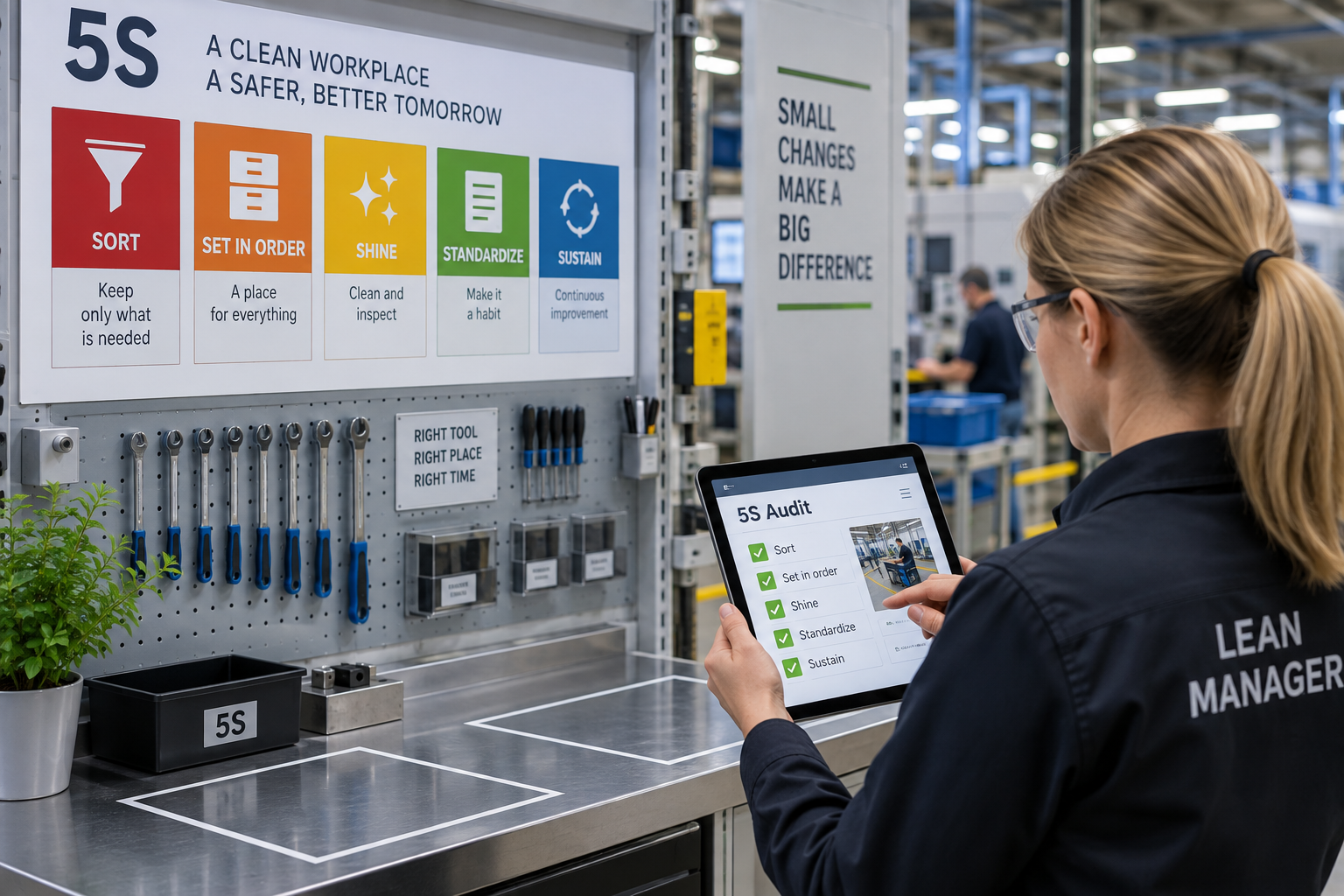
5S is one of the fundamental Lean management methods for creating an organized, safe, and efficient workplace. It is based on five steps: Sort, Set in Order, Shine, Standardize, and Sustain.
An organized workplace is a basic prerequisite for efficient and high-quality work. Poor organization leads to unnecessary searching, movement, and waiting, while also increasing the risk of quality issues, injuries, material mix-ups, and other deviations.
And 5S is not limited to tools, materials, machines, or production workstations. The same principles can be applied to office work, documentation, information flows, digital environments, and processes. The underlying question is always similar: do we have the right things and the right information, in the right place, at the right time, and organized in a way that supports efficient work?
Implementing 5S Is Easier Than Sustaining It
The basic concept of 5S is relatively simple. The greater challenge is ensuring that agreed standards become part of everyday work and that the organization continues to improve over time.
The initial workplace organization can usually be completed relatively quickly. But if standards are not regularly reviewed, old habits can gradually return, deviations can become accepted as normal, and 5S can begin to lose its original purpose.
This is why regular 5S audits are an important part of the system.
A 5S audit is a structured review of a workplace or process used to assess the current condition against agreed criteria and standards and to identify opportunities for further improvement.
The Goal of a 5S Audit Is Not the Highest Score
When conducting an audit, it is easy to focus primarily on the result:
“What percentage did we achieve?”
But a high score alone does not mean that the 5S system is working effectively.
Much more important questions are: Where are we deviating from the standard? Why are these deviations occurring? What risks have we identified? What can we improve? What actions have we defined, and have they actually been completed?
This is where the real value of a 5S audit lies.
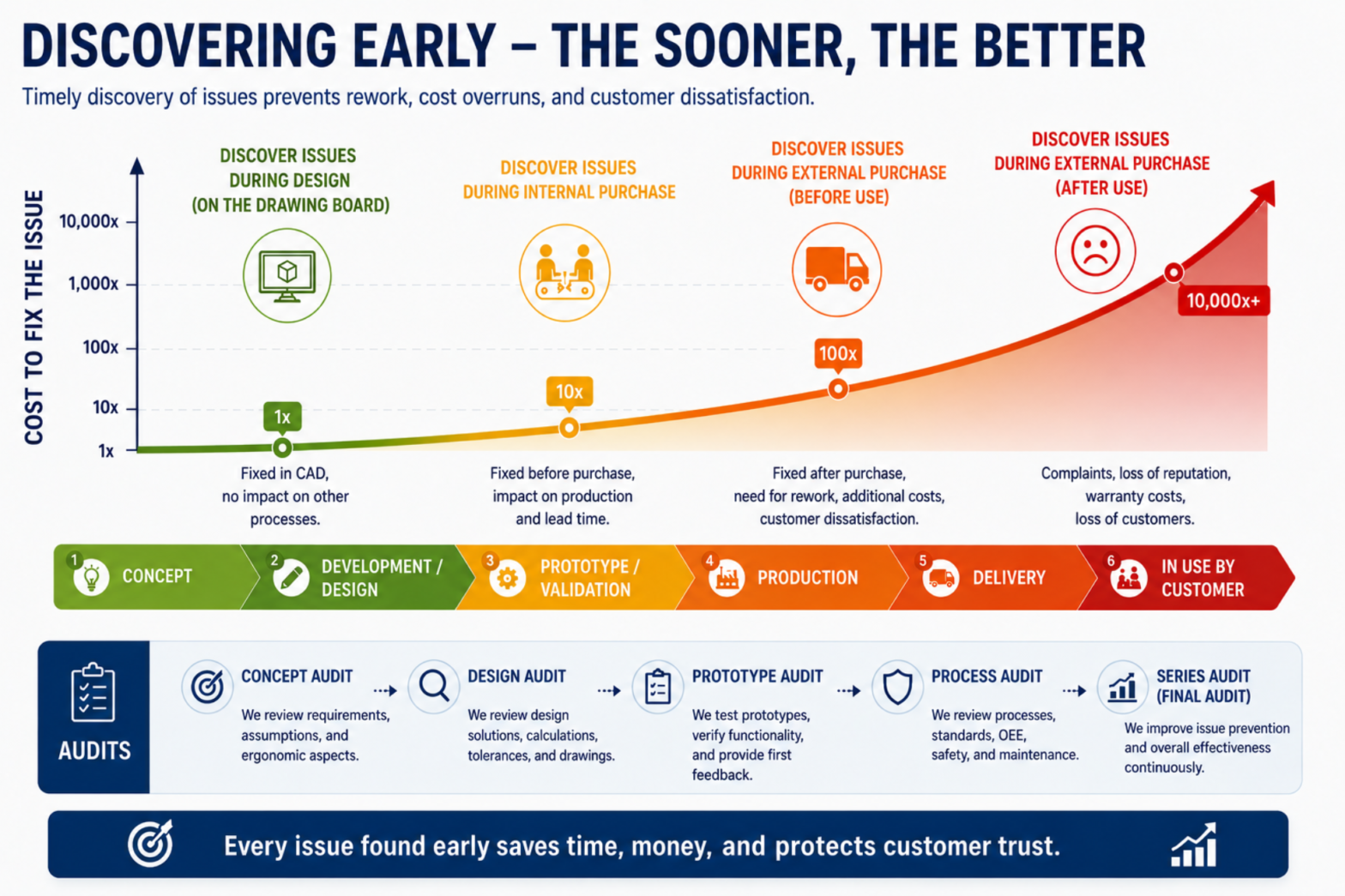
The value of an audit is not measured by the number of audits completed or the points achieved, but by the preventive and improvement actions that are actually implemented as a result.
An audit that identifies ten deviations but leads to no action creates significantly less value than an audit that identifies a few important improvement opportunities and actually addresses them.
5 Rules for an Effective 5S Audit
1. Assess Against Clear and Understandable Criteria
Audit questions should be specific enough for the auditor to understand exactly what is being checked and what constitutes a deviation from the agreed standard.
If the criteria are unclear, audit results will not be consistent or comparable across different auditors and audit rounds.
2. Do Not Just Look for Problems – Look for Risks and Improvement Opportunities
A good auditor does more than check whether everything is in its designated place. They observe the process, ask questions, and consider what could lead to waste, errors, safety risks, or inefficiency.
3. Document the Actual Condition
Support audit findings with comments, photos, or other evidence. This way, the audit result is not just a number but useful information that can lead to action.
4. Turn Findings Into Actions
For significant deviations, define the required action, assign responsibility, and set a deadline.
Without this step, an audit often ends with identifying a problem rather than solving it.
5. Follow Up on Implementation and Effectiveness
The process does not end when the audit is completed. We need to verify whether the agreed actions have actually been implemented and whether they have delivered the expected improvement.
An audit is only complete when a finding has been turned into an improvement and its effectiveness has been verified.
The Quality of the Audit Matters Too
If a company conducts dozens or even hundreds of audits, another important question arises: how do we know that the audits themselves are being performed effectively?
Differences between auditors can be significant. One auditor may consider a certain condition acceptable, while another may identify an important deviation in exactly the same situation. Some auditors are skilled at recognizing risks and improvement opportunities, while others focus primarily on completing the checklist.
This is why it is not enough to monitor audit scores alone. Companies should also pay attention to the quality of audit execution and the competence of their auditors.
If the same deviations repeatedly appear in a particular area, if audits do not lead to actions, or if results vary significantly between auditors, this may indicate a need for additional training, clearer criteria, or improvements to the audit process itself.
Do We Need the Same 5S Audit at Every Stage?
Not necessarily. The purpose of the audit should reflect the maturity of the 5S system.
During the implementation phase, audits can be used to monitor progress through the individual 5S steps – from Sort and Set in Order to Standardize and the establishment of a system for long-term Sustain.
Once the system is established, the purpose of the audit changes. In the sustain phase, the focus is primarily on whether agreed standards are being followed, where deviations occur, and what new improvement opportunities can be identified.
In this way, the audit becomes more than a check of the current condition. It becomes part of the continuous improvement process.
From a Paper Checklist to a Managed Process
When the number of audits is small, paper forms or spreadsheets may still work. But as the number of workplaces, departments, auditors, and locations grows, the process becomes increasingly difficult to manage.
At that point, knowing the audit score is no longer enough. We need visibility into whether planned audits were completed, which deviations and risks occur most frequently, what actions were defined and who is responsible for them, which actions are overdue, and whether individual areas are actually improving over time.
This is where digitalization can create significant value.
Not because a screen is better than a piece of paper, but because the entire process – from identifying a deviation to completing the resulting action – can be managed in one place.
How Can DAM Help?
DAM – Daily Audit Management, part of the Performance Storyboard® platform, enables companies to conduct 5S audits digitally and manage the entire audit process systematically.
The complete process can be managed in one place – from audit planning and execution to documenting findings, assigning actions, and monitoring their completion.
For 5S, DAM includes questionnaires designed to support the individual stages of implementation, as well as a standard 5S audit questionnaire that can be used for regular audits once the system is established.
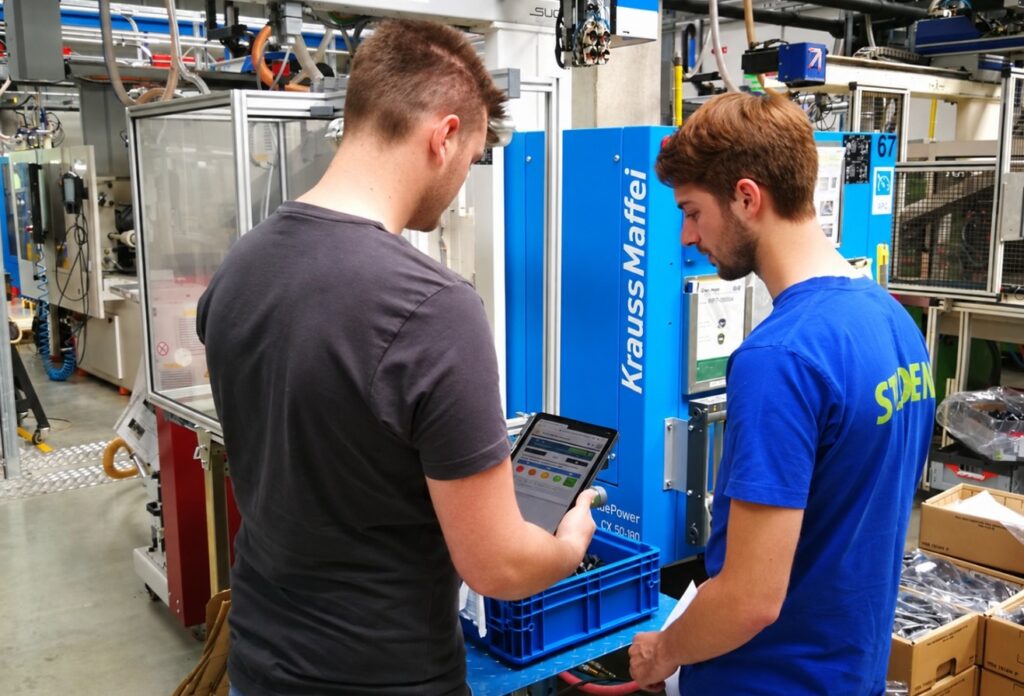
Auditors can conduct an audit directly at the workplace, add comments and photos to their findings, and initiate the required actions when a deviation is identified. Results can then be monitored over time and analyzed by area, organizational unit, or other relevant criteria.
This provides much better visibility into the entire process – not only what score we achieved, but more importantly what we identified, what we did about it, and whether the situation is improving.
The Real Result of a 5S Audit Is Improvement
A 5S audit should not become an administrative obligation or a competition for the highest score.
An effective 5S audit is a tool for preventing problems, identifying risks and opportunities, and systematically improving the way work is done.
The real result of a 5S audit is not the score. It is the improvement we actually implemented.