Yesterday, I was sending a parcel at the post office and, together with the postage, I was charged a small contribution for firefighters.
I might have been less enthusiastic about some other additional charge. But when it comes to firefighters, I am always happy to contribute.
I am a firefighter myself. I am much less active today than I used to be, but for a period of time I even served as president of a volunteer fire brigade. That experience taught me that firefighting is about much more than responding when an emergency has already happened.
October is Fire Prevention Month. And prevention is an important part of what firefighters do.
Firefighters train continuously, check equipment and preparedness, inspect hydrants, take part in fire-safety activities and help raise awareness about how fires and other emergencies can be prevented before they occur.
Of course, it is important to be a good firefighter – someone people can rely on when something goes wrong. But thinking about this made me realize how similar the situation often is in companies.
Companies Do a Lot of “Firefighting” Too
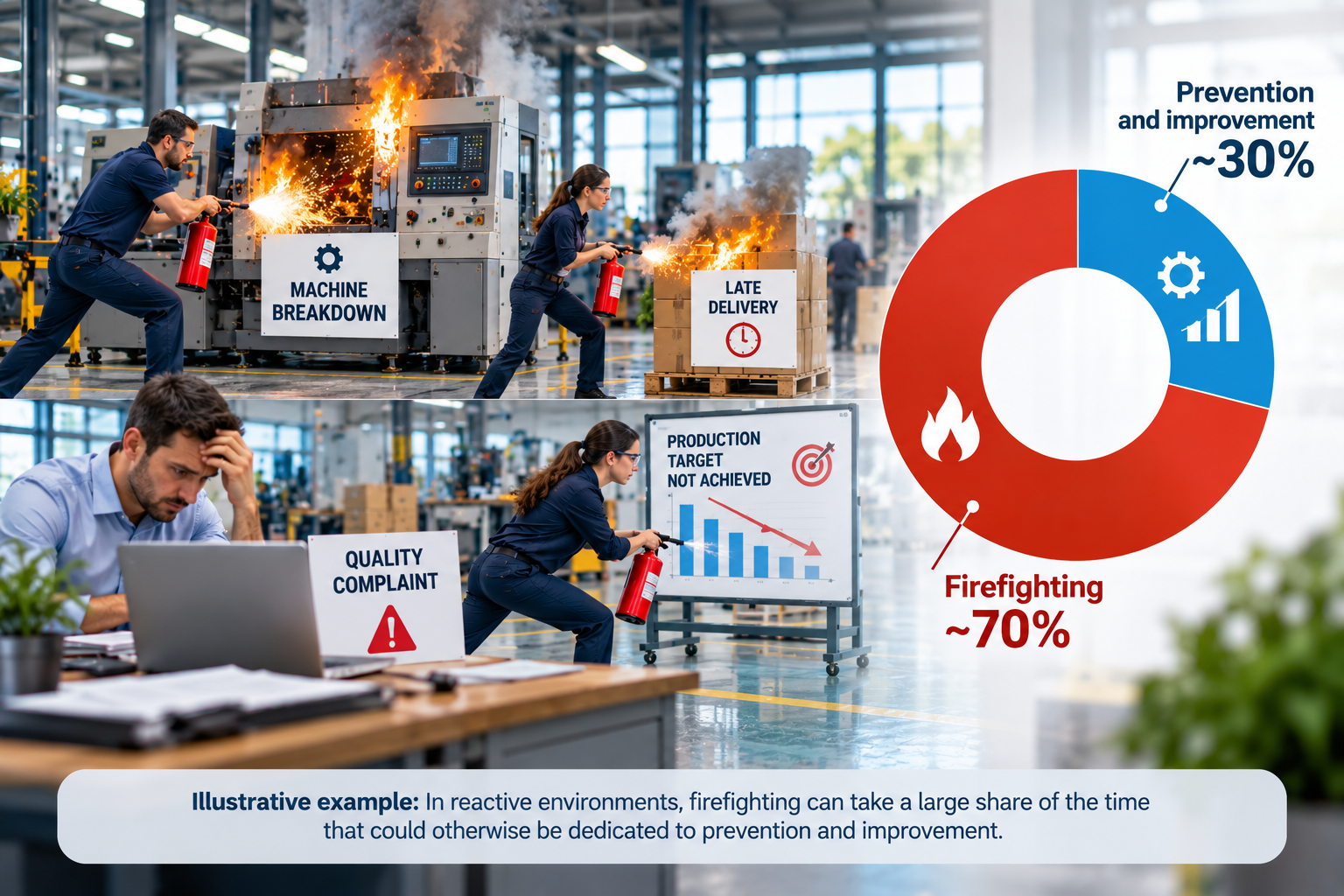
A machine breaks down. A customer reports a quality problem. A delivery is late, production misses the target, costs increase or an urgent order suddenly appears.
That is when the company’s “firefighters” step in.
They are responsive, resourceful and willing to help. When a problem occurs, they quickly find a solution. They stay late, call the supplier, reorganize production, repair the machine, arrange an extra shift and somehow get the situation back under control.
Companies usually value these people highly. And rightly so.
But there is another question worth asking: How well do we recognize and value the people who prevent the “fire” from starting in the first place?
These are the people who notice a deviation early, ask why the same problem keeps returning and look for its root cause. They suggest an improvement to a standard, eliminate a small loss before it becomes a major issue, or identify a risk even when nothing dramatic has happened yet.
Their contribution is often less visible, precisely because there is no major “fire” to put out.
Lean Management Is Largely About Prevention
This is where I see one of the greatest strengths of Lean Management.
Lean is not simply a collection of methods and tools. It is a way of thinking and working that helps us systematically identify losses, deviations and risks and address them as close to their source as possible.
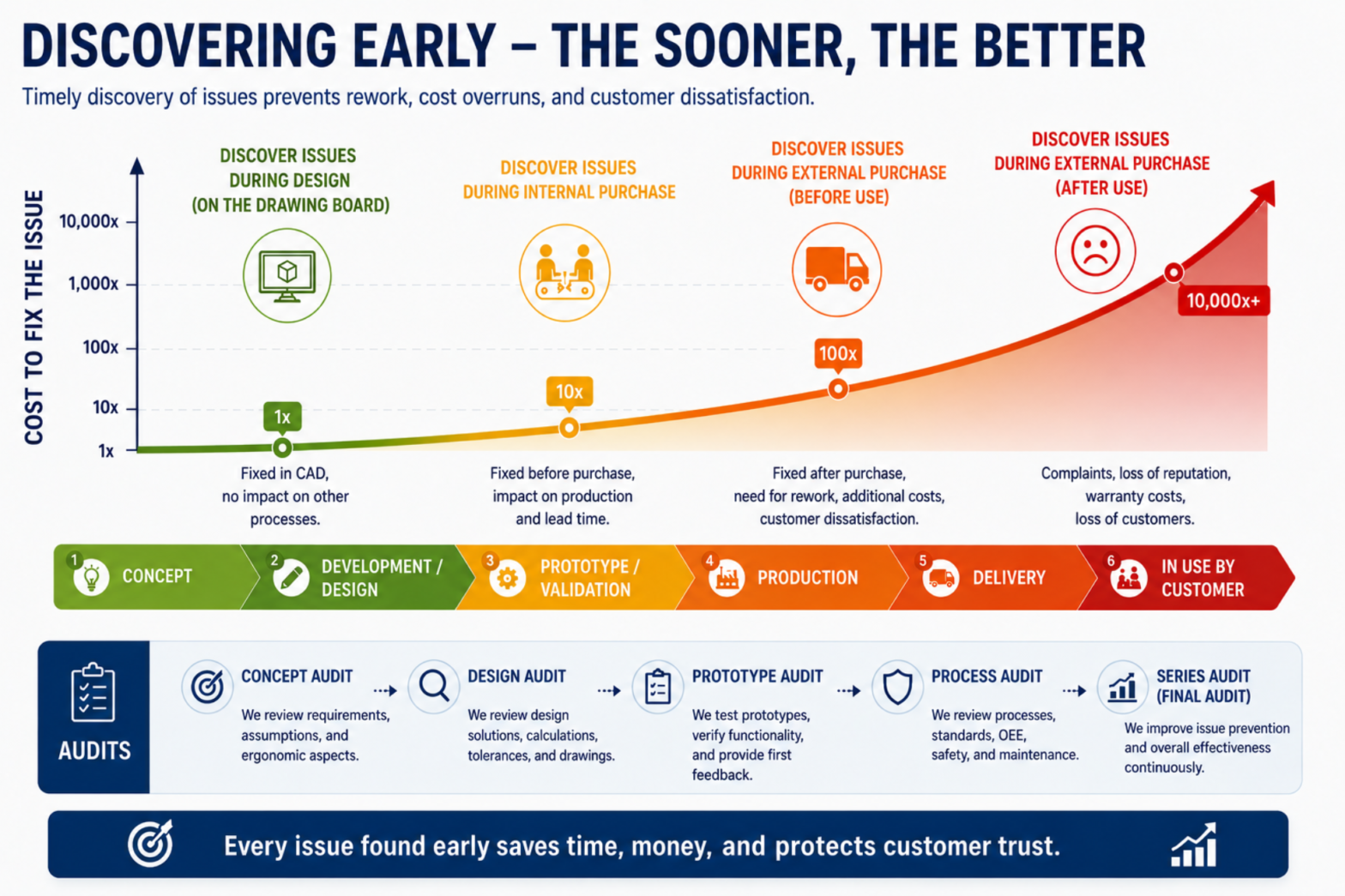
A Lean approach depends on recognizing deviations early. We observe processes, measure performance, ask questions, investigate root causes, improve standards and act before a small issue develops into a much larger problem.
A good management system plays an important role in making this possible. It should give an organization a clear view of where losses and deviations are occurring today and where there is a risk that a small issue may become tomorrow’s serious problem.
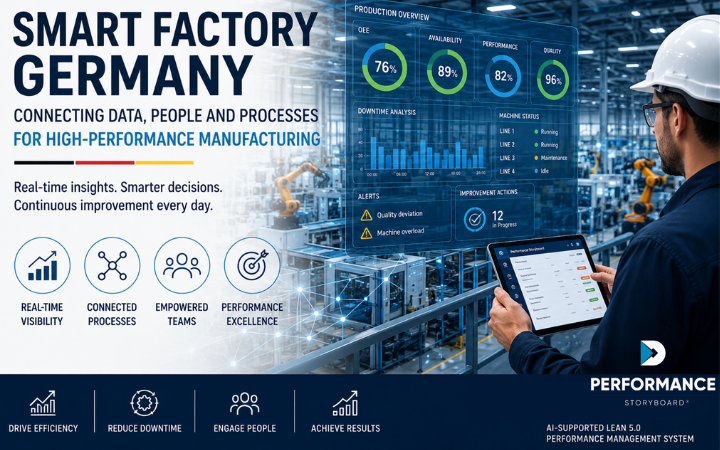
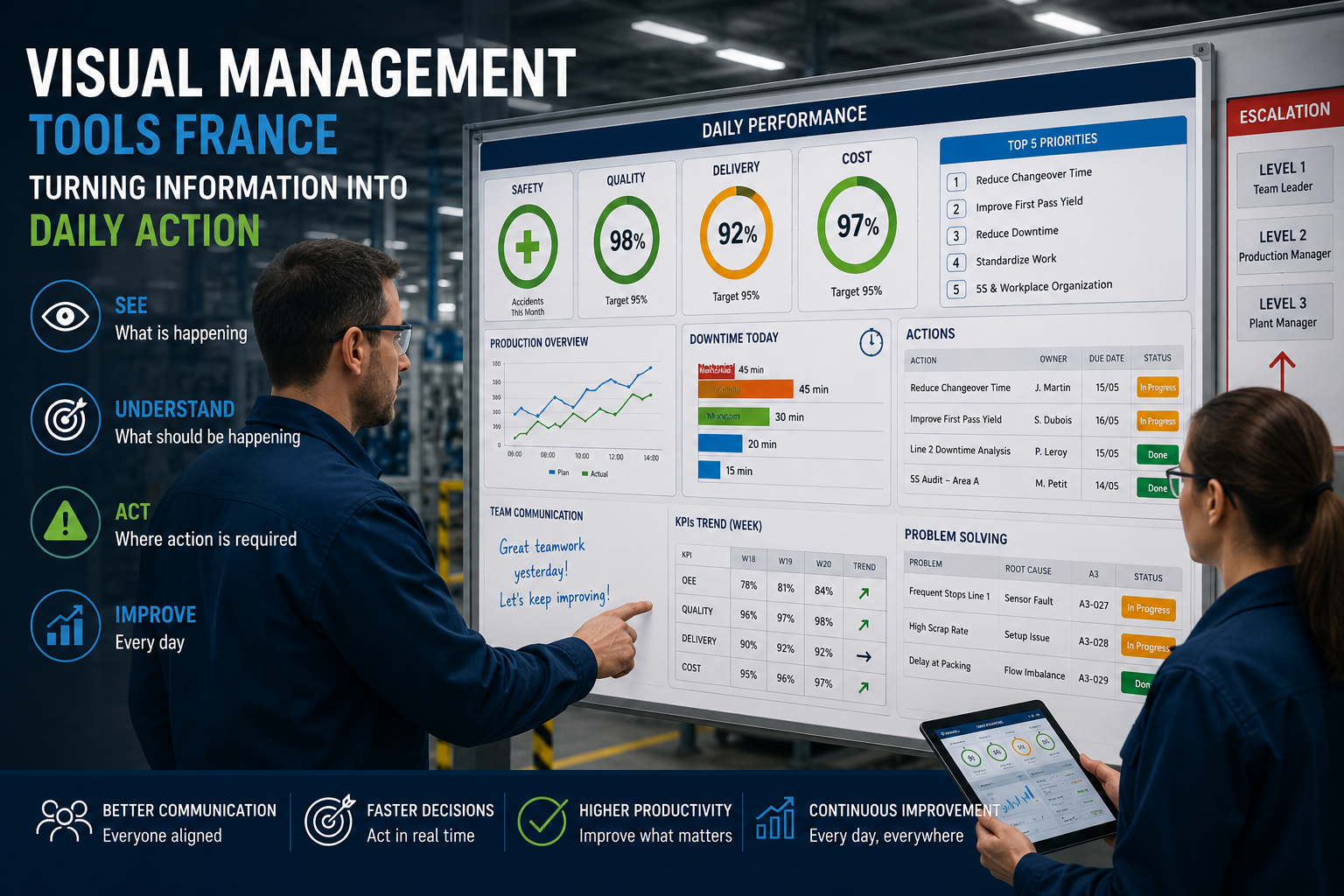
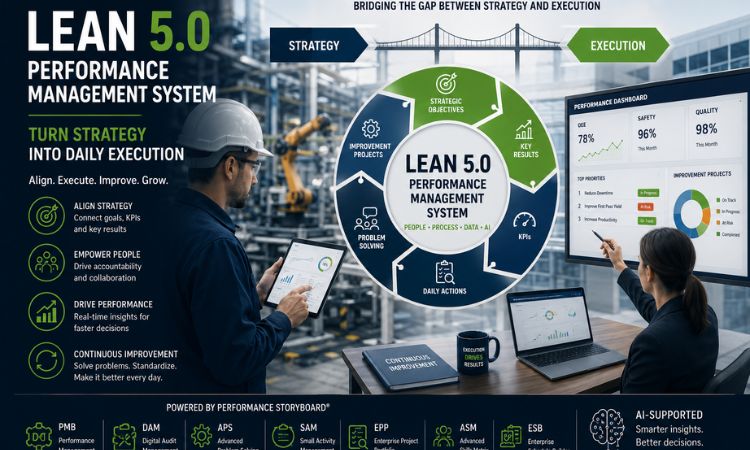
This is also one of the principles behind Performance Storyboard®. Daily management becomes much more effective when teams have a clear visual overview of performance, can quickly recognize deviations, assign actions and follow their implementation. The purpose of digital support is not simply to collect more data. Its value lies in helping the right information reach the right people early enough for them to act.
That is an important difference between an organization that spends most of its time dealing with consequences and one that systematically addresses causes and creates conditions that prevent problems from recurring.
After all, the best fire is the one you never have to fight.
A Warning You Hear Today May Be Very Valuable Tomorrow
Right now, we are supporting a company that was very successful in the past. We worked with them several years ago.
At the time, we pointed out a number of improvement opportunities and highlighted areas where action would have made sense. We even took them to visit another company where they could see good practices in action.
But there was little interest in making changes.
And to some extent, that is understandable. When business is going well, it is much harder to create a sense of urgency around improvement.
Today, they have come back to us, and the circumstances are different. A little late, perhaps. Hopefully not too late.
It is still too early to say how the story will develop, but it is a useful reminder that the best time to improve is usually not when performance has already started to decline.
At that point, pressure is higher, there is less time for systematic improvement, and the number of available options may already be smaller.
The best time to improve is when we still have enough time and space to do it systematically, rather than waiting until declining results force us to change.
Your Competitors Are Not Only Companies That Make the Same Products
Companies that have not yet recognized the need to work systematically on efficiency, loss reduction and process improvement will sooner or later face increasing pressure.
And competition does not come only from companies producing the same or a similar product.
Your competitor is anyone who knows how to operate better: faster, with fewer losses, higher quality and more effective processes.
Companies with capable people and strong management systems have an important advantage. They are better able to recognize deviations early, understand their causes and take action before problems begin to seriously affect quality, delivery, cost or productivity.
This brings us to a simple question that every organization should ask itself regularly:
How much time do we spend fighting problems, and how much time do we spend preventing them?
At DEMETRA Lean Way, we help companies build management systems that support this shift – from identifying losses and developing Lean capabilities to performance management, structured problem solving and digital support with Performance Storyboard®.
The objective is to create an environment in which problems become visible early, their causes are addressed systematically and small deviations are prevented from developing into major disruptions.
So, how does it look in your organization? How much of your time is still spent firefighting, and how much is invested in preventing problems before they grow?