In the competitive landscape of modern manufacturing, operational efficiency is no longer just a goal, it’s a necessity. For manufacturers across the UK, shop floor management plays a pivotal role in streamlining processes, reducing waste, and enhancing productivity. This blog explores how shop floor management United Kingdom is transforming manufacturing efficiency, offering practical insights for businesses looking to stay ahead.
What Is Shop Floor Management?
Shop floor management refers to the day-to-day control and optimization of activities on the factory floor. This includes monitoring production, ensuring quality, managing workforce productivity, and facilitating real-time decision-making. In the context of the United Kingdom, manufacturers are increasingly adopting modern strategies like Lean, Six Sigma, and digital tools to enhance their shop floor operations.
The Importance of Shop Floor Management in the UK
The manufacturing industry in the United Kingdom contributes significantly to the national economy. As the sector faces global competition, rising costs, and complex supply chains, the need for improved efficiency is paramount. Shop floor management is central to achieving this by ensuring consistent output, minimizing errors, and aligning operations with business goals.
Key benefits of robust shop floor management United Kingdom strategies include:
- Real-time visibility of production processes
- Improved coordination between departments
- Faster response to production issues
- Reduction in downtime and waste
- Empowered workforce with defined accountability
Boosting Efficiency Through Lean Practices
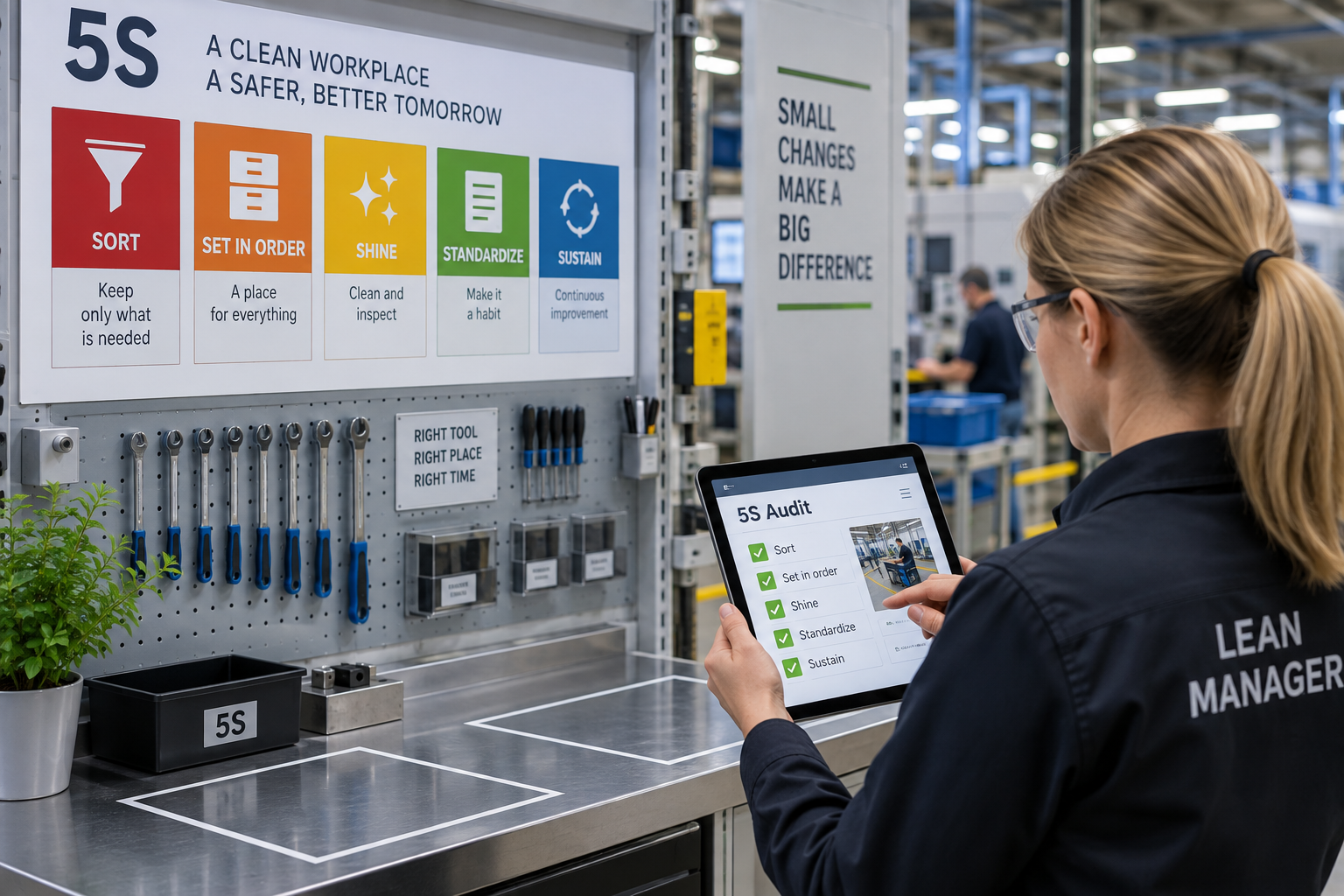
One of the most effective ways to improve shop floor management is through the adoption of Lean manufacturing principles. Lean emphasizes streamlining processes and getting rid of non-value-added tasks. Many UK manufacturers have successfully implemented Lean tools such as:
- 5S (Sort, Set in Order, Shine, Standardize, Sustain) is a way to keep the workplace organized.
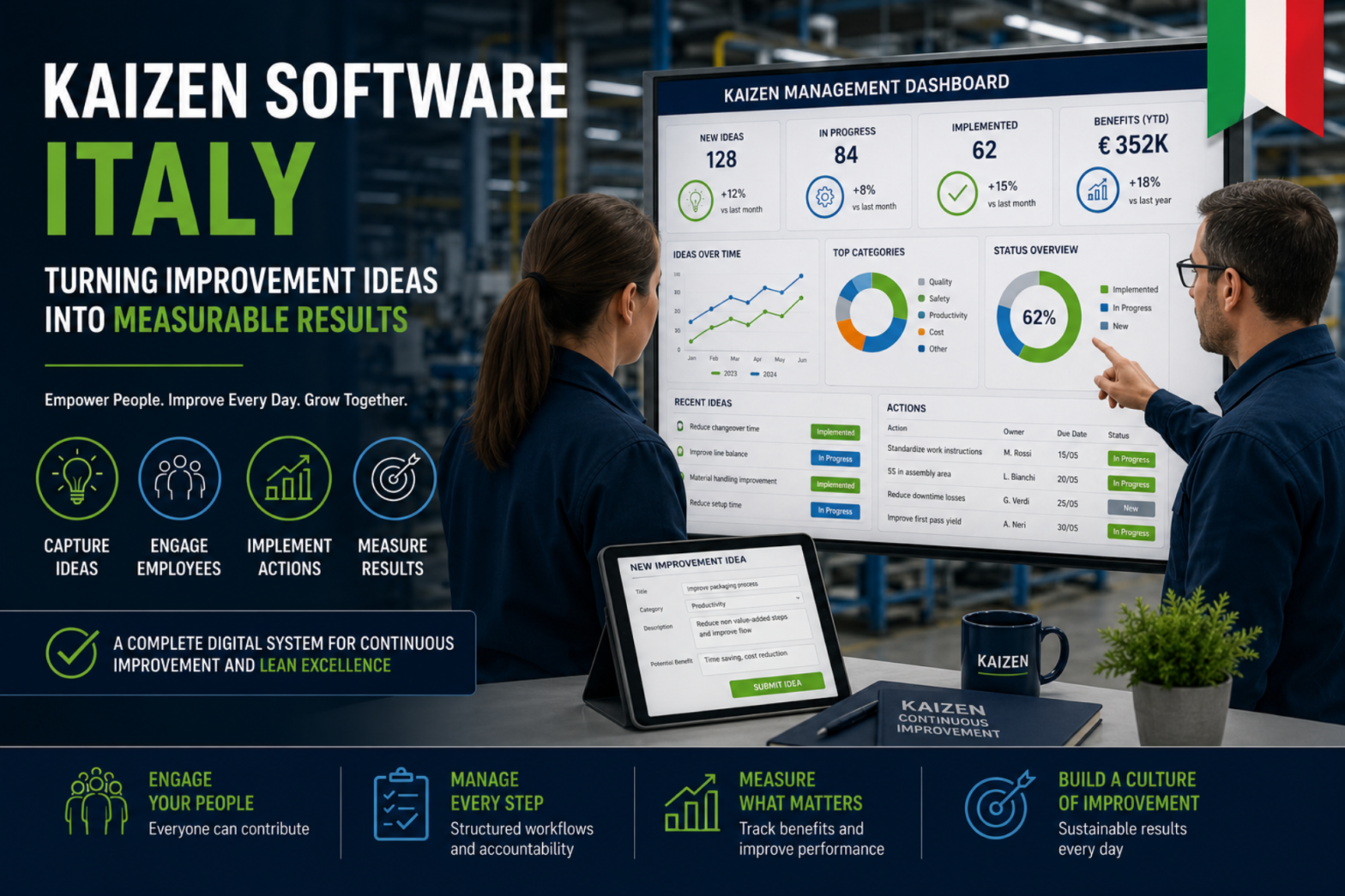
- Kaizen (continuous improvement) to foster a culture of regular small changes
- Value Stream Mapping to visualize and streamline production steps
- Standard Work to ensure consistency in tasks and reduce variability
By incorporating Lean into shop floor management United Kingdom, manufacturers can significantly improve cycle times, reduce waste, and increase output.
The Role of Digital Technologies
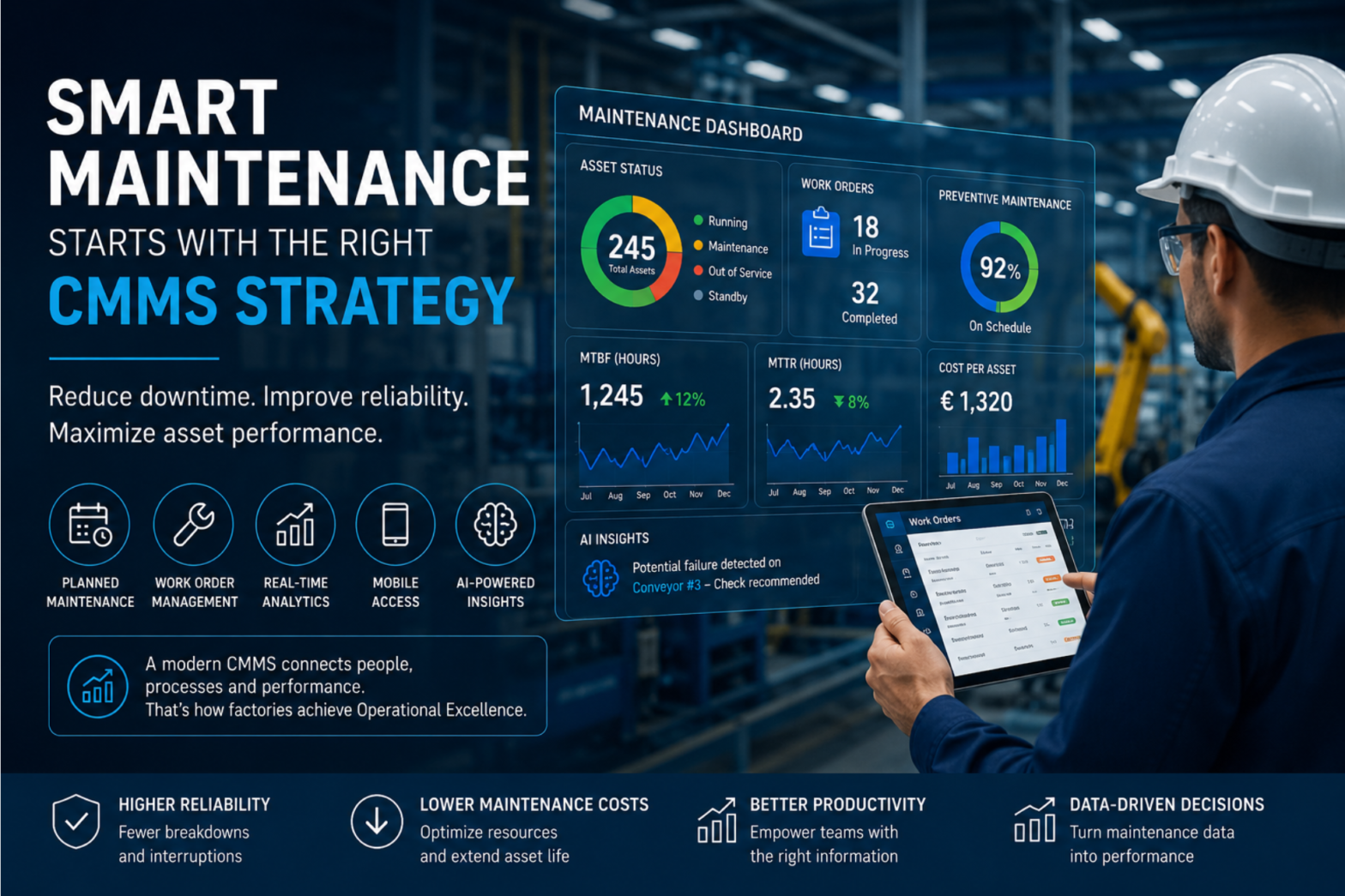
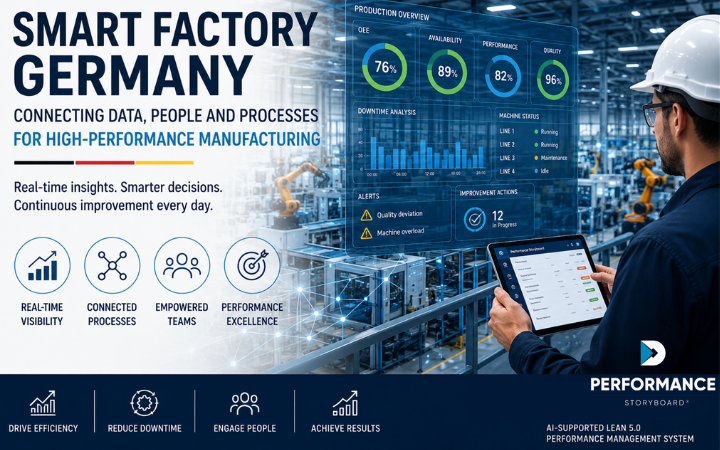
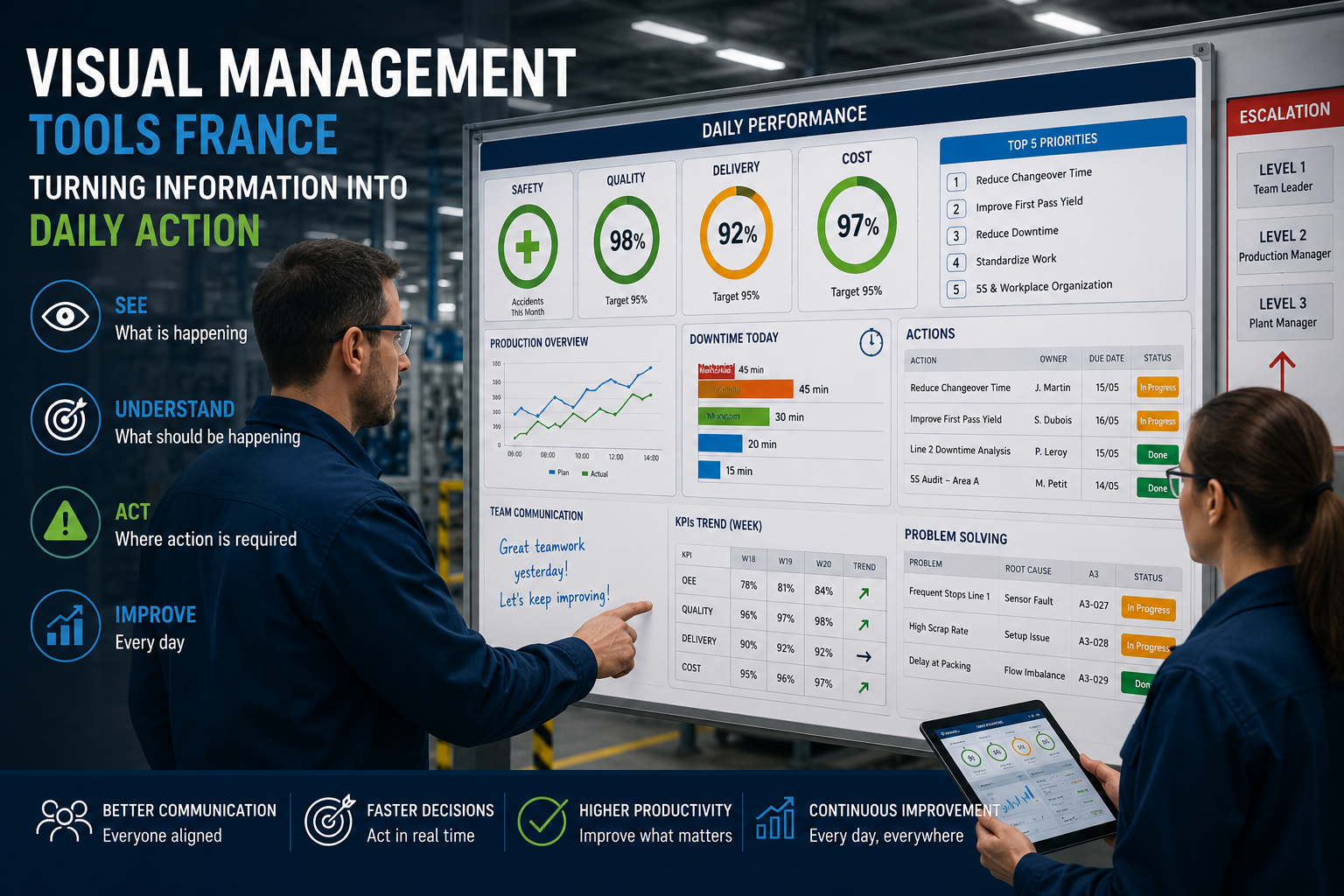
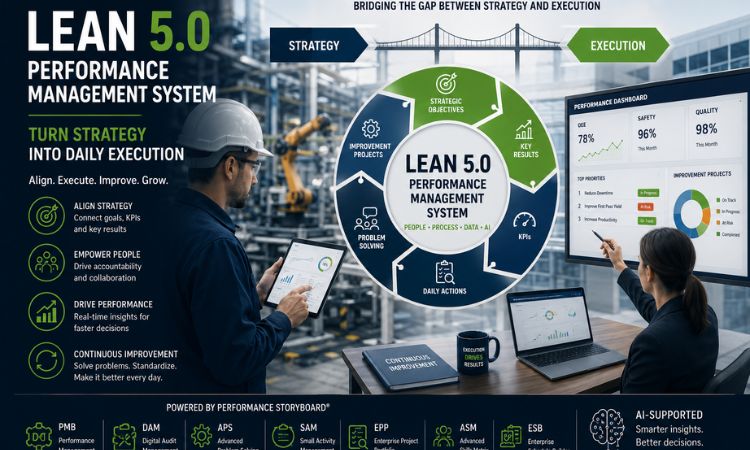
Digital transformation is reshaping how shop floors operate across the UK. With technologies like IoT (Internet of Things), AI-powered analytics, and cloud-based platforms, managers can now access real-time production data, machine performance metrics, and workforce KPIs all in one dashboard.
Performance Storyboard, a leading expert in operational efficiency, offers digital shop floor management solutions that enable manufacturers to:
- Monitor performance in real time
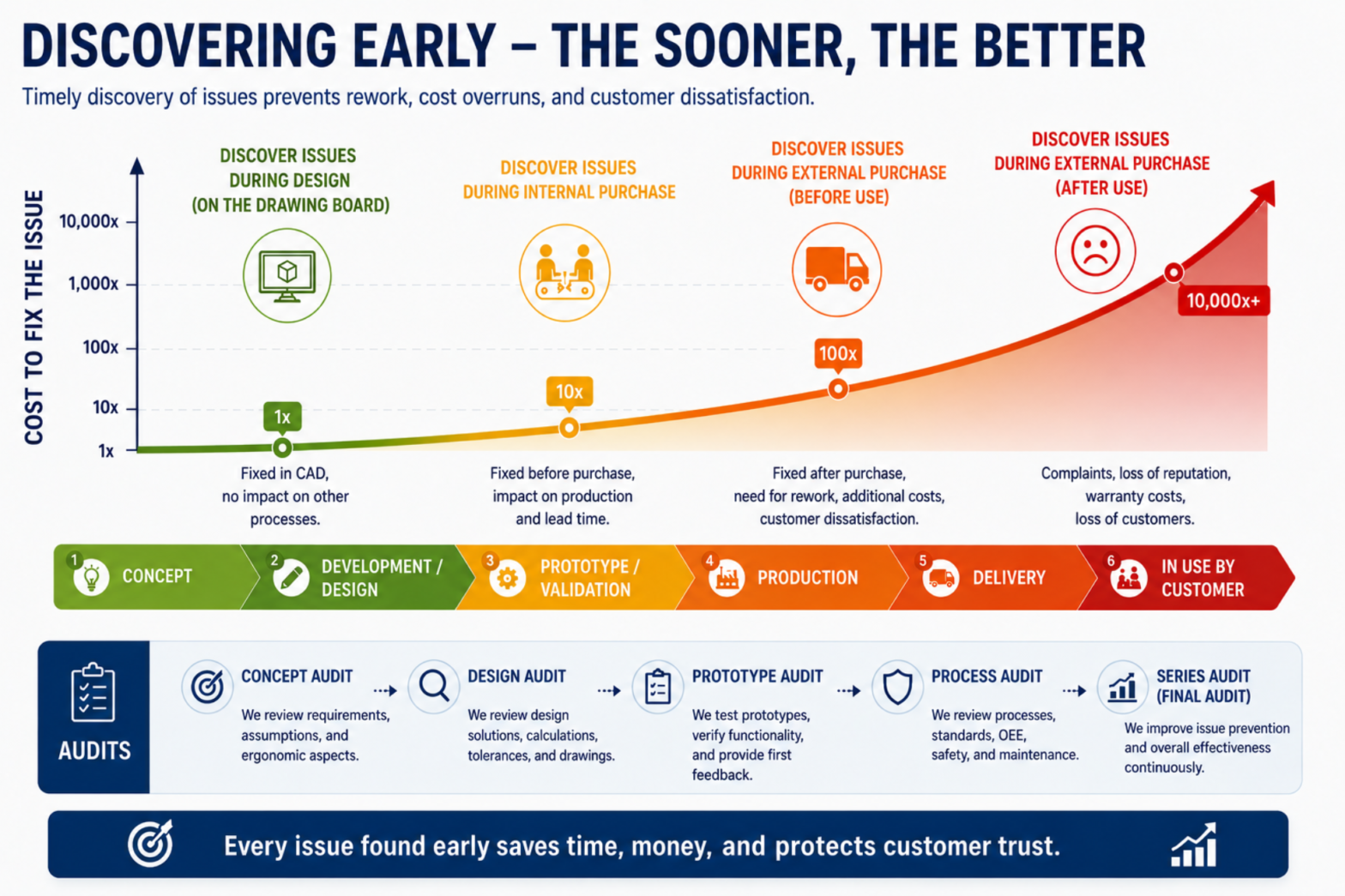
- Identify bottlenecks before they affect production
- Track key metrics such as OEE (Overall Equipment Effectiveness)
- Simplify communication between teams and shifts
These digital tools eliminate the guesswork and allow for proactive problem-solving, ultimately boosting manufacturing efficiency and decision-making accuracy.
Empowering the Workforce
Efficiency doesn’t rely solely on machines and systems, it also depends on people. A well-managed shop floor encourages ownership and accountability among workers. With clear performance expectations, visible progress indicators, and regular feedback, employees are more motivated to meet production goals.
Through structured daily meetings, visual boards, and open communication channels, shop floor teams can quickly adapt to changing priorities and collaborate more effectively. This people-focused approach, supported by technology, is driving measurable improvements across UK-based manufacturing plants.
Reducing Downtime and Waste
Another critical area where shop floor management United Kingdom contributes to efficiency is in minimizing unplanned downtime and material waste. By tracking machine performance, maintenance needs, and defect rates, companies can take preventive action before issues escalate.
Predictive maintenance schedules, quality checkpoints, and standardized procedures all help reduce disruptions, lower production costs, and enhance product quality.

Measuring Success with KPIs
To evaluate the effectiveness of shop floor management, UK manufacturers rely on key performance indicators (KPIs) such as:
- OEE (Overall Equipment Effectiveness)
- Cycle time and lead time
- Scrap rate and rework percentage
- Employee productivity and absenteeism
- Customer satisfaction and delivery performance
With the right tools and processes in place, these metrics offer valuable insights that drive continuous improvement and long-term success.
Conclusion
In today’s fast-paced manufacturing environment, efficient shop floor operations are a competitive advantage. Through Lean practices, digital tools, and empowered teams, shop floor management United Kingdom is revolutionizing the way factories operate.
Companies like Performance Storyboard are leading the charge by providing innovative solutions that transform traditional production floors into agile, data-driven environments. For manufacturers aiming to increase efficiency, reduce waste, and stay competitive, investing in modern shop floor management is no longer optional, it’s essential.