Many companies still operate in ‘firefighting’ mode. Why do you think this is still so common in manufacturing?
I believe it is partly connected to human nature, habits, and the way people are raised. Even in schools, we are rarely taught how to solve problems properly or how to build a real problem-solving culture. At the same time, quickly fixing a problem gives us a kind of “false” satisfaction because we think the problem has been solved — when in reality, it has not. It is simply easier for people to do something quickly to satisfy their conscience, without realizing that the same issue will have to be solved again countless times.
Transition to Structured Management:
What was the key step in moving from a reactive approach to a more structured management system?
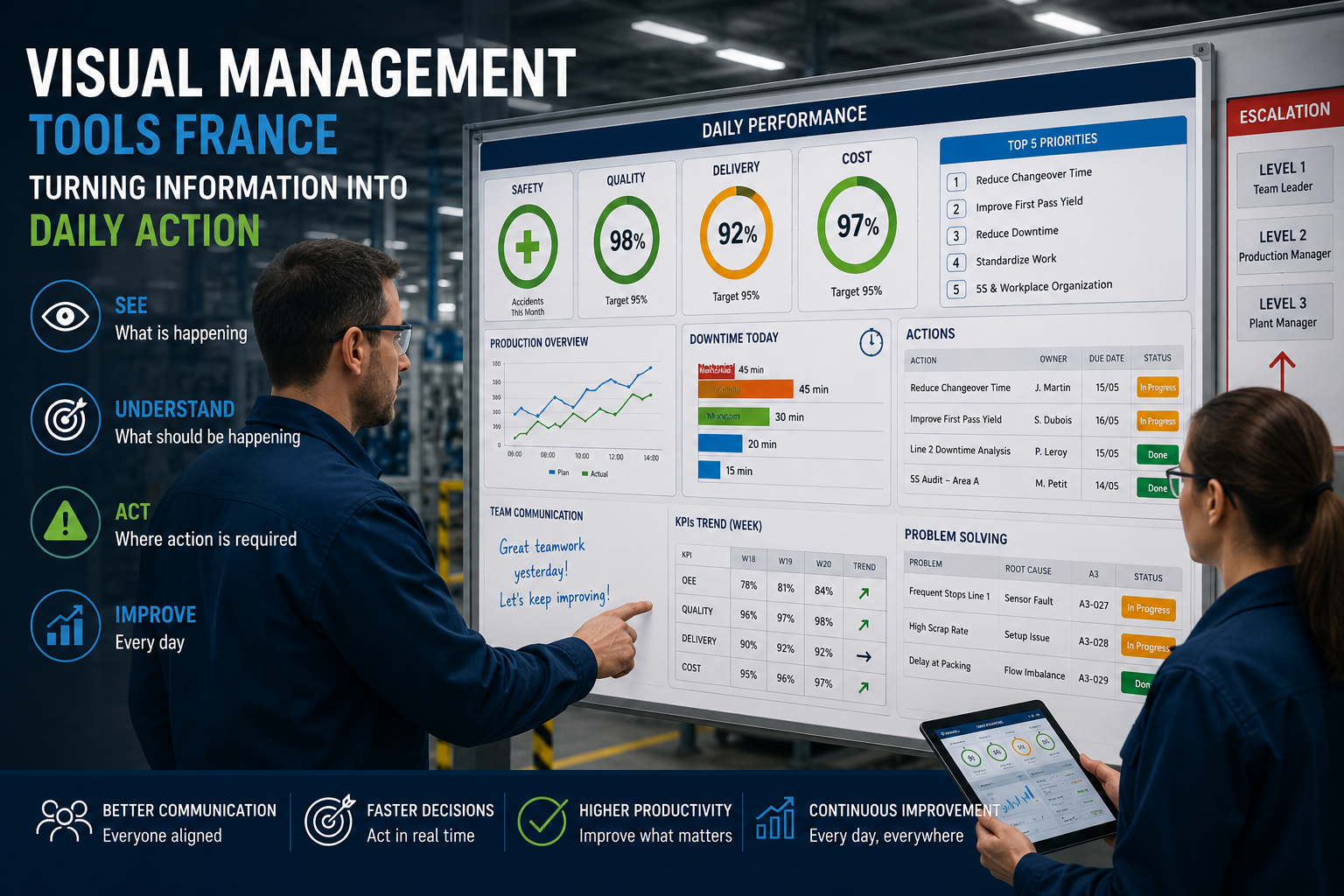
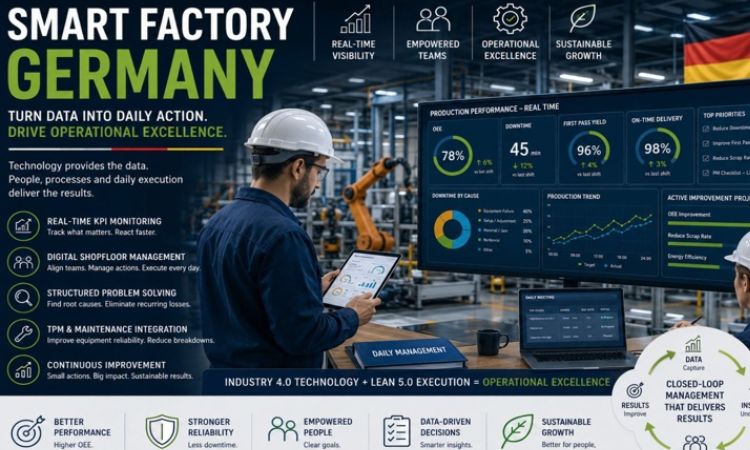
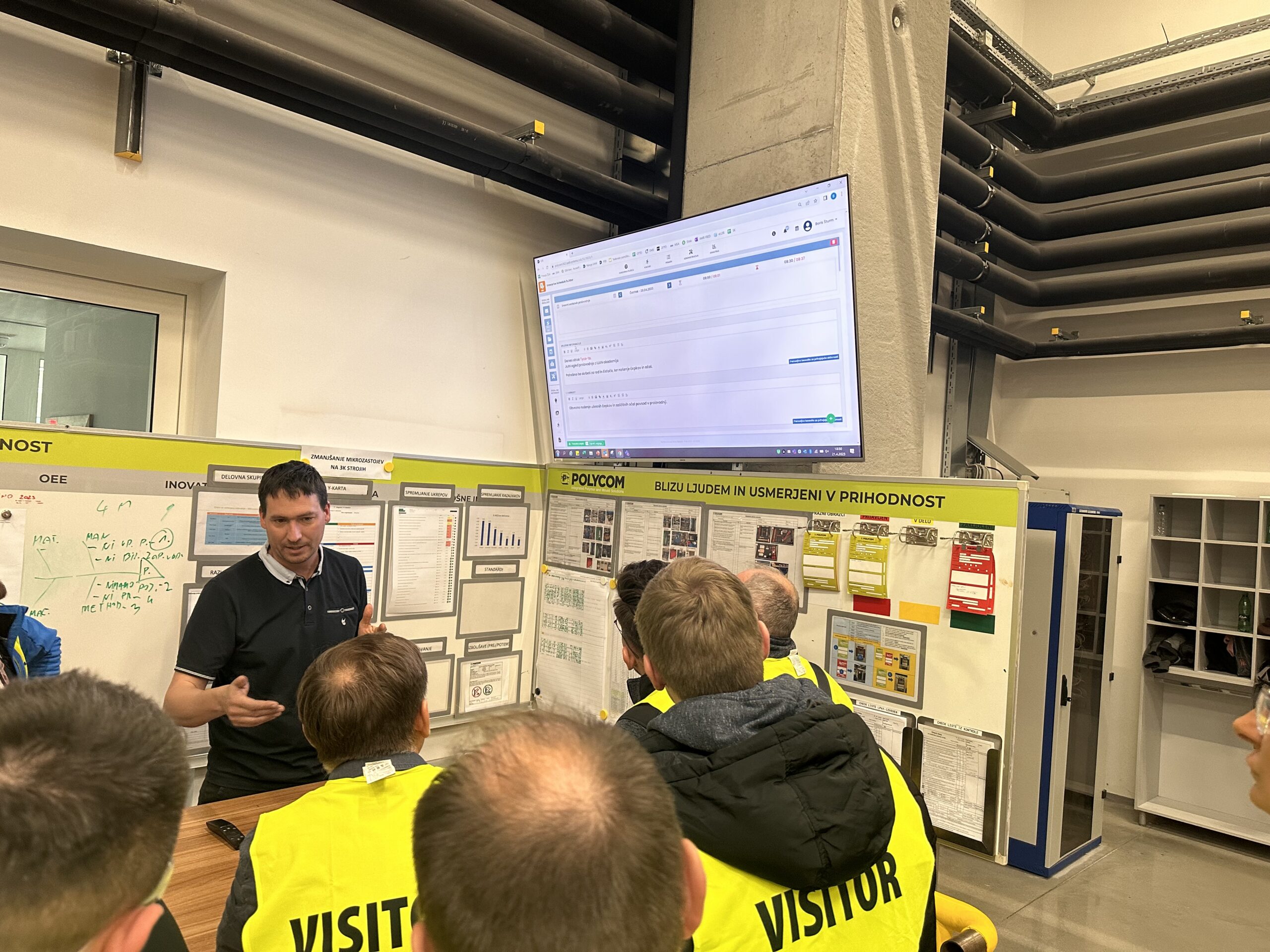
The key step happened when we established a structured management system based on tiered meetings connected to problem solving. It was important that we did not only collect data, but also clearly defined who reacts, how quickly, and in what way.
Data vs. Decisions:
Today, companies do not lack data — in your experience, where is the connection between data and actual decision-making usually lost?
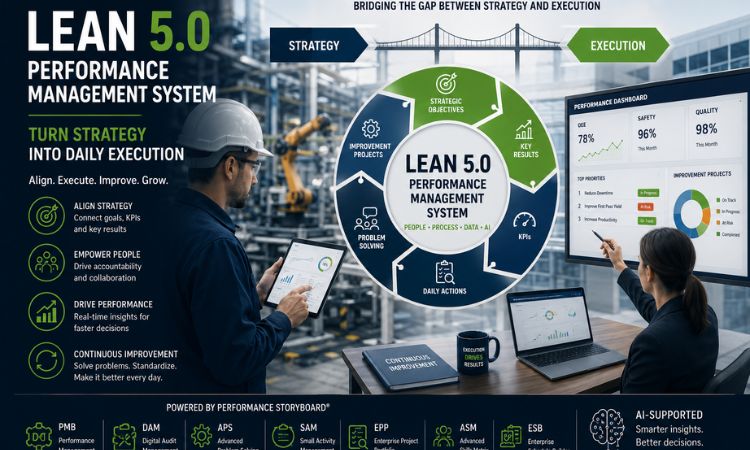
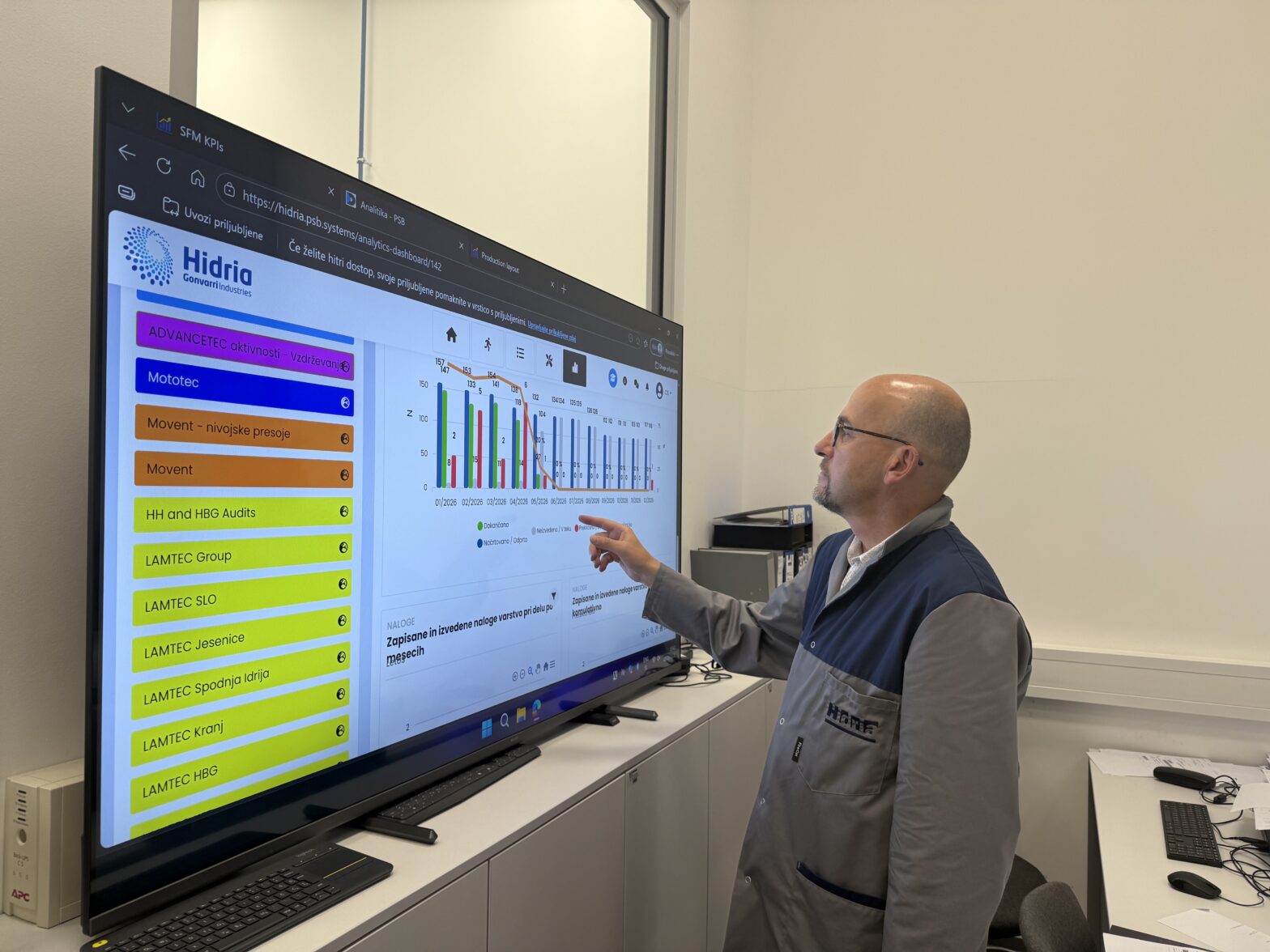
First of all, data must be properly organized and connected to real problems. Secondly, KPIs are often not linked to concrete actions. When a number drops, it should already be clear what the next step is — not another discussion, but action.
The Role of the Management System:
How important is it to have a clear management system compared to simply having tools or KPIs?
It is essential, yet people still underestimate it. Without a proper management system, you cannot expect sustainable long-term results. At the same time, many companies do not fully understand what a management system actually means. Without that understanding, KPIs become just reporting tools instead of management tools.
Practical Example:
Can you share a concrete example where a structured approach delivered visible improvements?
In one of our first projects, we reduced downtime by more than 60% through focused continuous improvement activities. The key was not new technology, but discipline in monitoring, follow-up, and corrective actions.
People and Habits:
How difficult is it in practice to change the mindset and way of working within a team?
This is actually more difficult than anything else. We still underestimate how much time people need, as well as the importance of continuous and repetitive learning, in order to move from one way of thinking to another. The easiest way to achieve this is through constant work on real projects combined with persistence and consistency.
Practical Takeaway:
What is one thing a company can start doing tomorrow to reduce ‘firefighting’?
Tomorrow is already too late — better start today. Make the decision to work differently and begin building a real management system.
Invitation:
What can participants expect from your presentation at LEAN AKADEMIJA 2026?
Additional Question:
Do companies today suffer more from a lack of data or from a lack of structured decision-making?
If you are currently only thinking about making changes, after LEAN AKADEMIJA you will start taking action.