When we talk about Operational Excellence, Lean Management, and a culture of continuous improvement, we often first think about methods, tools, and KPIs. However, companies that achieve sustainable long-term results usually emphasize something else — people, leadership, and the daily discipline of improvement.
That is exactly why the story of Hidria is interesting far beyond its own industry. Over decades, Hidria has systematically built an environment where improvements are not treated as projects or short-term initiatives, but as a way of thinking and an integral part of everyday work.
Branko Kutin speaks very directly, based on many years of industrial experience, about why companies often react only in times of crisis, why strategies without strong leadership remain only words on paper, and why employees are often the most underutilized potential within organizations.
He also highlights that sustainable transformation is not driven by tools alone, but by leadership, engagement, ownership, and the consistent execution of improvements at every organizational level.
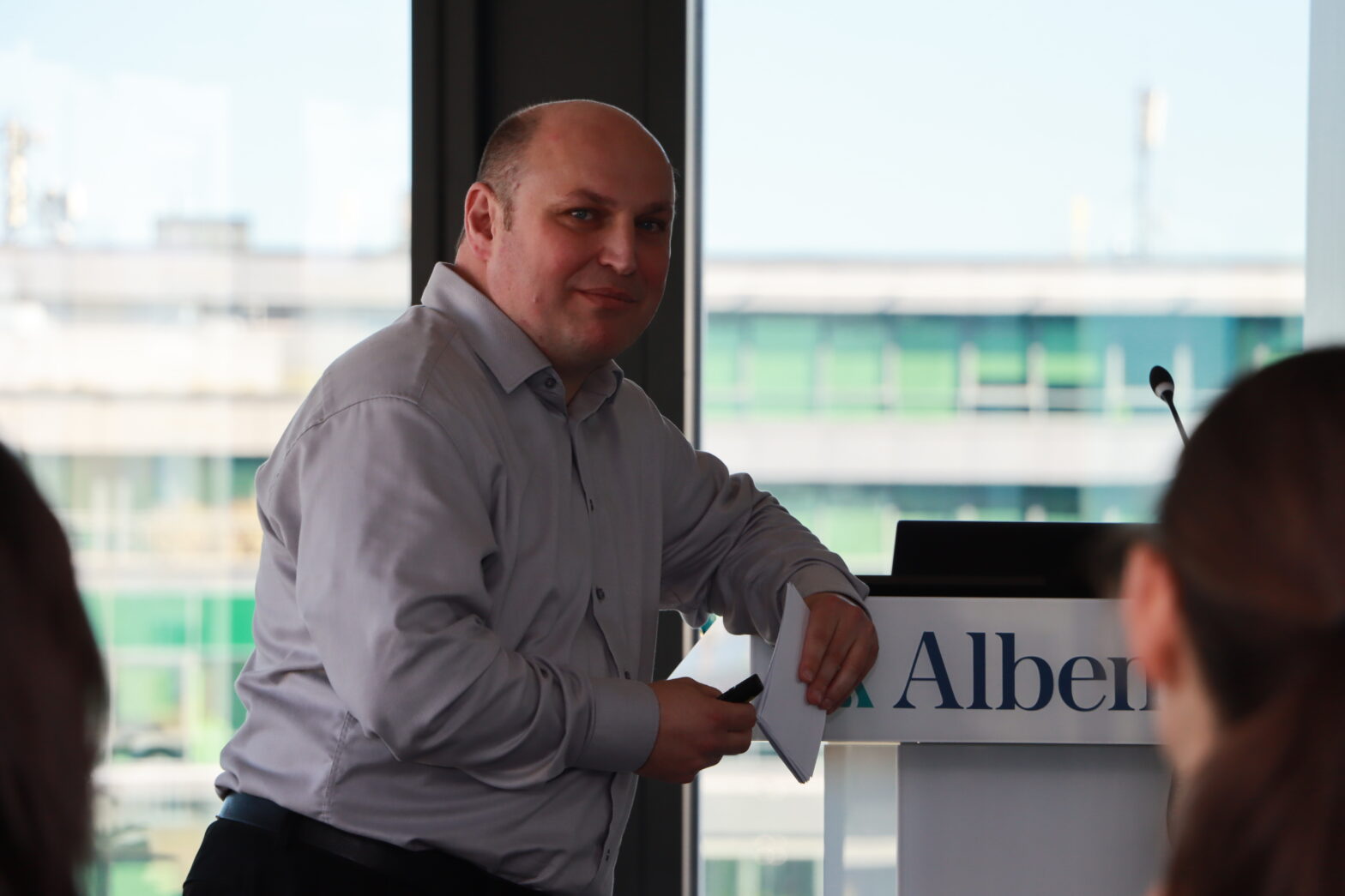
Branko Kutin brings decades of industrial and leadership experience, offering valuable insight into how companies build sustainable success through people, systems, and continuous improvement.
You have decades of experience in industry — in your opinion, what has changed the most in the way companies approach efficiency and improvement?
Sooner or later, every company faces at least smaller crises caused by the constant changes happening around the world. If not before, it is usually during such periods that companies begin asking themselves where they are losing resources and where savings or improvements could be achieved.
If I limit myself to Hidria, where I have worked for the last several decades, one important aspect was that management required every business unit, during the annual planning process, to prepare yearly savings plans with a target of achieving at least 3% savings relative to sales. Such expectations encouraged all departments to actively search for improvements.
Continuous improvement is a necessity because it is the only way to remain competitive in the global market. The most successful companies are those that eliminate their biggest challenges. By doing so, they avoid dealing with the same recurring problems every day, allowing teams to focus on new improvements instead.
In many companies, the demand for improvements only appears when difficult times arise, rather than continuously improving even when everything seems to be running smoothly. Nevertheless, I believe many things are moving in the right direction. Companies are becoming increasingly aware of the importance of improvement and the search for more efficient ways of working.
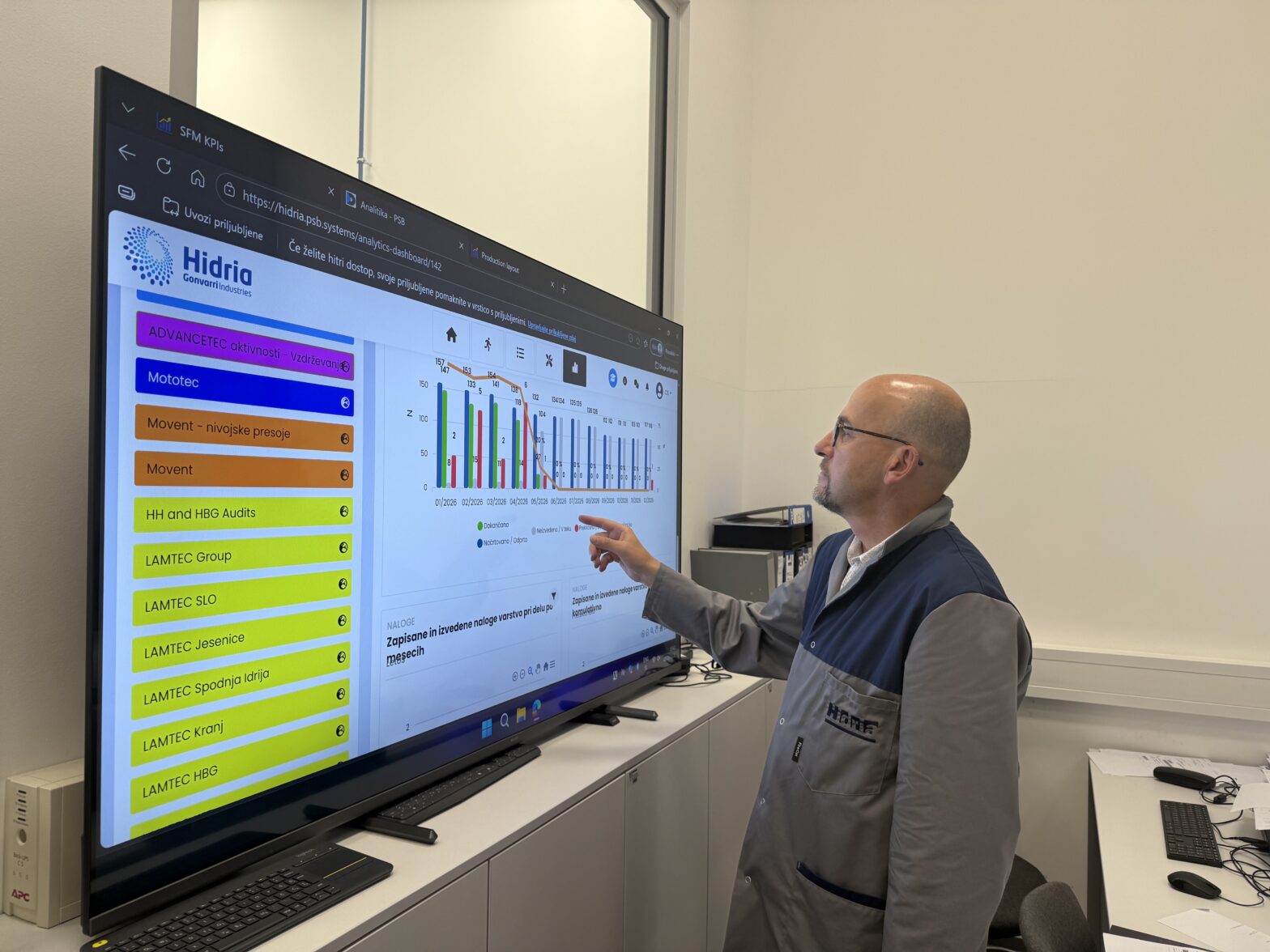
Many organizations are also using digitalization to ensure they measure the right things and provide teams with the right data in a user-friendly way. Digital tools can significantly help in terms of data accuracy, timeliness, and the clear presentation of instructions and parameters.
Strategy vs. Execution
Many companies have well-defined strategies but struggle with execution. Why does this gap still exist?
This gap still exists primarily because of leadership. Simply saying “we are moving toward Lean” does not solve much.
Living Lean means that leaders must first be demanding of themselves and of the teams implementing Lean practices. Leaders must genuinely care about how improvements are progressing, recognize and celebrate breakthroughs, stay curious about why something does not work or how things actually function, and remain persistent until problems are fully resolved. The same mindset must also be expected from the team.
A project is not finished until the problem can no longer reoccur. Most importantly, leaders must genuinely care about employees, their opinions, and the information they provide.
Sustainability of Results
In your experience, what separates short-term improvements from sustainable long-term results?
Long-term results can only be achieved in two ways.
First, companies need to establish systems that regularly verify whether agreed standards and processes are still being followed effectively, while continuously asking how things could be done even better.
Second, when solving concrete problems such as breakdowns, defects, or stoppages, organizations must persist until the true root cause is identified. Eliminating root causes is essential because it frees people from dealing with the same recurring problems every day. When employees have time available, they can focus on continuous improvement and innovation.
The Role of Leadership
What is the role of leaders in building a culture of continuous improvement?
The role of leadership in building a culture of continuous improvement is absolutely critical.
How can employees improve if leaders do not notice improvements, do not value them, do not highlight them, do not provide support during implementation, and do not listen?
Employees want to be heard and want to feel useful. Even one kind word of recognition from a leader can make a huge difference.
Questions such as “How would you solve this?” during decision-making, or “How did you achieve this?” after successful projects and tasks, help drive the entire improvement culture forward.
People and Competencies
How important is investing in people development and competencies for achieving operational excellence?
Investing in people development and competencies is extremely important. However, I am not referring only to formal training related to improvement tools and principles.
I mainly mean daily work with employees — checking their understanding of why certain activities are important and why they should not be abandoned.
Daily conversations with employees, asking about their observations, and jointly exploring why certain issues occur can often be an even more effective learning method — not only for employees, but also for leaders themselves.
Perspective on Digitalization
How should industrial companies approach digitalization so that it truly supports efficiency — and not just technology?
When approaching digitalization, companies must first ask themselves: What do we actually need? Where can digitalization help us the most?
Wherever employees spend time and resources preparing, displaying, or rewriting data and reports, digitalization becomes essential. It saves employees valuable time so they can focus on implementing improvements instead of collecting data.
Companies often face the question of whether to develop tools internally or use existing external solutions. My view is simple: choose whatever is faster and more effective. If something is not moving forward, it is time for change.
Too much time is often wasted on things that should have been implemented yesterday.
Practical Advice
If you could give companies one key recommendation today — what should they focus on first?
Like in all important areas, companies should first focus on their people.
Engaging the full collective knowledge within the company in continuous improvement is essential. Leaders are primarily responsible for making this happen.
This includes involving employees in daily shopfloor management meetings where they are not passive observers, but active contributors who often know their machines better than managers and engineers.
It also includes workshops where teams jointly search for solutions to real operational problems, communicate openly about them, and implement solutions that make work easier — ultimately creating a strong culture of collaboration.
Invitation
What can participants expect from your presentation at LEAN AKADEMIJA 2026?
I have often reflected on how life led me into the field of continuous improvement. Certain things happened in the right way, allowing me to work in an area that truly inspires me.
From leaders who recognized potential in me, to projects and small improvements through which I realized that improvement actually works in a very simple way — all you really need is curiosity and common sense.
Through my personal story, and later through the experiences of the pioneers of Lean implementation within Hidria, I would like to present what we have learned so far and why it is essential to continue this journey.
Additional Question
In your opinion, what will separate the most successful industrial companies from the rest over the next decade?
The most successful companies will be those with leadership teams that will:
- Recognize activities that truly add value for the customer and eliminate unnecessary work
- Focus on real customer needs while delivering additional value that exceeds expectations
- Set ambitious operational excellence goals
- Personally invest themselves in achieving results by actively involving all employees in the improvement process