At first glance, cycling may appear to be an individual sport. The spotlight is on the rider – the one who wins, who stands on the podium, who takes the medal. But the truth is quite different. Without teammates and the support crew in the background, an individual would never reach the highest success.
The team ensures the right strategy, maintains the pace, provides support on the course, takes care of equipment and materials, and manages ongoing training. Outstanding results are therefore the outcome of a whole system – organized, aligned, and focused on a shared goal.
The same applies in business. The success of a company does not depend solely on a CEO or one exceptional individual, but on a team of people, sound organization, the right equipment, and high-quality materials. What is equally crucial is the process – how knowledge is transferred, how training is delivered, and how key competencies are developed.
Just as in sports, digitalization is increasingly becoming a key driver in companies. Data analysis enables deeper understanding of processes, faster identification of opportunities, and building of competitive advantages.
A Case from Practice
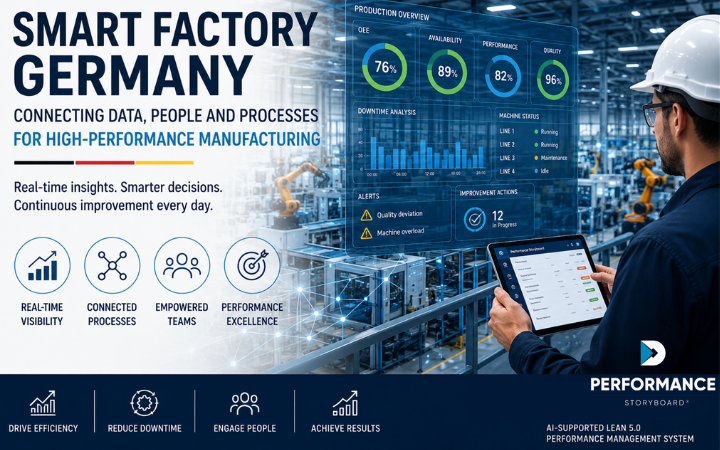
We regularly share real-life cases with you – at least once a year at the LEAN ACADEMY, which attracts many participants eager to learn how companies achieve success with the help of digital tools like Performance Storyboard®.
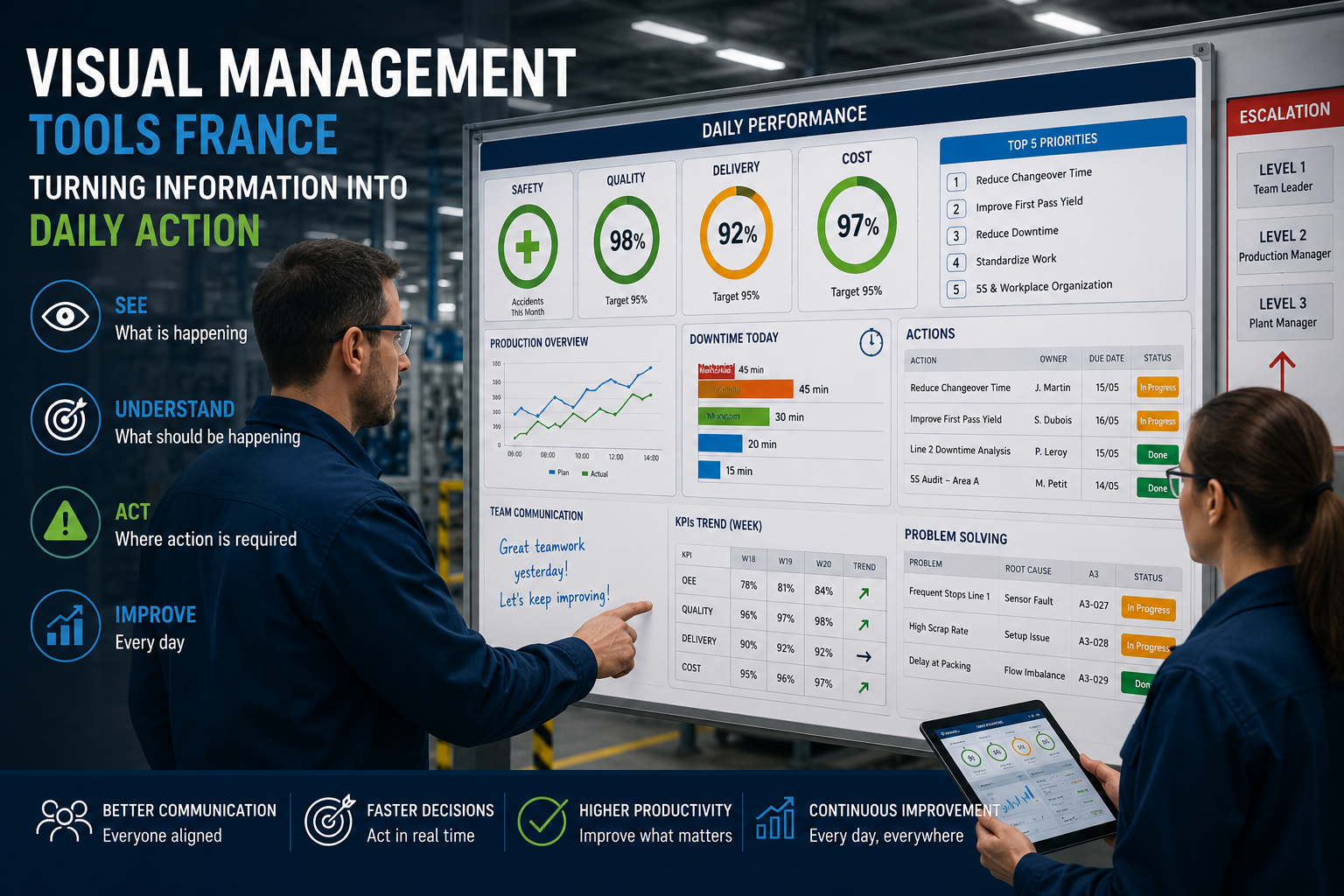
This year, we presented the case of a company where we introduced a unified system for tracking performance indicators. Previously, each department used its own tables and reports, which caused confusion and wasted time. Today, everyone – from management to operators – has a single, transparent view. The result? Better alignment, fewer errors, and higher motivation, as employees can clearly see how their contribution impacts the overall goal.
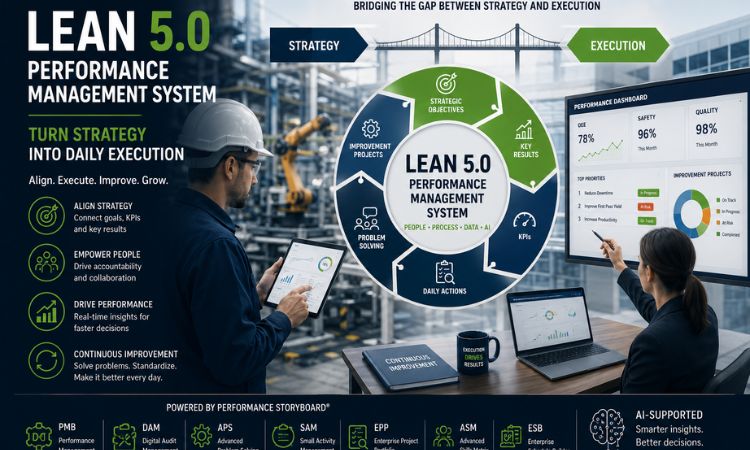
The process was further enhanced with APS (Advanced Problem Solving), a tool that not only eliminates problems but also analyzes them at the root cause to prevent recurrence. This established a culture of continuous improvement.
The journey continued with the implementation of ASM (Advanced Skills Matrix), a competency management tool. Employee skills are a critical competitive advantage – because even with advanced technology, it is people and their abilities that make the difference between a good company and a world-class one.
The Road to World Class
This case teaches us an important lesson: true success is built by combining three key elements – good organization, effective leadership, and strong competencies. When these come together, a company is well on its way to achieving WCM – World Class Manufacturing.
And if we draw a parallel with cycling: just as in sports, where the team wins, in business the winners are those who know how to connect people, processes, and technology.