Some years ago, a tragedy struck in Kočevje, when an explosion at Melamin claimed several lives. The loss was devastating for families, colleagues, and the entire community. No court case or compensation can ever heal such wounds. Yet, beyond seeking responsibility, one crucial question remains: what can we all learn so that something like this never happens again?
Safety in an organization can never be left to chance. Machines, processes, and chemicals are not dangerous by themselves – they become dangerous when procedures fail, when oversight is superficial, or when the culture of responsibility collapses. The Melamin accident painfully demonstrated that even the strictest rules are meaningless if they are not consistently followed and supported by systematic tools. Safety is not a document or a signature on a protocol; it is a daily practice that every employee needs to understand and live by.

Too often, warning signs are ignored. Someone notices a pipe connected to the wrong valve but does not report it. Another realizes that procedures are unclear but stays silent to avoid conflict. A third follows the routine, even when something feels wrong, believing “it will be fine this time.” These small oversights create conditions where accidents are no longer a matter of if, but when.
To prevent this, employees need not only knowledge, but also the tools and culture to speak up, report risks, and co-create a safe environment. This is where digitalization comes in – not as “just software,” but as a mindset.
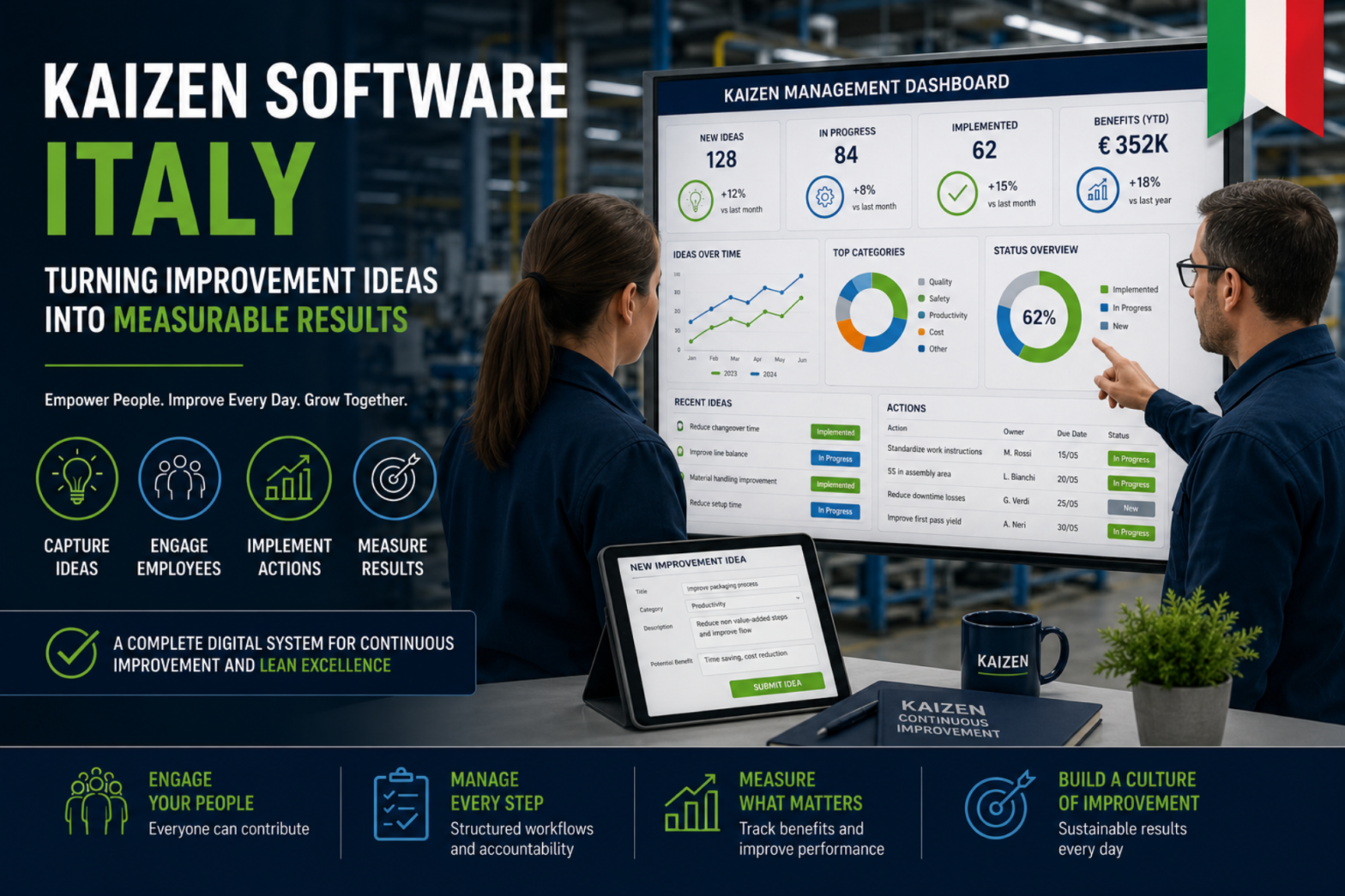
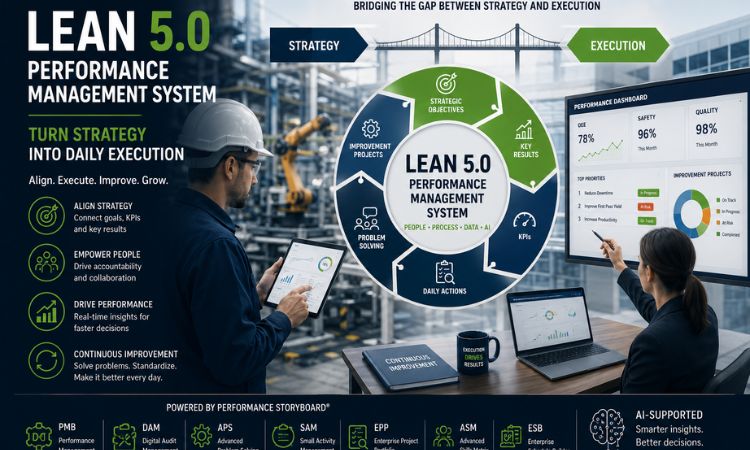
The tool SAM Small Activity Management I Safety and Risk Management enables employees to quickly and easily report safety risks and near-miss events. Every small observation becomes part of a shared system, analyzed and used to implement preventive measures. By making small failures visible, we can prevent major disasters.
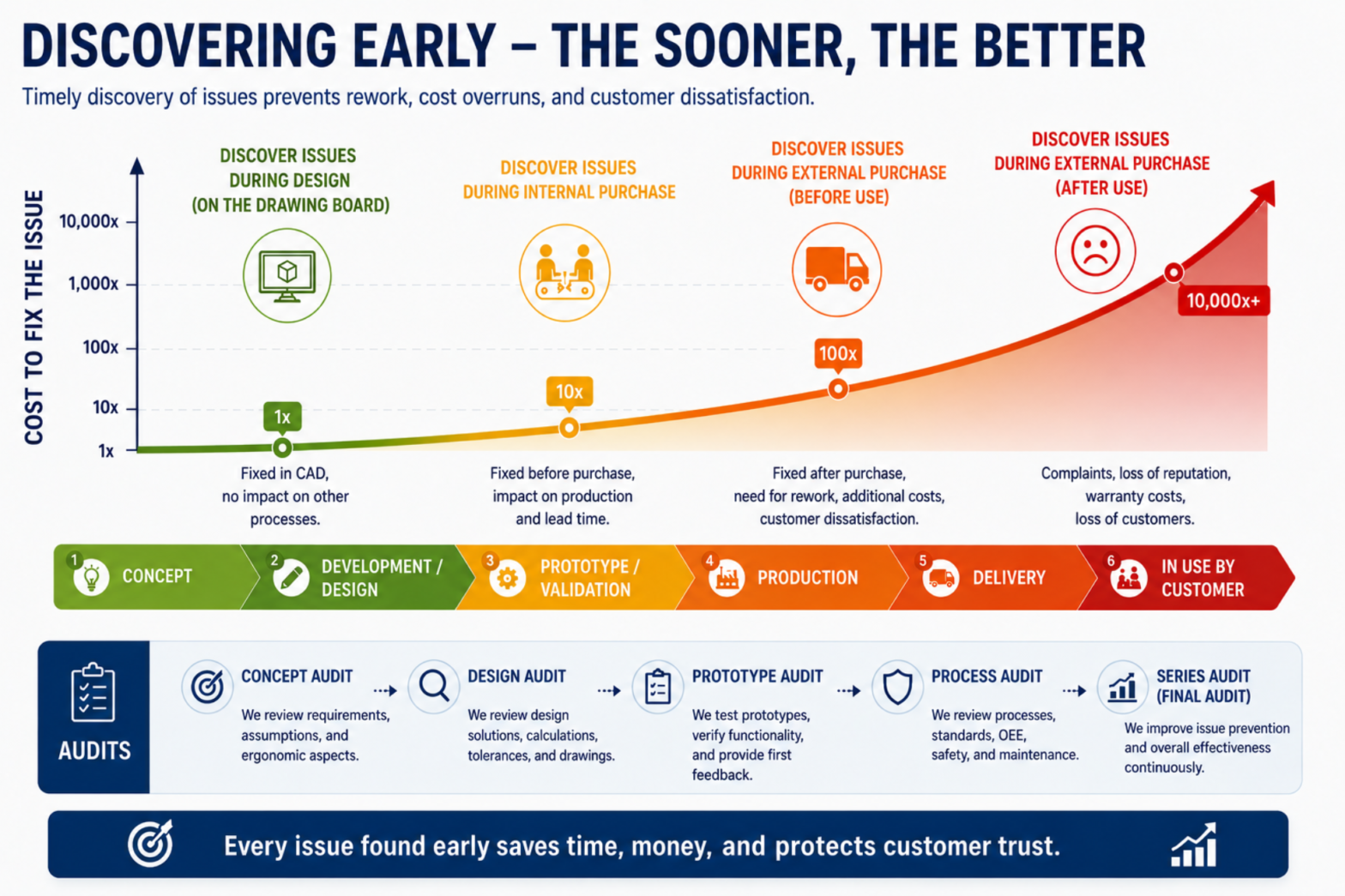
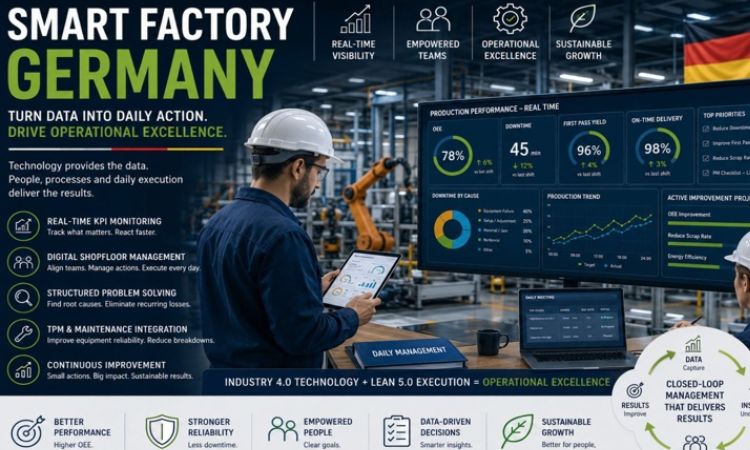
Equally important is systematic oversight. DAM – Daily Audit Management replaces paper-based checklists with transparent, digital audits of processes, equipment, and safety routines. Deviations are immediately visible, responsibilities are clear, and corrective actions can be triggered without delay. This transforms auditing from a bureaucratic formality into a living process that truly improves safety.
The lesson from Melamin is painfully costly. But if we take it seriously, it can become a turning point. Safety does not begin with technology and does not end with policies. Safety begins with people – with their knowledge, responsibility, and the tools to act at the right time.
Tragedies should not only be remembered for blame. They should be remembered for the solutions they inspire. If SAM helps an employee report a near-miss that prevents an accident, and if DAM ensures that oversight is transparent and effective, then we have moved closer to a future where tragedies like Kočevje never happen again.