In Japan, achieving operational excellence is more than just a goal, it’s a disciplined culture embedded in everyday work. The Daily Management System Japan is one of the most powerful tools behind this success. It ensures that every team member, from shop floor operators to senior executives, contributes to continuous improvement and seamless communication. The result? Enhanced team performance, reduced waste, and a sustainable culture of excellence.
In this blog, we’ll explore how the Daily Management System Japan model works, why it’s so effective, and how global organizations can implement similar systems with tools like Performance Storyboard to achieve measurable improvement.
What Is the Daily Management System Japan?
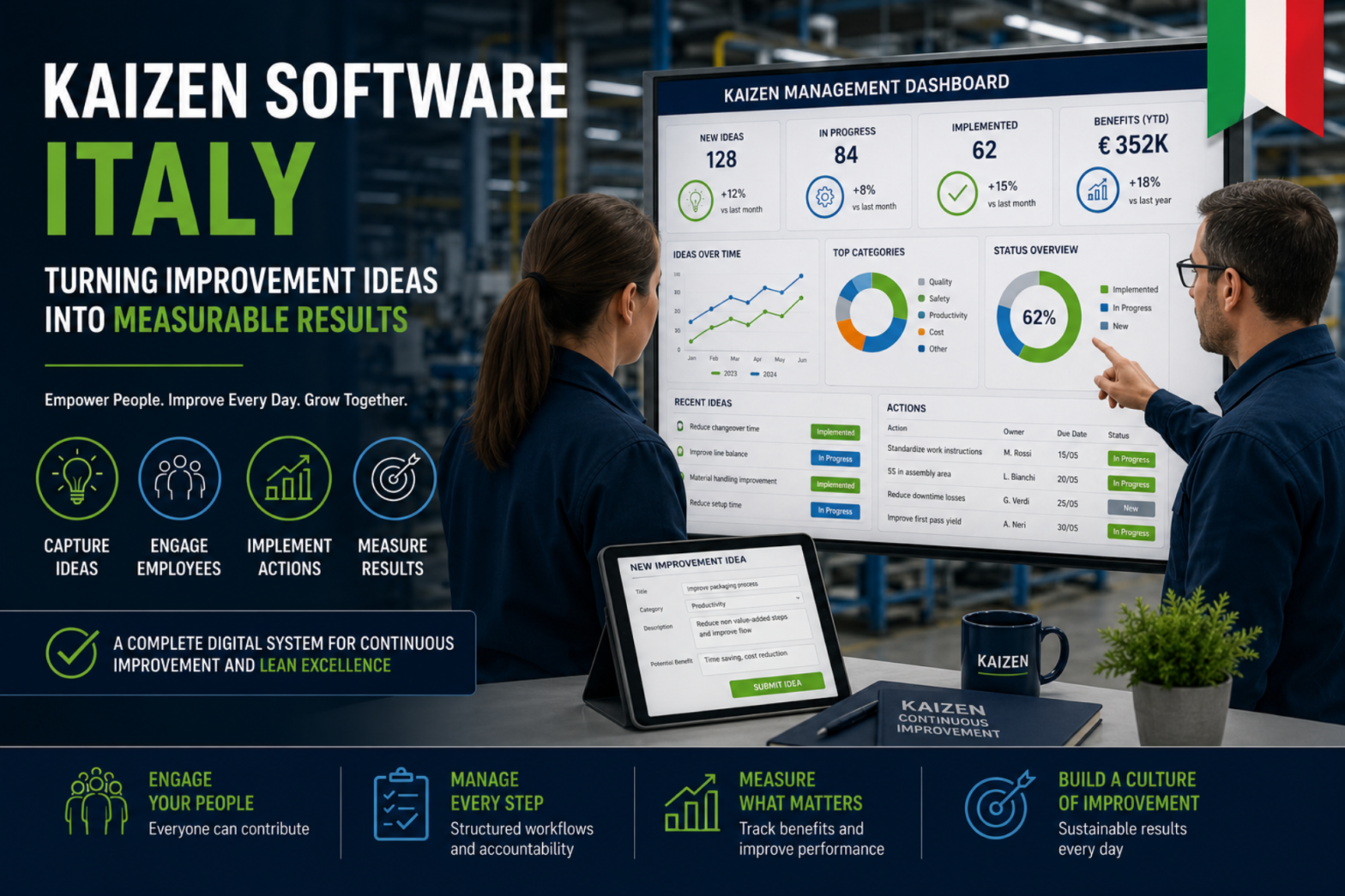
The Daily Management System Japan (DMS) is a structured approach that ensures consistent performance monitoring, problem-solving, and goal alignment every single day. Rooted in Japan’s lean manufacturing philosophy, particularly in companies like Toyota, this system integrates continuous improvement or Kaizen into the daily workflow.
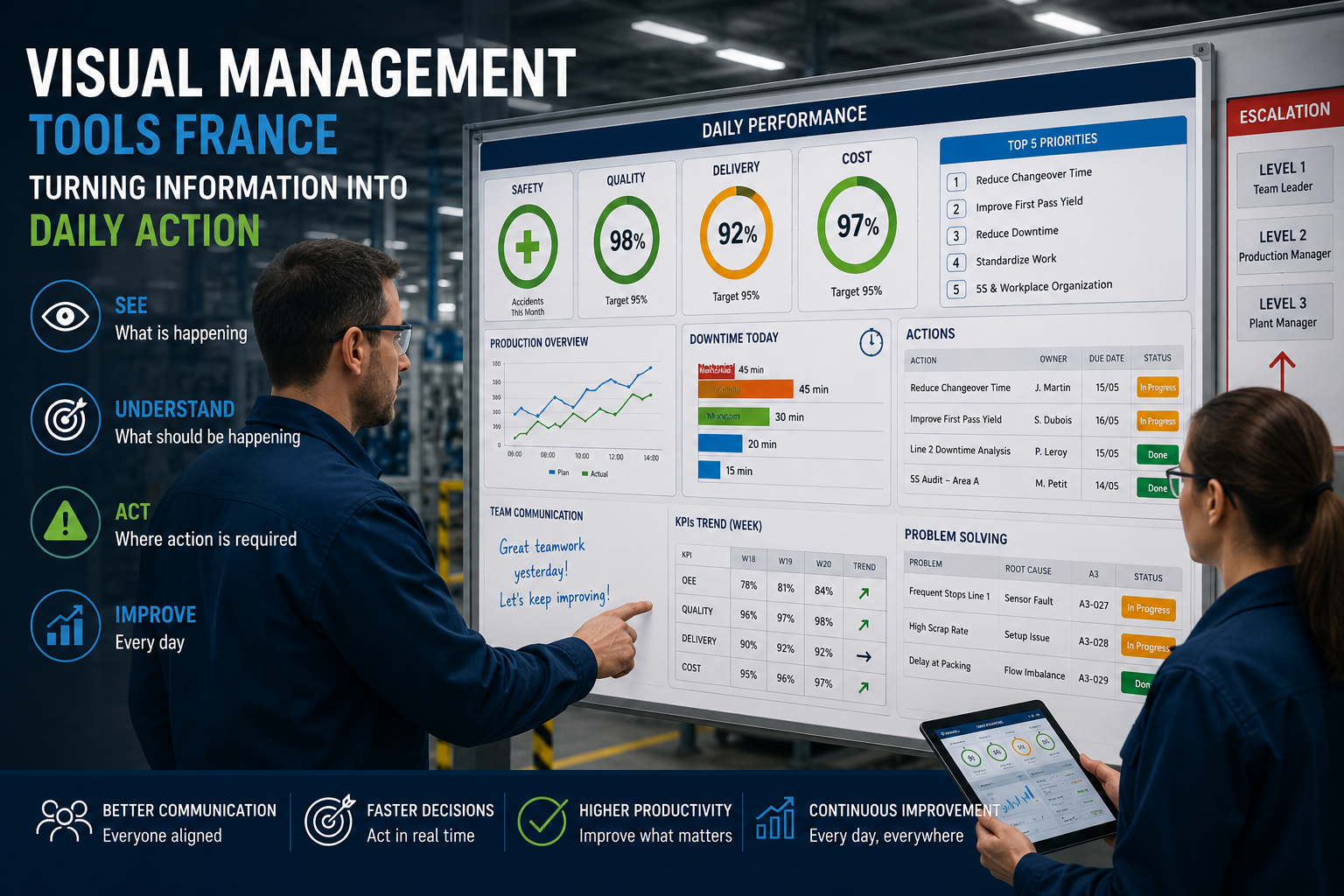
The core idea is simple: small, incremental improvements made consistently by everyone lead to massive long-term success. Teams use visual management boards, daily huddles, and clear performance indicators to ensure transparency, accountability, and real-time decision-making.
The Core Principles of Daily Management System
- Standardization of Processes
Japanese organizations rely heavily on standard work clear, repeatable procedures that everyone follows. This ensures that deviations are easily spotted and corrected, laying a solid foundation for improvement. - Visual Management
Transparency is key in the Daily Management System in Japan. Visual boards display metrics like production targets, quality levels, and safety indicators. This makes performance visible and actionable at a glance. - Problem-Solving at the Source (Gemba)
Problems are addressed where they occur. Teams gather at the Gemba, the actual place where work happens, to identify root causes rather than just treating symptoms. - Continuous Improvement (Kaizen)
The concept of Kaizen ensures that all employees, regardless of rank, are encouraged to suggest and implement improvements. This culture of ownership keeps innovation flowing. - Leadership Involvement
Leaders in Japanese organizations don’t just delegate; they actively participate in daily reviews. They mentor, guide, and remove barriers, ensuring the team can achieve its daily objectives.
How Daily Management System Japan Enhances Team Performance
The Daily Management System Japan drives performance through clarity, collaboration, and accountability. Daily meetings or “huddles” ensure everyone understands current priorities and obstacles. Teams identify issues early and act before they escalate, preventing delays and quality problems.
Because data is visible and standardized, employees feel empowered to take responsibility for results. This increases engagement and fosters a sense of purpose across all levels of the organization. Over time, these consistent actions build a resilient culture where excellence becomes the norm rather than the exception.
Daily Management System and Continuous Improvement
Continuous improvement isn’t just a process, it’s a mindset. The Daily Management System Japan embeds this mindset into every routine. When every team member is trained to recognize waste, inefficiency, or opportunities for optimization, the organization evolves naturally.
Small improvements accumulate quickly. For instance, reducing machine setup time by just five minutes per day might not seem impactful, but across a year, it can lead to hours of regained productivity. This compounding effect is what makes Japan’s daily management system such a powerful engine for sustained growth.
Implementing the Daily Management System in Global Companies
Many global businesses have started adapting the Daily Management System Japan to their operations. The key is to focus on three pillars: visibility, accountability, and communication.
- Visibility: Use digital or physical boards to display key performance indicators (KPIs), project timelines, and targets.
- Accountability: Assign clear ownership for each metric. Everyone should know who is responsible for what outcome.
- Communication: Encourage daily team meetings to review progress, discuss challenges, and plan actions.
However, success depends on commitment. Leaders must be consistent in reinforcing the system, celebrating small wins, and training teams to identify and solve problems proactively.

How Performance Storyboard Supports Daily Management Excellence
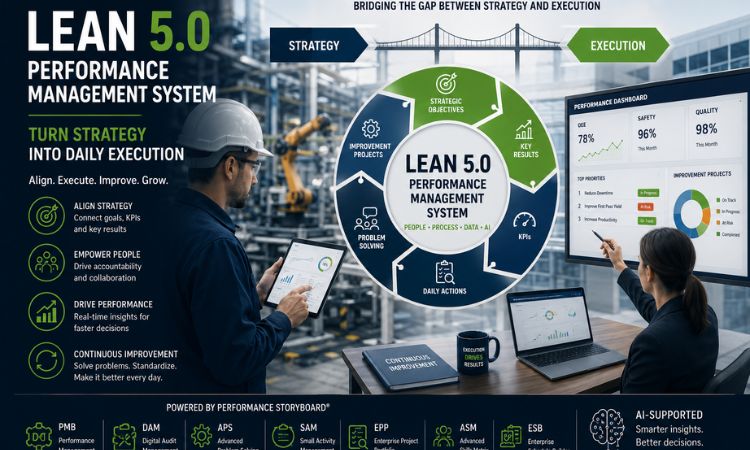
Implementing a structured management system can seem daunting, especially across multiple teams or locations. That’s where Performance Storyboard helps. Designed to support lean operations and continuous improvement initiatives, this platform digitizes the essence of the Daily Management System in Japan.
With Performance Storyboard, organizations can visualize performance data, track actions, and ensure alignment from the frontline to top management. The platform replaces manual boards with interactive dashboards, making updates easier and insights faster. It bridges the gap between traditional Japanese management methods and modern digital workflows a perfect blend of discipline and innovation.
Conclusion
The Daily Management System Japan remains one of the most effective management philosophies in the world. Its focus on discipline, teamwork, and daily accountability has helped Japanese companies achieve world-class standards in quality and productivity.
By integrating these proven principles with modern technology through Performance Storyboard, global organizations can create a culture where continuous improvement and team performance thrive together. In today’s competitive world, that daily commitment to excellence is what sets truly great companies apart.