To achieve maximum equipment availability, reduce operational losses, and control costs, leading manufacturing companies no longer rely on reactive maintenance. Instead, they invest in preventive strategies that ensure operational reliability, extend asset life, and increase safety across the production line.
Three Types of Preventive Maintenance
- Systematic preventive maintenance is based on predefined time intervals or usage cycles. It is a traditional yet reliable approach that depends on a well-structured and consistent maintenance plan.
- Condition-based preventive maintenance is triggered by real-time monitoring of specific parameters (such as temperature, vibration, or pressure) and enables action at the first sign of abnormality.
- Predictive maintenance leverages advanced data analytics and artificial intelligence to anticipate failures before they happen.
Each approach offers distinct advantages but also presents challenges — and in practice, they are often used in combination.
Key Challenges in Preventive Maintenance Execution
Even well-designed preventive maintenance systems face common issues:
- Varying skill levels among maintenance personnel, resulting in inconsistent task execution.
- Outdated or unclear procedures, making standardization and repeatability difficult.
- Lack of traceability in task completion, hindering performance monitoring.
- Poor knowledge transfer between shifts or teams, limiting continuous improvement.
- Disconnection between maintenance and other key departments such as production, quality, or investment planning.

What Makes Systematic Preventive Maintenance Effective?
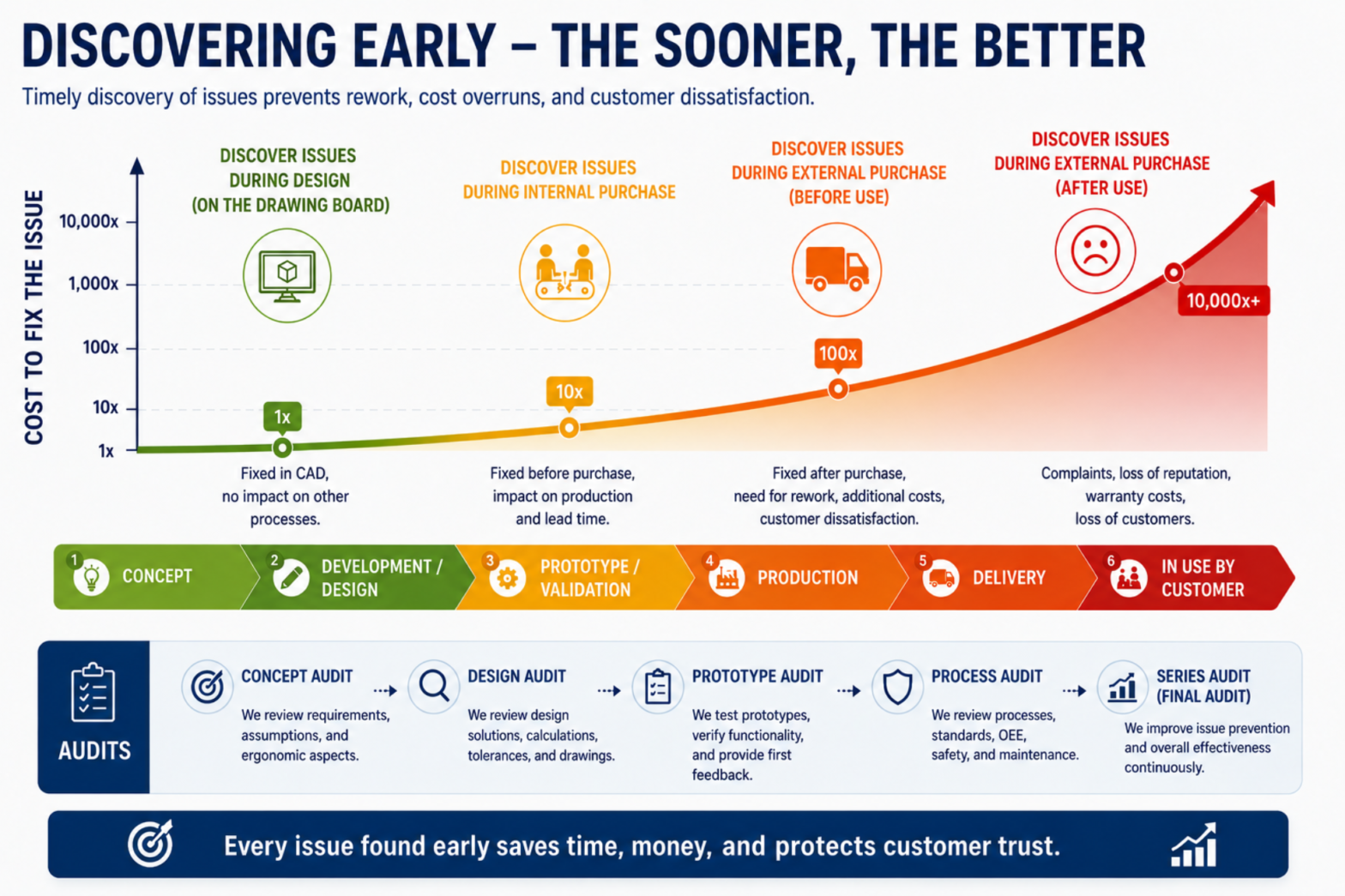
An effective preventive maintenance system is built on a realistic and risk-based plan that reflects equipment needs, available resources, and asset criticality. Execution must then be systematically controlled and audited with a focus on:
- task timing and intervals,
- quality of work performed,
- use of correct tools and spare parts,
- identification of anomalies or deviations during interventions.
This approach not only ensures sustainability of results but also supports continuous improvement. Any new insight — whether it relates to equipment condition, procedural efficiency, or organizational gaps — should drive improvements in planning, methods, training, or leadership.
Digital Tools That Power Preventive Maintenance
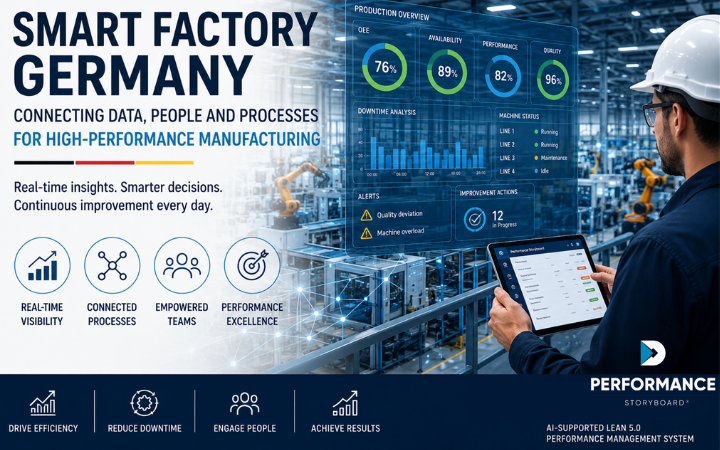
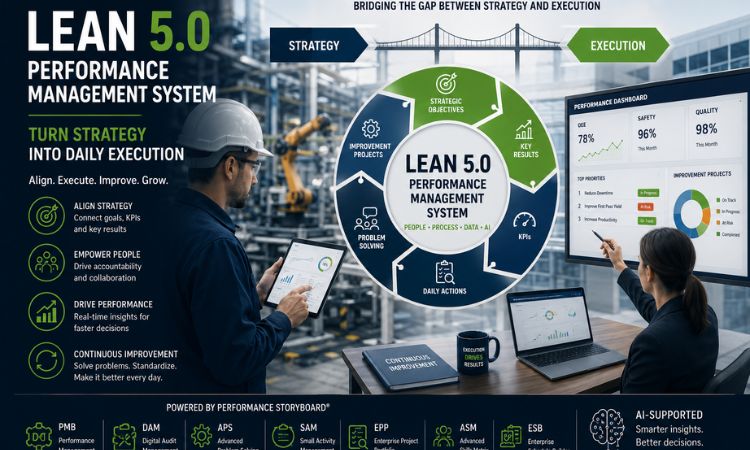
Modern preventive maintenance is no longer feasible without digital support. At DEMETRA Lean Way, we rely on two key modules from the Performance Storyboard platform:
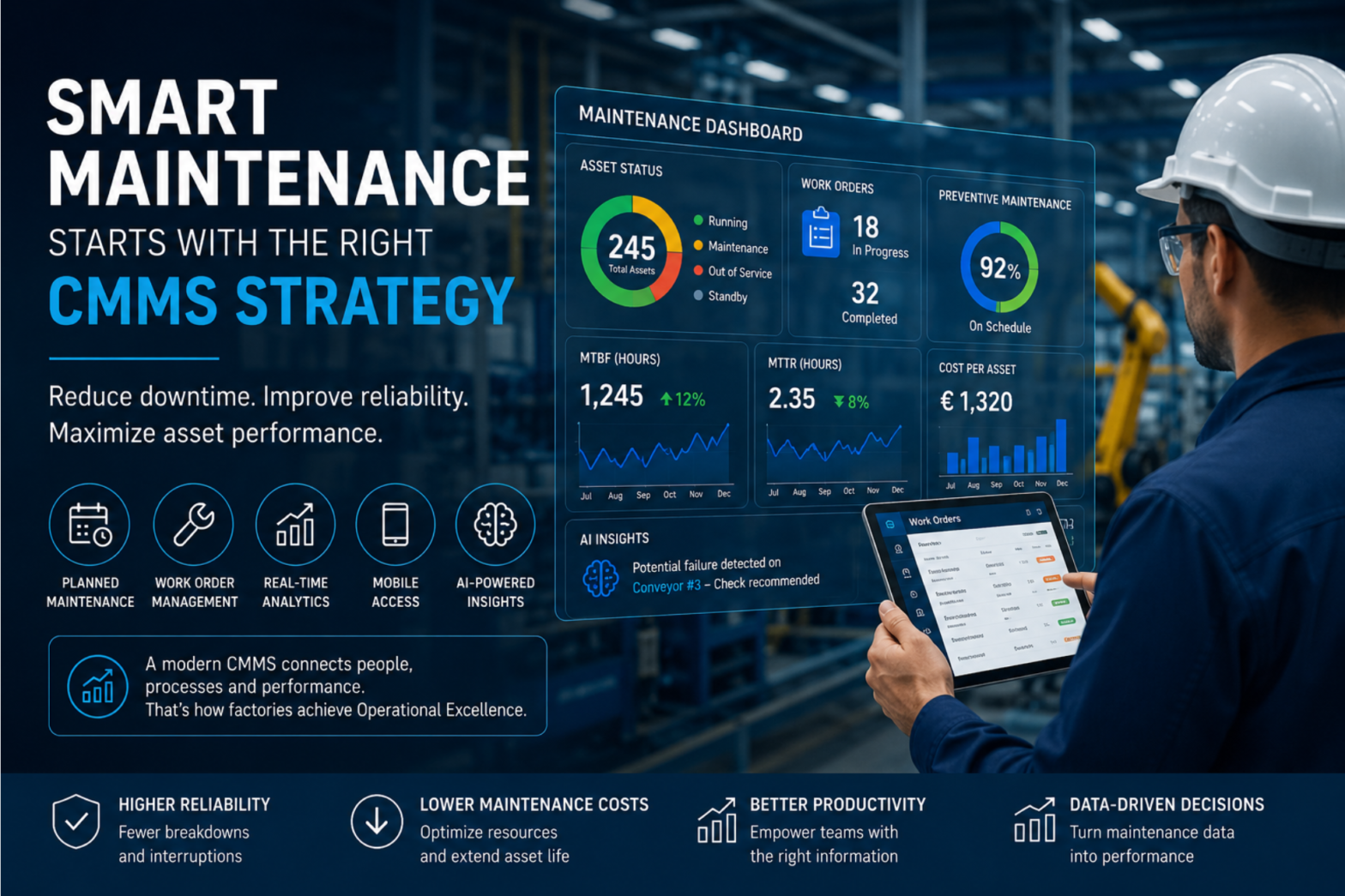
- TMM (Total Maintenance Management): A central CMMS (Computerized Maintenance Management System) solution for scheduling, executing, and tracking all maintenance activities.
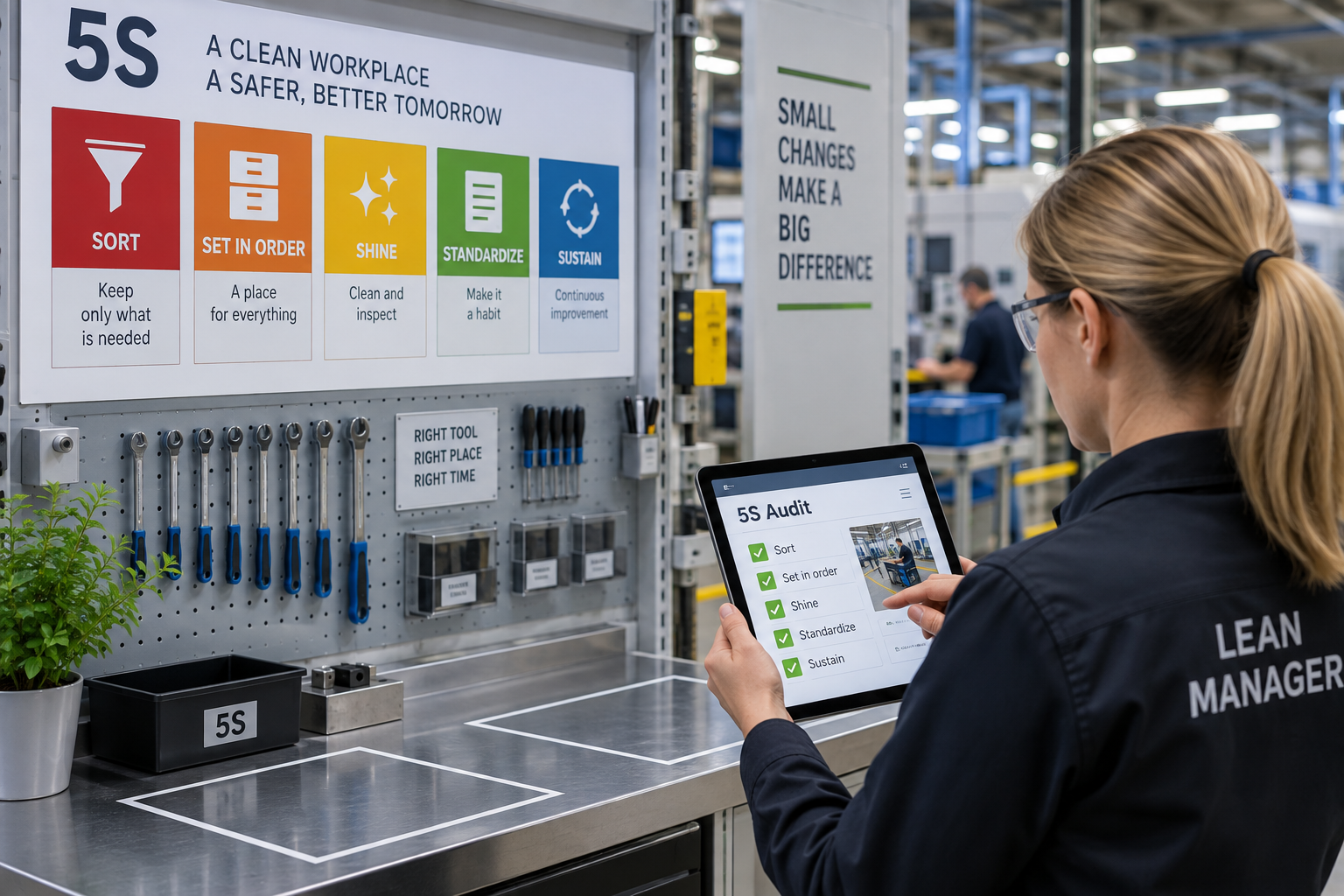
- DAM (Daily Audit Management): A powerful module for controlling and evaluating task execution quality, with features such as digital checklists, audit trails, and compliance monitoring.
These tools are further enhanced by AI capabilities integrated in DAM, which enable:
- detection of anomalies in task execution or equipment conditions,
- evaluation of risks based on historical and real-time data,
- recommendations for optimal actions to mitigate risks and optimize planning.
By systematically auditing preventive maintenance activities through the DAM application, companies can significantly increase the quality, effectiveness, and accountability of their maintenance processes.

The PDCA Cycle as a Framework for Growth
The preventive maintenance process should follow the PDCA (Plan–Do–Check–Act) cycle:
- Plan: Build a data-driven, realistic maintenance plan.
- Do: Execute tasks on schedule and according to standards.
- Check: Analyze performance, deviations, and anomalies.
- Act: Implement targeted improvements based on findings.
By adhering to this cycle, preventive maintenance becomes a structured, traceable, and continuously evolving process — one that delivers measurable value and supports operational excellence across the organization.