
Every production manager knows the situation: a company invests in new machines, introduces digital systems, and tracks numerous KPIs, yet production results still fail to meet expectations.
The reason is often not technology — but the way the production system is managed.
A large share of improvement potential is still hidden in everyday processes: in downtime, lost time, unclear responsibilities, or a lack of visibility into what is actually happening on the shop floor.
For this reason, production line optimization is becoming one of the most important strategic priorities for industrial companies in 2026.
It is no longer just about producing more. The focus is shifting toward process stability, better utilization of existing resources, and the ability to react faster to changes in the market.
Why Production Optimization Is Becoming a Key Topic
Global Manufacturing Trends companies today face several challenges at the same time:
- unstable supply chains
- shortages of skilled workers
- rising energy and material costs
- increasingly demanding customers
In such an environment, companies can no longer improve results simply by increasing production volumes.
Much greater impact comes from better utilization of existing production capacity.
Analyses often show that the actual efficiency of production lines is significantly below their technical potential. A considerable share of time is lost due to waiting, unplanned downtime, recurring problems, or inefficient processes.
This means that many companies already have their greatest improvement potential inside their own operations.
Key Trends Shaping the Future of Manufacturing
Connecting Lean Management with Digital Technologies
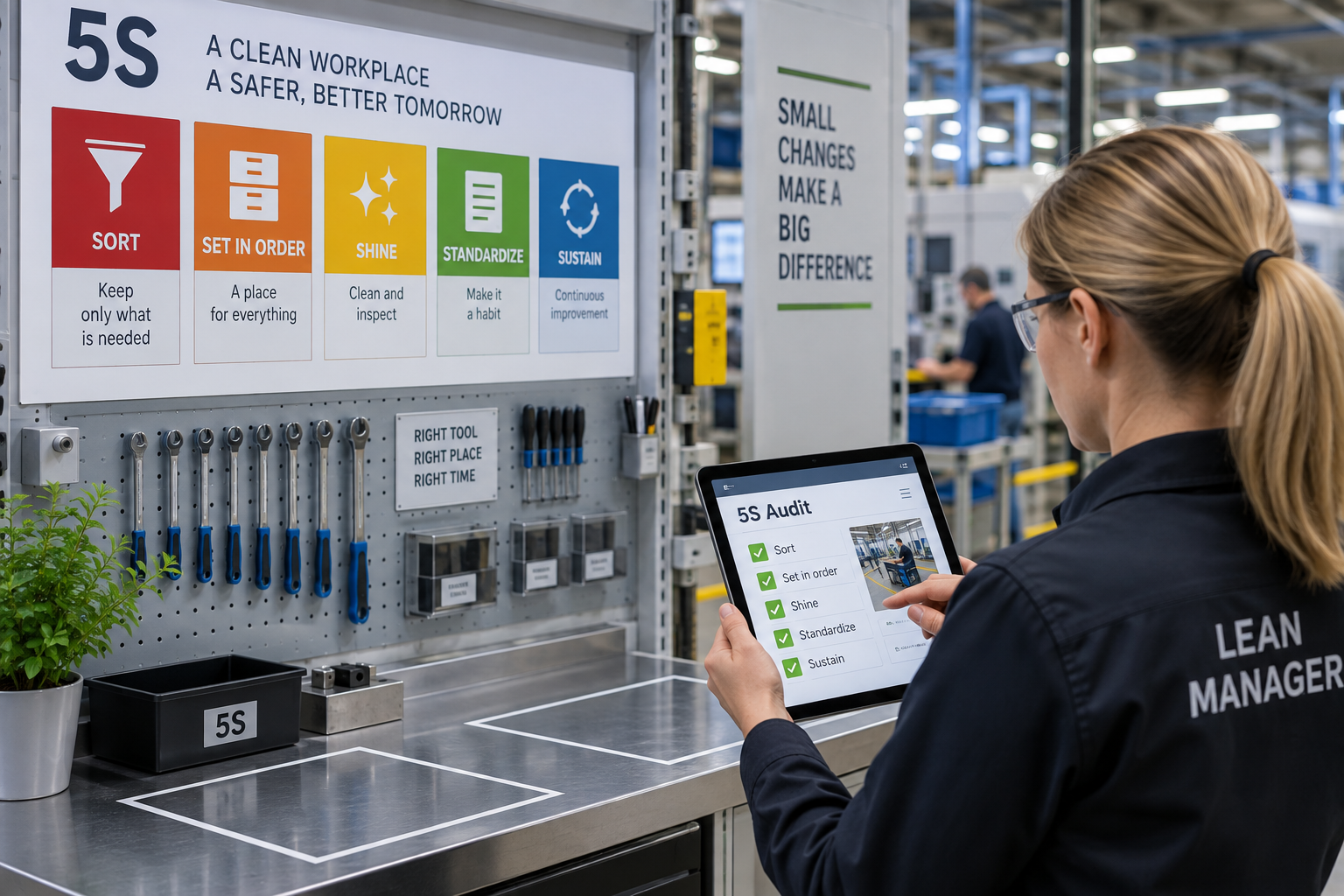
Lean management remains the foundation of operational improvement in manufacturing.
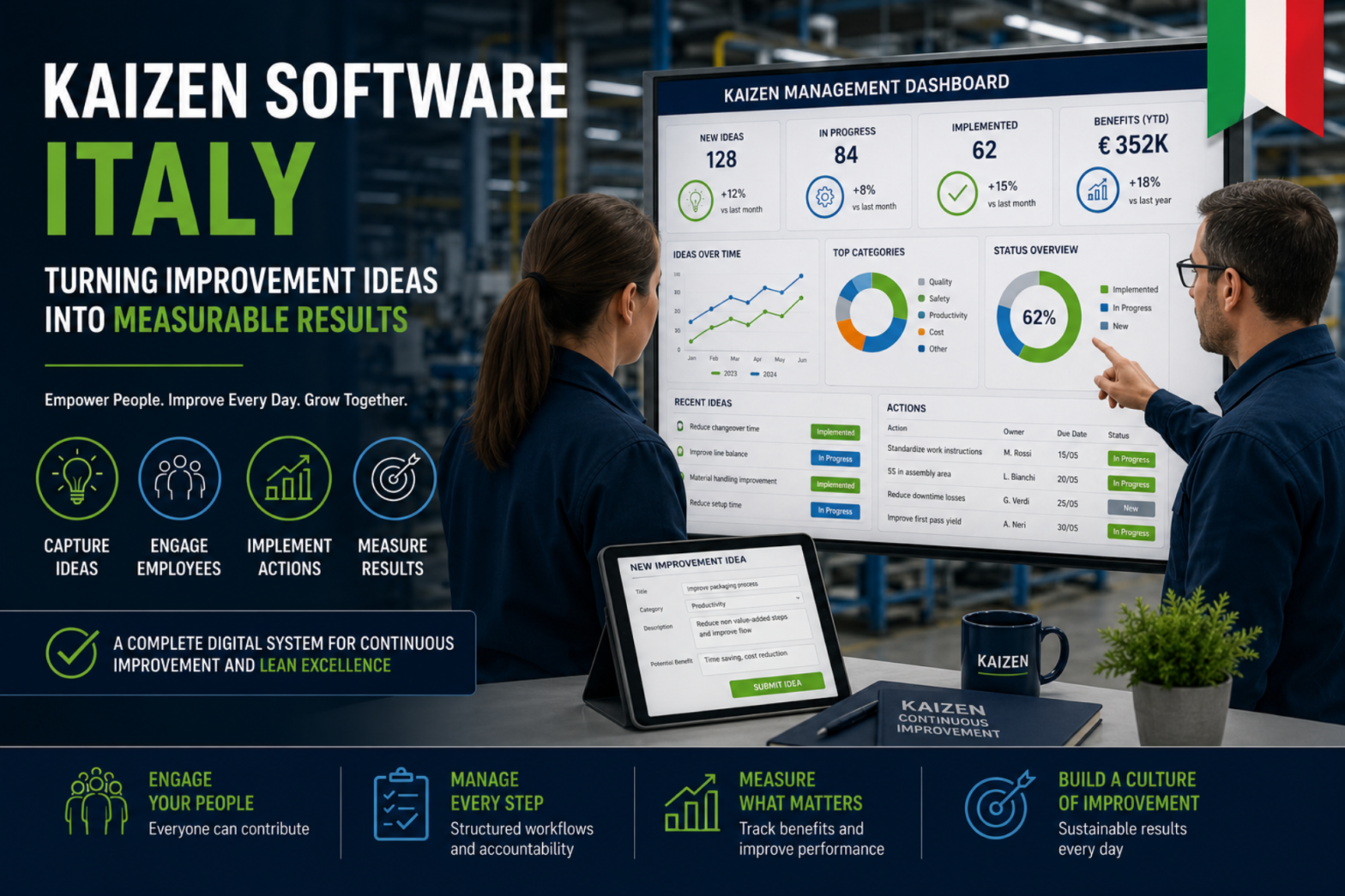
Practices such as continuous improvement (Kaizen), structured problem solving, and equipment reliability methods like TPM help organizations eliminate losses and stabilize production processes.
When supported by digital tools, these methods become faster, more transparent, and easier to sustain across the organization.
Instead of relying on fragmented data and manual reporting, companies can connect information from production, maintenance, quality, and improvement activities into a single operational system.
This enables teams to identify:
- sources of losses
- recurring issues
- deviations from standards
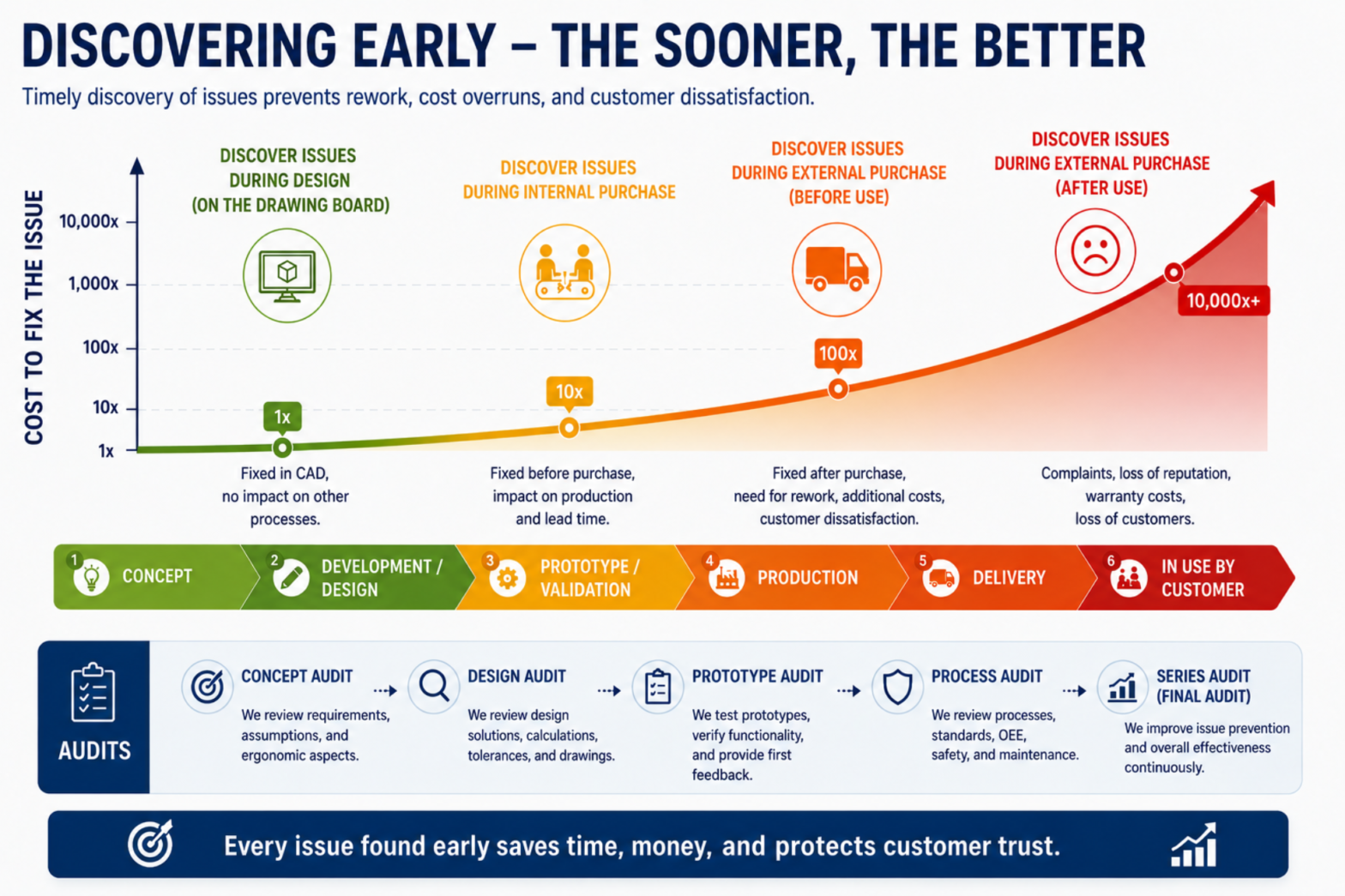
Much earlier — and act on them more effectively.
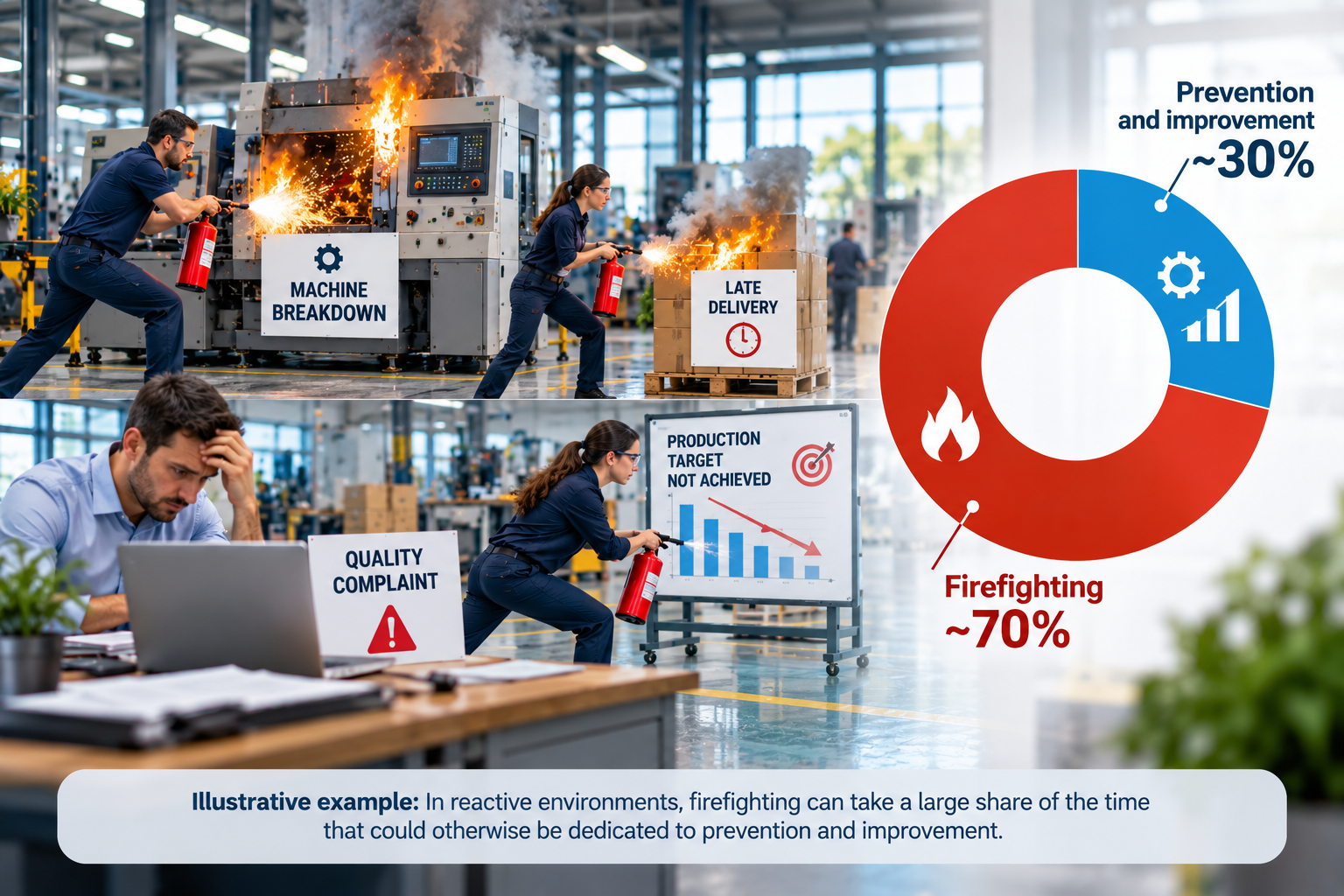
As a result, process optimization shifts from reactive “firefighting” to systematic, data-driven improvement.
Greater Transparency in Production Processes
One of the biggest challenges in manufacturing is often the lack of transparency in processes.
Data usually exist, but they are scattered:
- in Excel spreadsheets
- across multiple IT systems
- in manual reports or personal notes
Because of this fragmentation, it can take days or even weeks to fully understand what is happening in production.
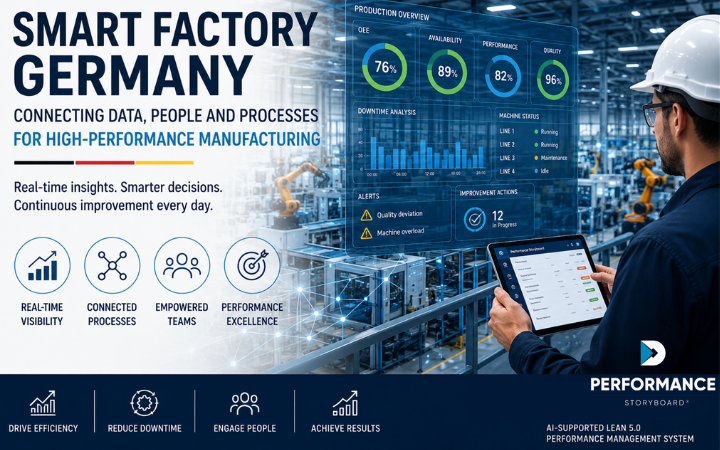
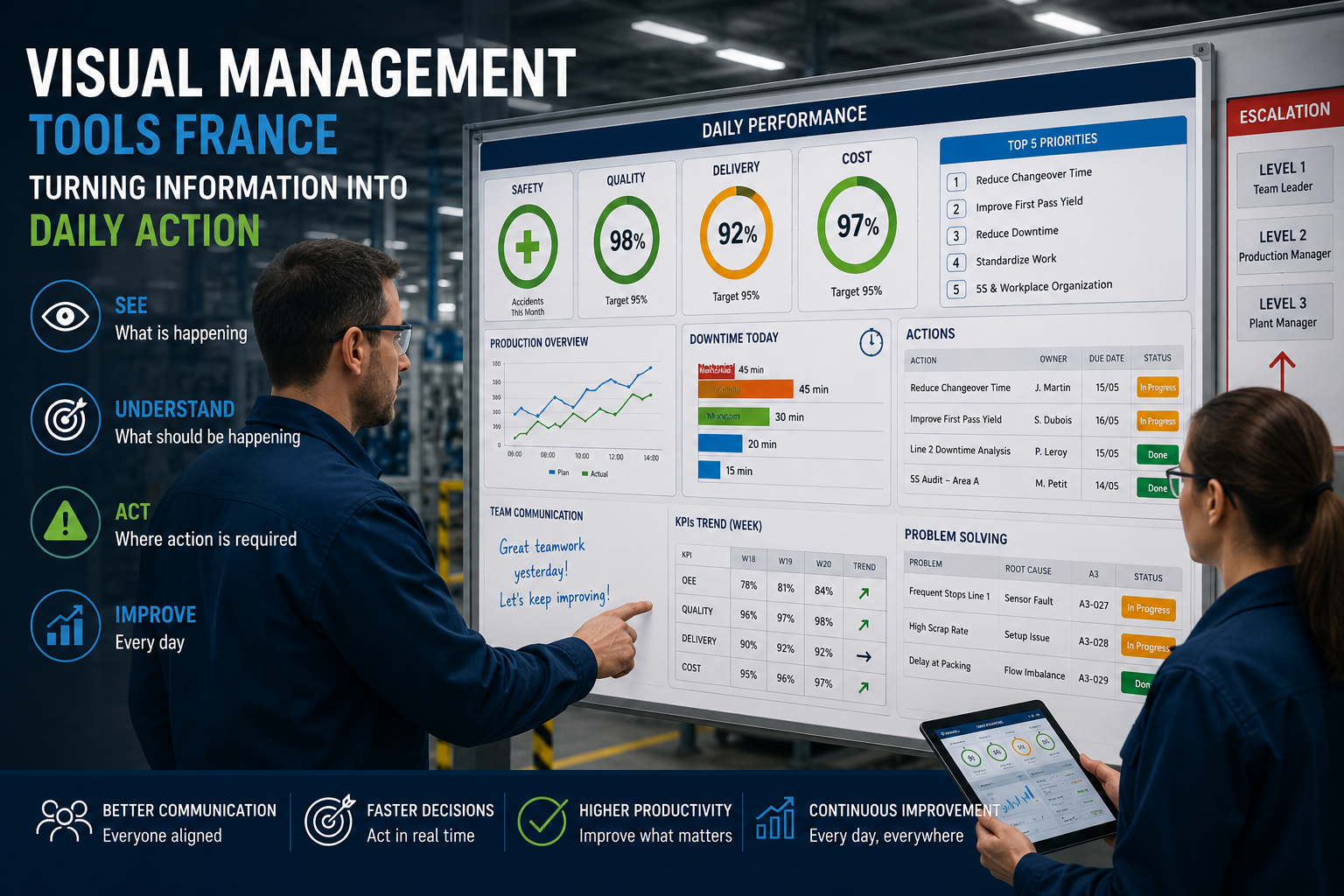
For this reason, companies increasingly introduce systems that provide real-time visibility into production performance.
This includes:
- monitoring OEE (Overall Equipment Effectiveness)
- digital KPI tracking
- integration between systems such as ERP, MES, and other production platforms
When key indicators become visible in real time, production managers can react much faster to:
- downtime on production lines
- declining performance
- quality issues
This improved transparency significantly reduces reaction times and enables more proactive decision-making.
Structured Problem Solving
Another important trend in manufacturing is the growing use of structured problem-solving methods.
Many organizations implement approaches such as:
These methods help teams go beyond quick fixes and focus on identifying the real root causes of problems.
When used consistently, structured problem solving reduces recurring issues and creates a stronger foundation for continuous improvement.

The Growing Importance of Equipment Reliability
Unplanned downtime remains one of the most significant sources of loss in manufacturing environments.
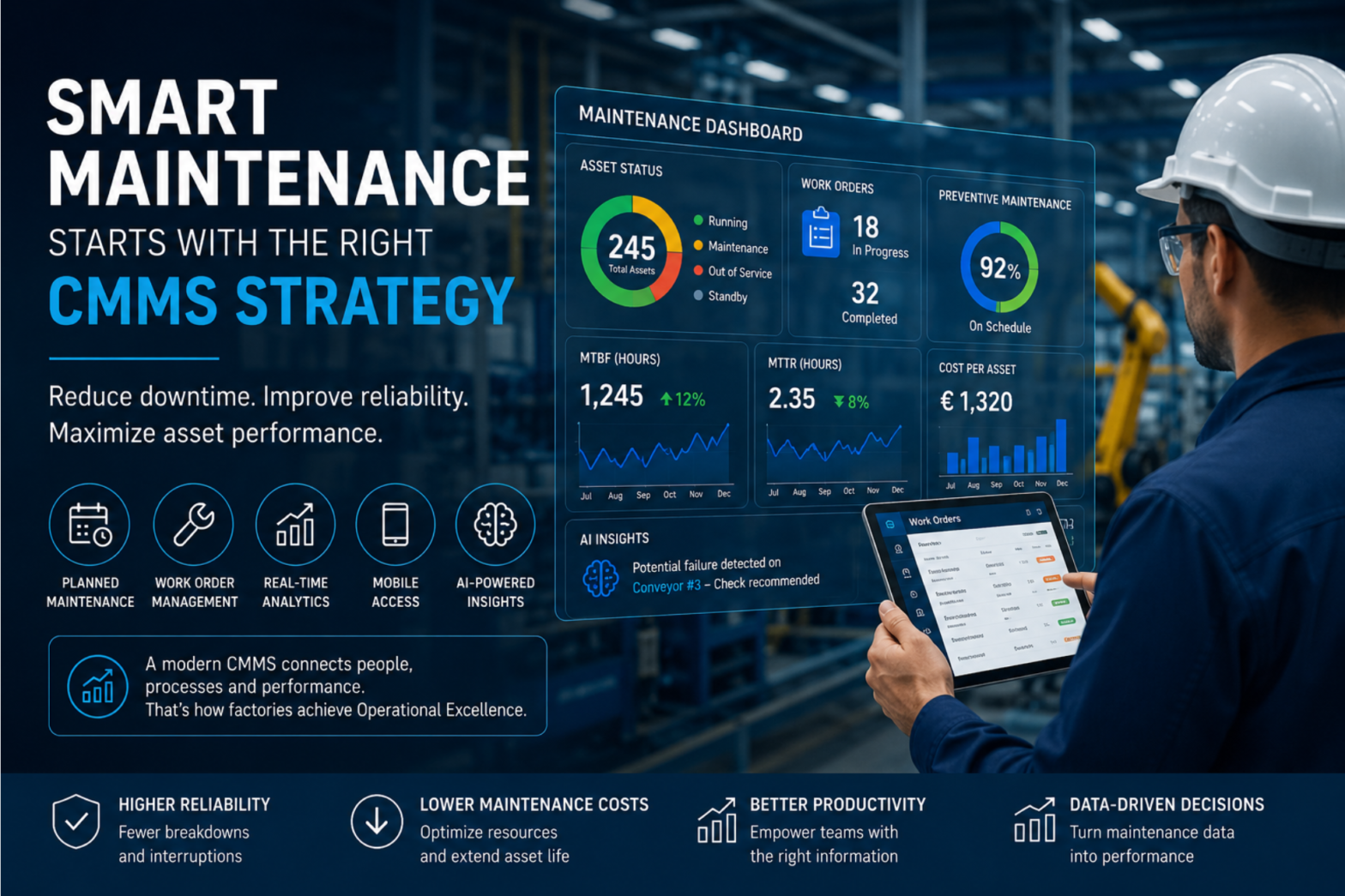
For this reason, many companies increasingly adopt systematic approaches to equipment reliability and maintenance management.
Practices such as preventive maintenance, operator involvement in equipment care, and reliability-focused improvement initiatives help reduce failures and improve production stability.
These activities directly influence performance indicators such as OEE, which measures production effectiveness through:
- equipment availability
- production performance
- product quality
Improving reliability therefore becomes an important element of overall production optimization.
Developing Employee Competencies
Technology alone does not create results.
The greatest improvements in manufacturing companies often occur when employees at all levels actively participate in improvement processes.
This includes:
- developing employee competencies
- increasing operator responsibility for processes and equipment
- involving teams in continuous improvement activities
When companies successfully build this culture, process optimization becomes part of everyday work — not just an occasional improvement project.
Conclusion
Global manufacturing trends clearly point in one direction.
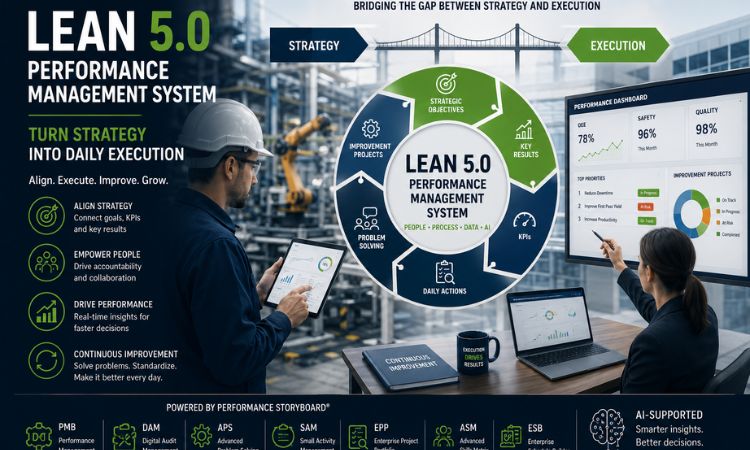
The greatest progress does not come from a single technology, but from the combination of Lean management principles, digital tools, and employee engagement.
Production optimization is therefore becoming much more than a way to improve efficiency.
It is becoming a strategic capability that enables companies to build stable, flexible, and resilient production systems ready to respond to future challenges.
Key Takeaways
1️⃣The greatest improvement potential often lies within existing processes.
Companies can significantly improve results by better managing losses — even without major investments.
2️⃣Digital tools are most effective when they support Lean management practices.
Technology alone does not deliver results. The key is combining methods, data, and operational discipline.
3️⃣ Successful manufacturing connects people, processes, and technology.
Organizations that integrate these elements into a coherent management system create more stable and adaptable production environments.