In manufacturing, the difference between companies becomes visible very quickly. Within the first hours of the day, it is clear whether an organization operates in a stable, controlled manner — or simply survives from shift to shift. With Lean 4.0, manufacturers combine lean principles with digital technologies to improve efficiency, reduce waste, and maintain a stable, data-driven production environment.
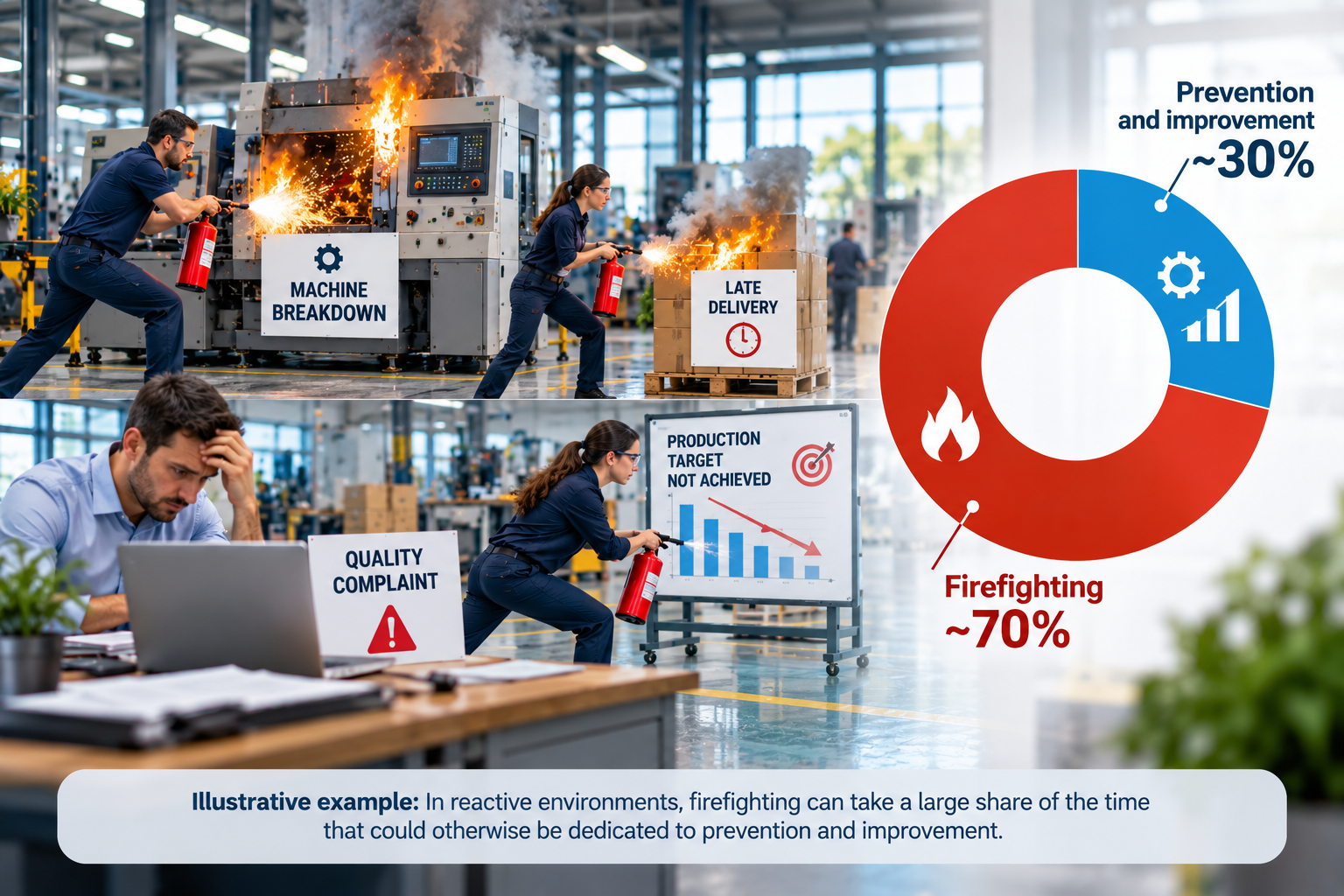
In some companies, leaders begin the day by resolving breakdowns, delays, complaints, and coordination issues. A significant share of energy goes into immediate interventions. Firefighting consumes 40% of the time or more. Work gets done — but under constant pressure.
Elsewhere, the dynamic is different. Problems still occur, but they are not surprises. Processes are stable. Responsibilities are clear. Improvements happen systematically. Firefighting drops below 20%, and energy shifts toward development.
This difference is not a matter of luck or industry.
It is a matter of organizational maturity.
What Organizational Maturity Really Means
Organizational maturity is the ability of a company to operate in a stable, predictable, and long-term oriented way. It does not mean perfection. It means system robustness.
Companies with traditional management structures may implement Lean activities, train Lean managers, and standardize selected processes. Yet the system as a whole often remains fragmented. When a major deviation occurs, the organization quickly returns to crisis mode.
Companies that achieve operational excellence think differently:
- Standards are not documents — they are daily practice.
- Improvements are not projects — they are routine.
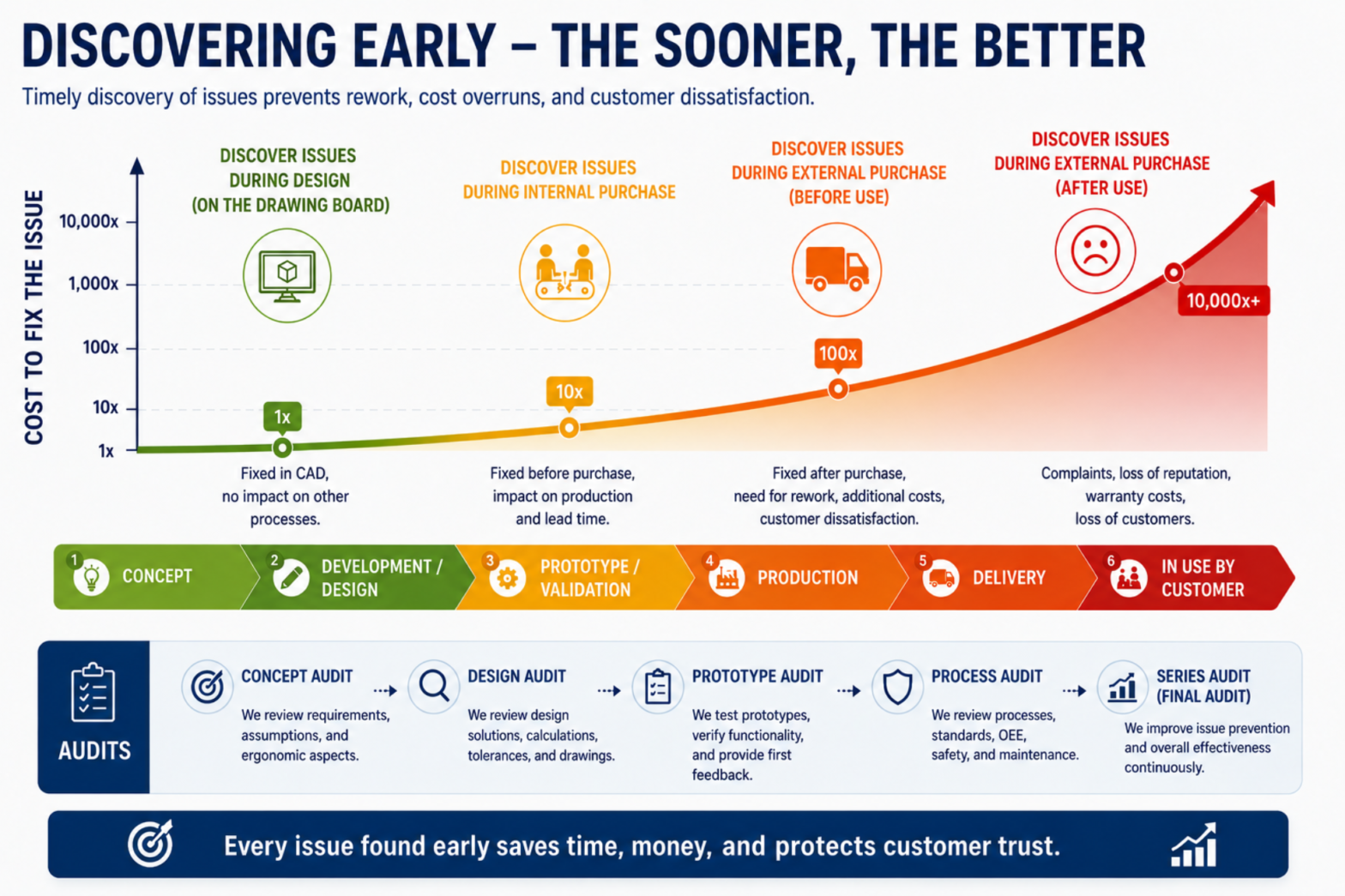
- Leaders do not solve symptoms — they build systems that prevent recurrence.
When Lean Maturity Is Not Enough
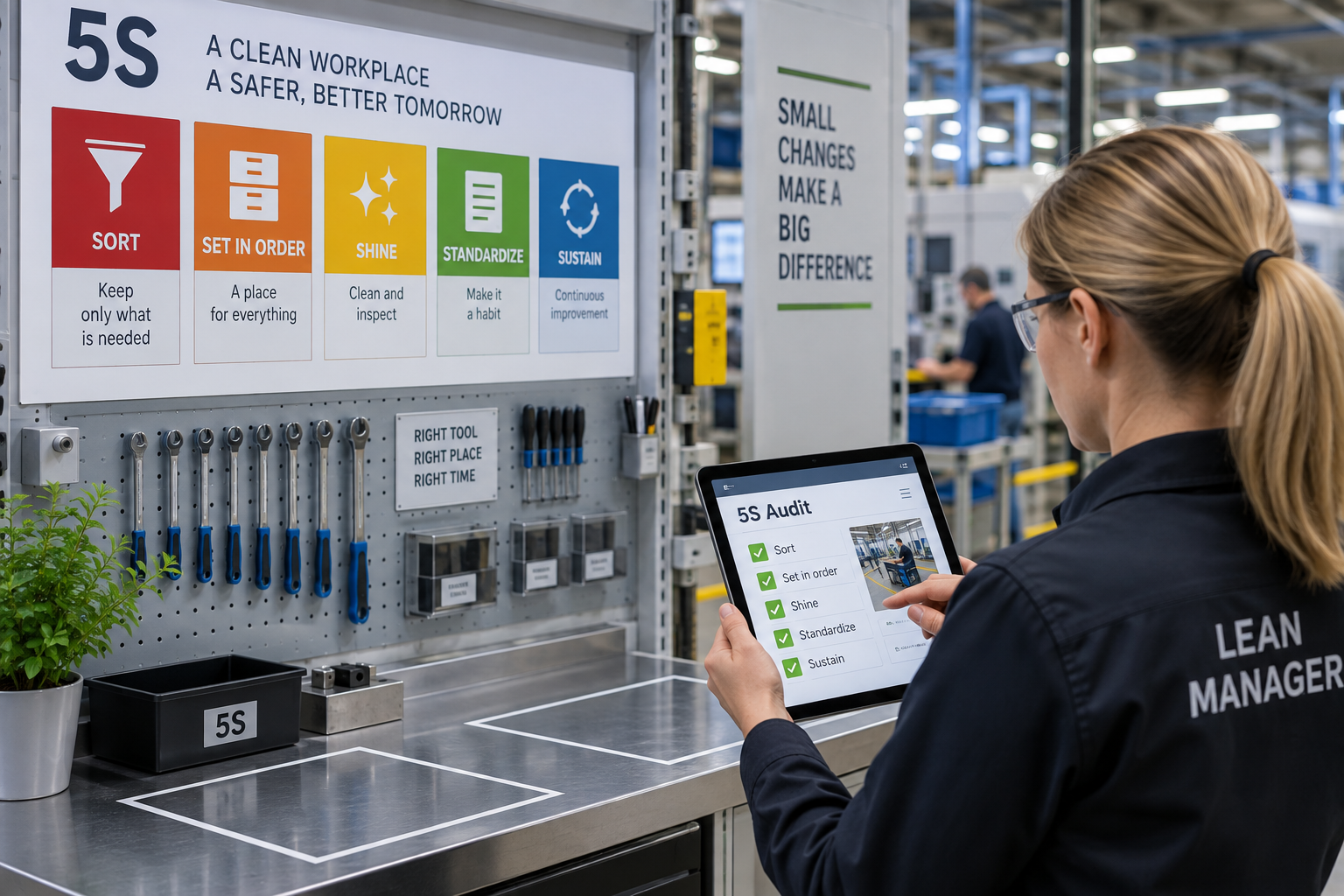
When discussing maturity, we typically think of Lean, OPEX, TPS, 5S, TPM. Many organizations have made significant progress in these areas. They apply structured problem-solving, measure OEE, run TPM routines, and foster a culture of improvement.
Competence exists. Culture exists.
But digitalization introduces a new dimension.
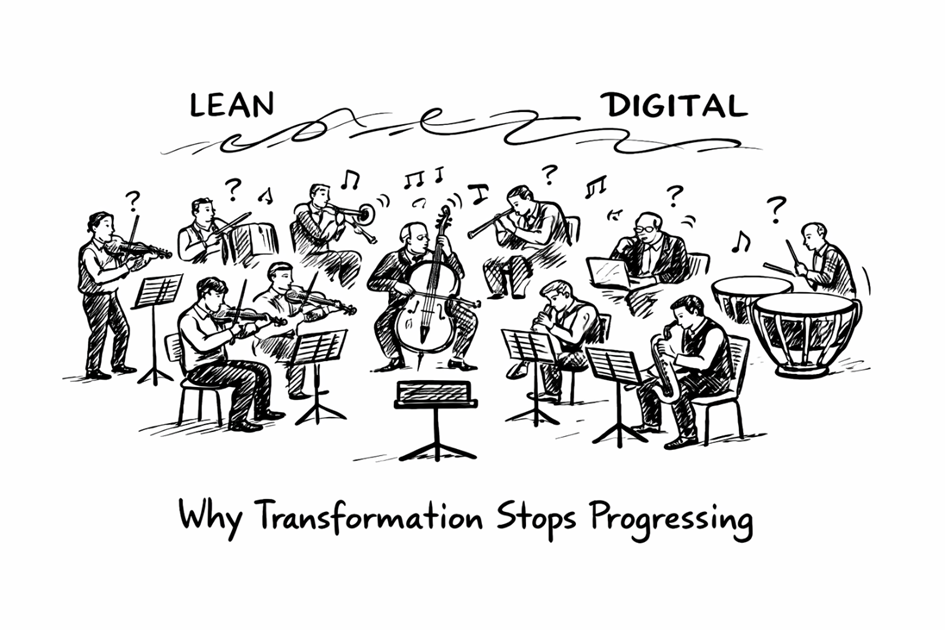
A company may be highly mature in process thinking — yet digitally weak. Lean or OPEX leaders may master methodology but lack digital competence. As a result, they implement solutions they know and feel comfortable with. More advanced digital approaches remain unused.
Digital transformation therefore often stalls — not due to lack of software, but due to gaps in knowledge, mindset, and confidence in using modern tools.
Read more: Boost Productivity with Lean 4.0 Tools and Instant KPI Insights
The Real Breakthrough
A true shift occurs when two capabilities merge:
- Deep understanding of operational excellence
- High digital literacy among leaders
Without this combination:
- Digital tools remain isolated projects.
- Lean loses speed and transparency.
- Data is disconnected from decision-making.
- Improvements lack systemic support.
Digitalization without stable processes does not create sustainable results.
Lean without digital support loses integration and scalability.
Lean 4.0 as Integrated Maturity
Lean 4.0 is not digitalization alone.
It is the integration of organizational maturity and digital decision support.
It enables companies to objectively assess where they stand:
- Process stability
- Improvement culture
- Leadership discipline
- Level of digital integration
The goal is not classification.
The goal is clarity about the next step.
Sometimes that step is process-related.
Sometimes cultural.
Sometimes digital.
Where Performance Storyboard Fits
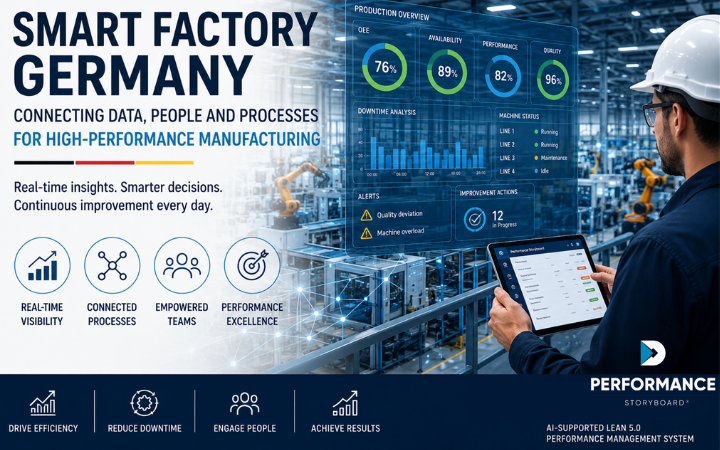
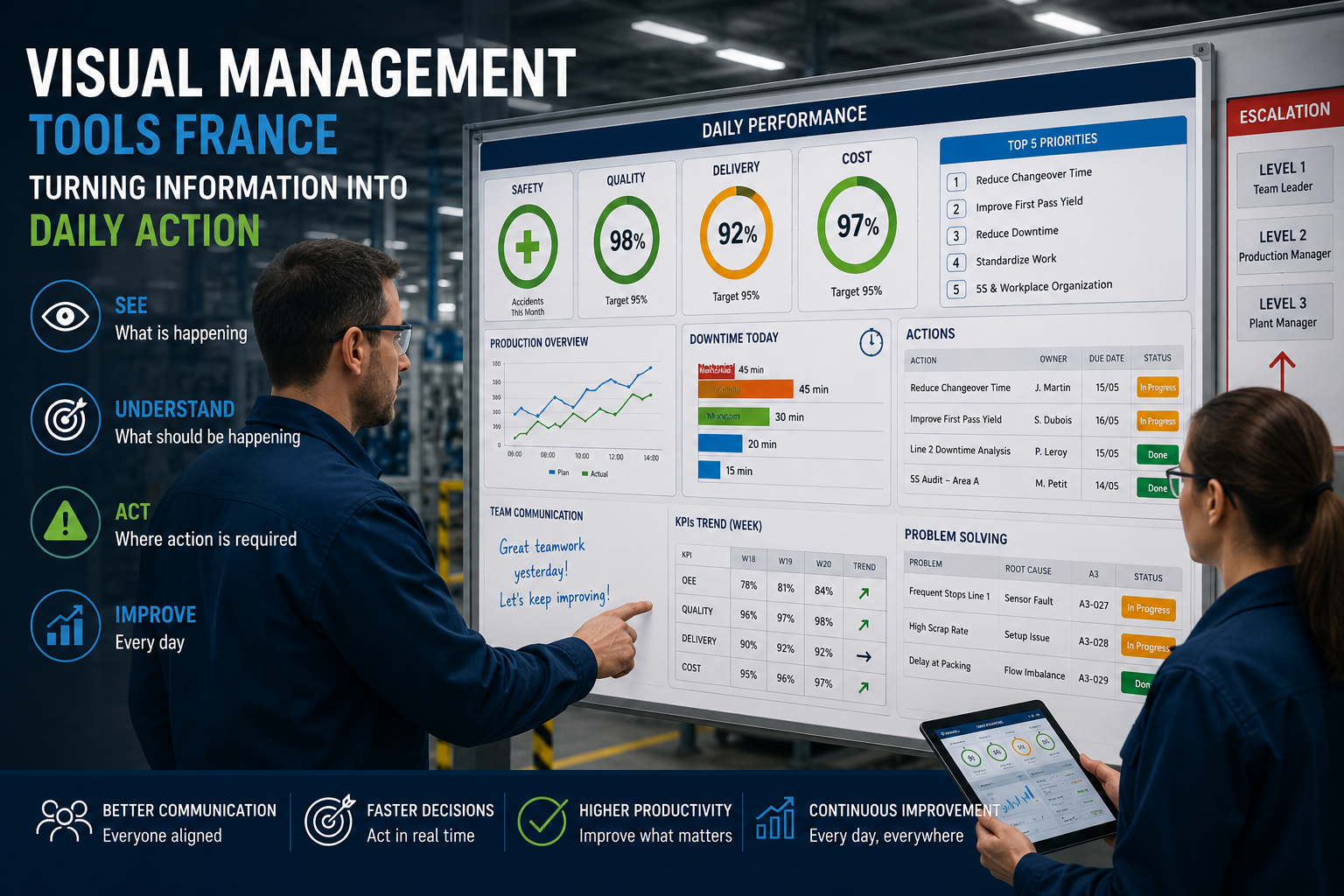
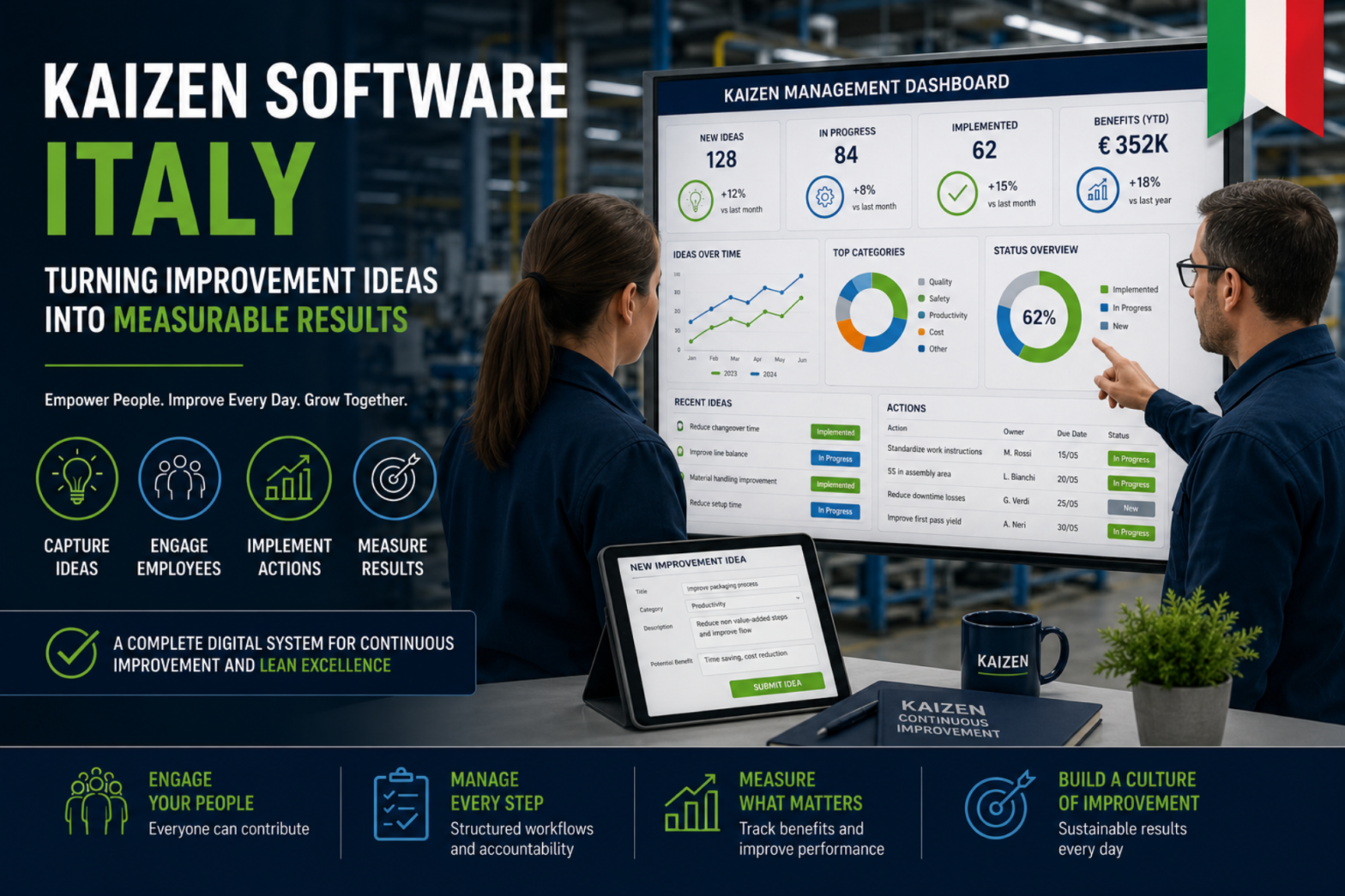
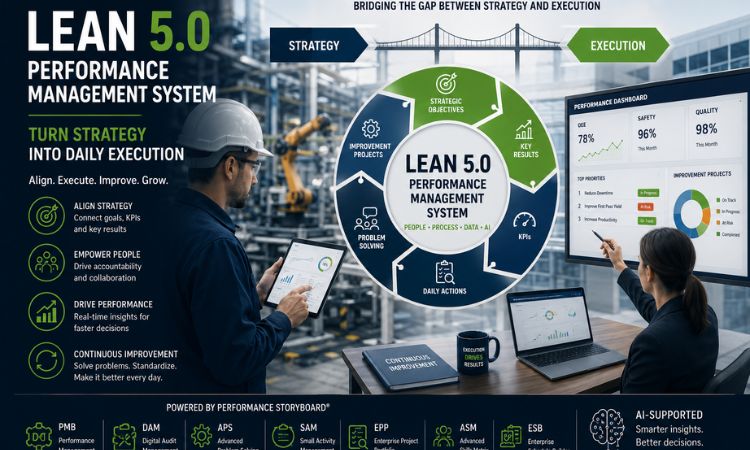
Performance Storyboard is a modular Lean Management System that connects strategy, KPIs, daily management, TPM routines, audits, structured problem-solving, and people development into one integrated digital framework.
It is used to operationalize Lean 4.0 by linking shopfloor reality with management decision-making, rather than focusing on isolated dashboards or tools.
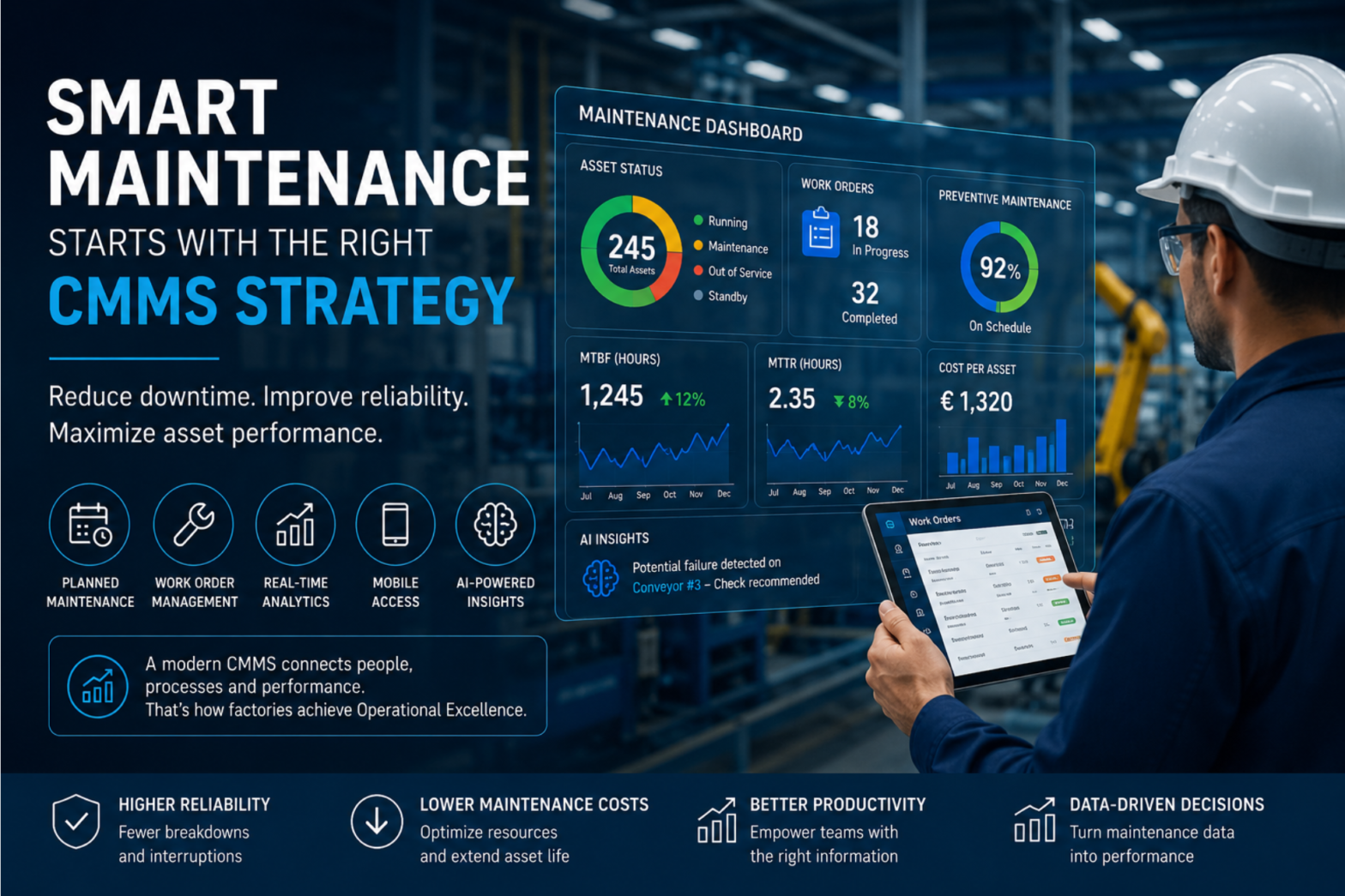
The platform supports TPM as part of daily management, ensuring planned maintenance, audits, and escalation are embedded into routine leadership processes.
Conclusion
Lean 4.0 excellence does not start with technology.
It starts with maturity.
But maturity today requires integration.
Companies that consciously develop both organizational robustness and digital execution capability move from reactive firefighting to proactive leadership.
That is where true Lean 4.0 operational excellence begins.