Multiskilling is often the most overlooked source of competitiveness. While companies invest heavily in machines, automation, and digitalization, it is people – with their versatility – who ultimately decide whether processes truly run without disruptions. When a key worker falls ill, order volumes spike, or unforeseen changes occur, the decisive factor is whether the company has a multiskilled workforce able to step into different roles, or whether it remains stuck with narrowly specialized tasks.
Beyond covering absences
At first glance, multiskilling seems like a convenient way to cover holidays, sick leaves, or unexpected absences. But when implemented systematically, it delivers far more. Multiskilled employees enable companies to quickly redeploy people where they are needed most. They stay more focused on new tasks, motivation increases, routines are reduced, and mistakes decrease. Efficiency improves, and the organization becomes more resilient to change.
There is also a health and safety dimension. Employees who perform exactly the same tasks for years are at higher risk of repetitive strain injuries and fatigue. Job rotation spreads ergonomic loads more evenly, resulting in fewer health issues and fewer sick leaves. Multiskilling therefore enhances not only productivity but also workplace wellbeing.
Job rotation – a long-term perspective
Multiskilling also includes structured job rotation. This is not just short-term substitution, but planned rotation of positions – for example, every five or six years.
The logic is simple: when starting a new role, employees feel motivated and challenged. They then reach a phase of peak efficiency when they fully master the work. If they remain in the same role for too long, stagnation occurs – motivation drops, errors increase, and innovation declines.
Planned job rotation keeps people in a continuous cycle of growth and development. It provides fresh challenges, broader understanding of company operations, and new perspectives on everyday tasks.
What it looks like in practice
In manufacturing, a multiskilled operator may run a machine one week, perform quality checks the next, and occasionally assist in packaging. If someone is absent, production continues. If order volumes rise, the supervisor can quickly reassign people. The worker, meanwhile, is not exposed to the same repetitive motions, lowering the risk of injury and maintaining higher attention and motivation.
In administration, if one employee only handles invoicing, another only reporting, and a third only supplier communication, the absence of one quickly causes delays. If several people cover different functions, work flows smoothly, collaboration improves, and everyone gains a clearer understanding of the business as a whole.
In services, for example in a hotel, staff who can switch between reception, service, and basic support tasks provide guests with a better experience and create stronger team cohesion.
Why critical competency management is key
Multiskilling does not happen by chance. It requires systematic and critical competency management. Too often, companies create competency matrices only to satisfy auditors. These documents end up in binders or on noticeboards but do not support real decision-making.
When matrices are not “alive,” problems emerge only in critical moments – when someone falls ill, leaves the company, or when sudden peaks in demand occur. The price companies pay is inefficiency, delays, and long-term loss of competitiveness.
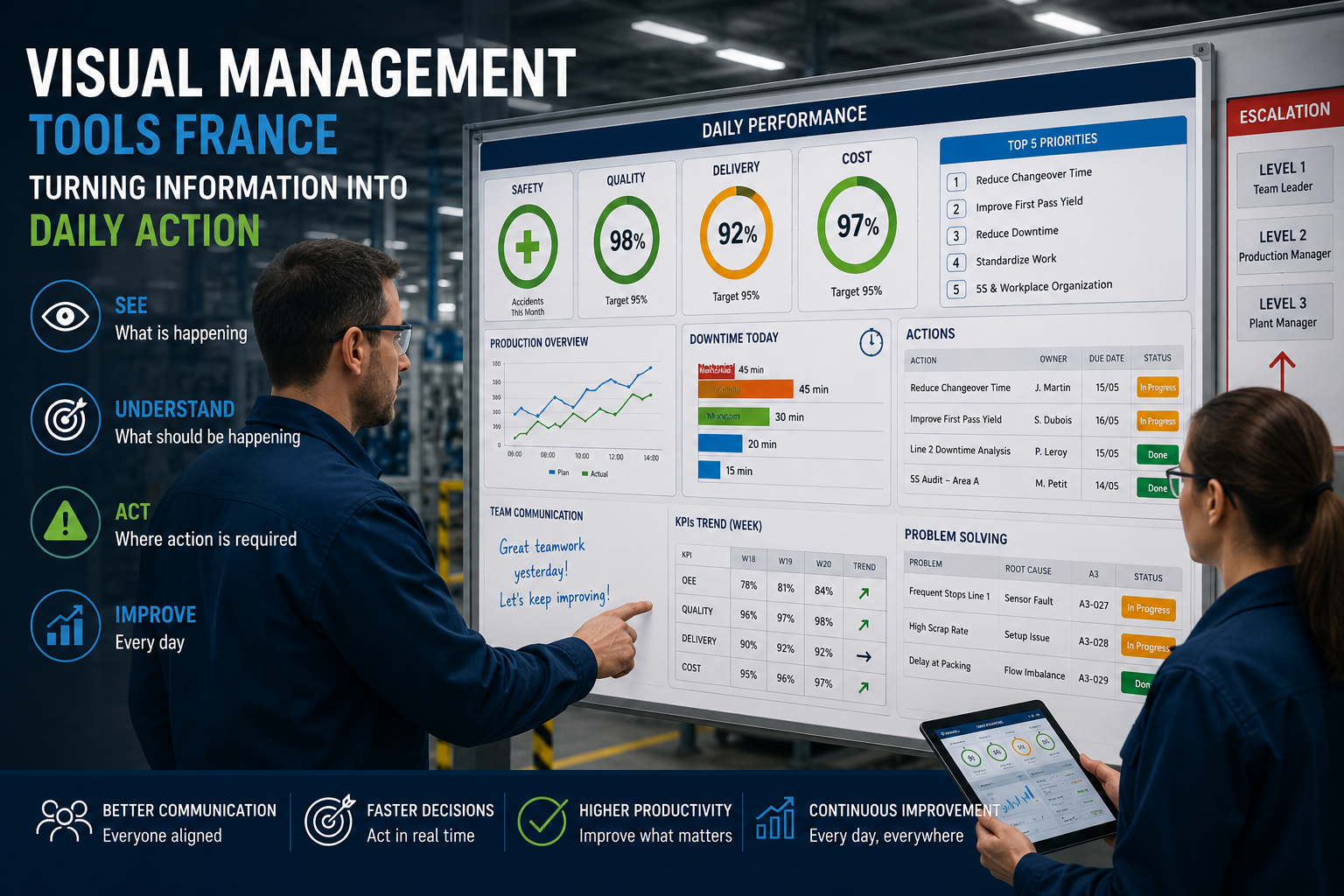
That is why competency matrices must become a living document – integrated into the daily management system (DMS) and supported by visual management tools that make competencies transparent, useful, and part of everyday decisions.
It is true that employees – and often their managers – prefer to remain in the comfort zone of routine. This is why competency management, multiskilling, and planned job rotation must be addressed in a systematic, professional, and methodical way. Here, digital tools for skills and competency management can play a decisive role.
How to implement multiskilling thoughtfully
To create real value, competency matrices must serve daily work – helping supervisors allocate people, HR plan training, and managers design career development paths.
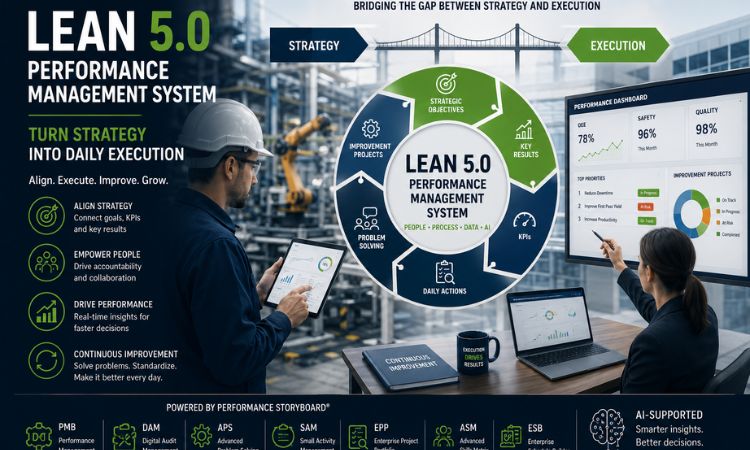
This is where the ASM (Advanced Skills Matrix) module of the PERFORMANCE STORYBOARD® platform adds significant value. ASM transforms a static matrix into an interactive tool, enabling real-time skills mapping, rotation planning, training progress tracking, and early identification of knowledge gaps.
When ASM is connected with shop floor management and other Lean 4.0 and 5.0 tools, people development becomes directly aligned with process optimization and the long-term vision of the smart factory.
Conclusion
Multiskilling delivers real impact only when accompanied by transparent competency mapping and well-structured development. This is precisely what ASM – Advanced Skills Matrix provides: a digital solution that connects people with processes and guides them toward continuous improvement.
If you want multiskilling in your organization to become a true driver of resilience, innovation, and growth, it’s time to move from static tables to dynamic skills management. We can show you how.